Fashion of Trisurus
Clothing in Trisurus is never just clothing. When anyone can have anything, what someone chooses to wear becomes the loudest form of self-expression available, and across eleven cultures and three worlds, those choices speak volumes.
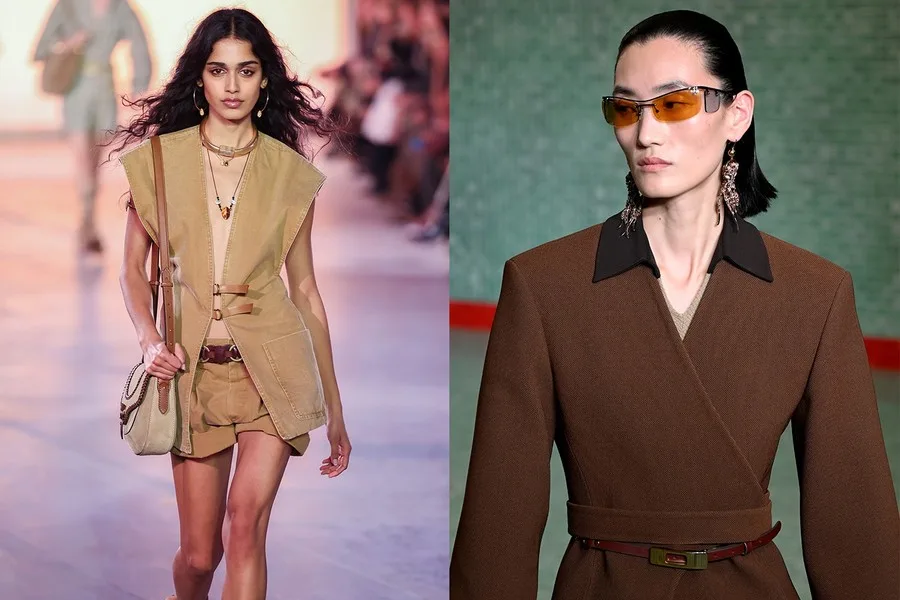
This guide covers the visual language of dress across the eleven major cultures of the Trisurus system. Where possible, real-world garment types are referenced to help visualize each style.
Arcis — The Understated Heirs
The Arcis dress the way old money dresses everywhere: so well that you might not notice until you look closely.
Silhouette: Clean, structured, vertical. East Asian minimalism crossed with Scandinavian restraint, refined over millennia until every seam is a statement of precision. Lines are long and unbroken. Nothing bunches, nothing drapes loosely, nothing calls attention through excess.
Key Pieces:
- Standing-collar tunic: the changshan reinvented in thermo-regulating smart-weave. Falls to mid-thigh. The signature Arcis garment. Worn by all genders in varying lengths.
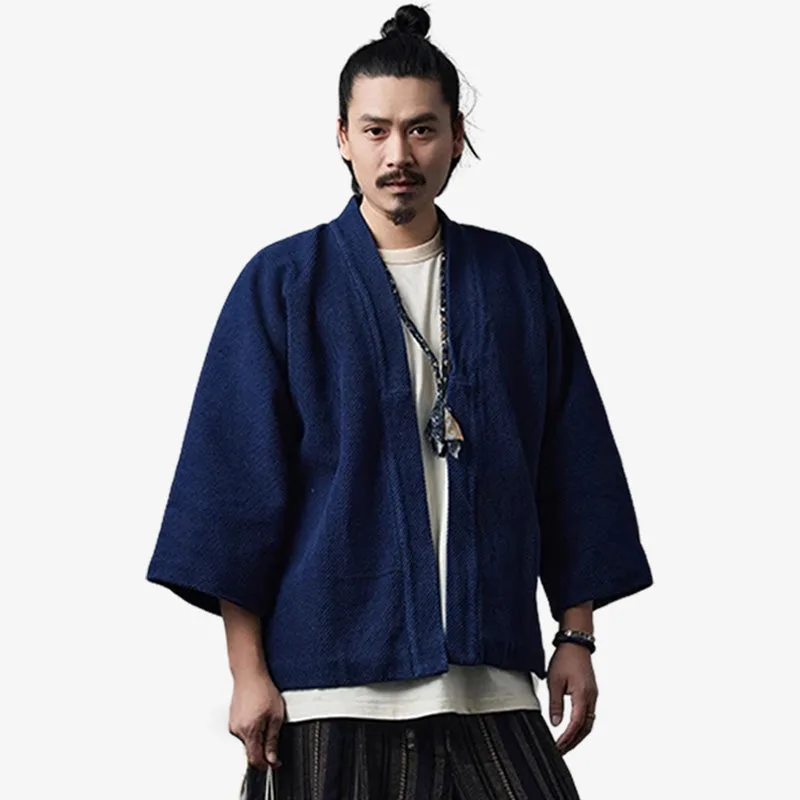
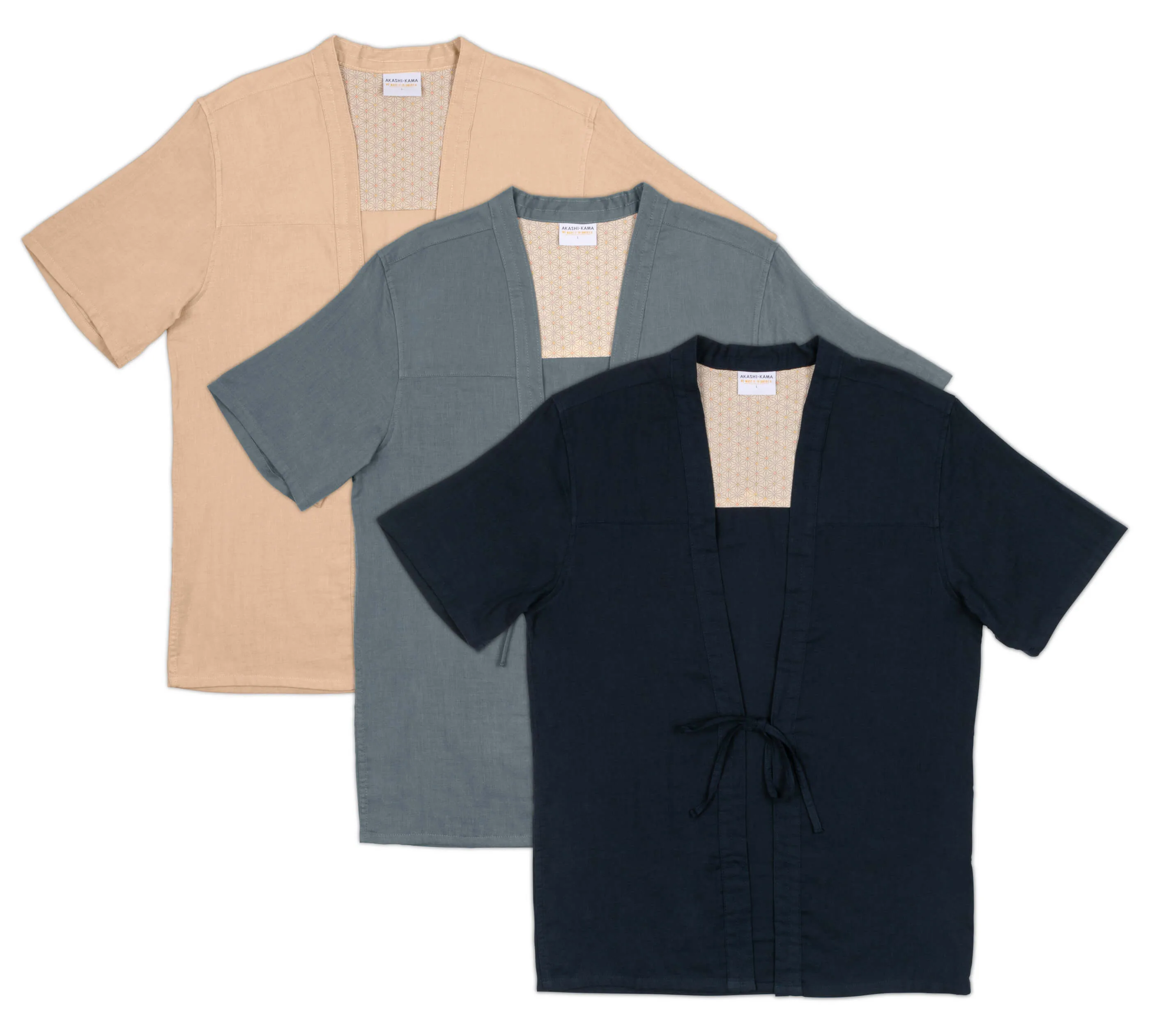
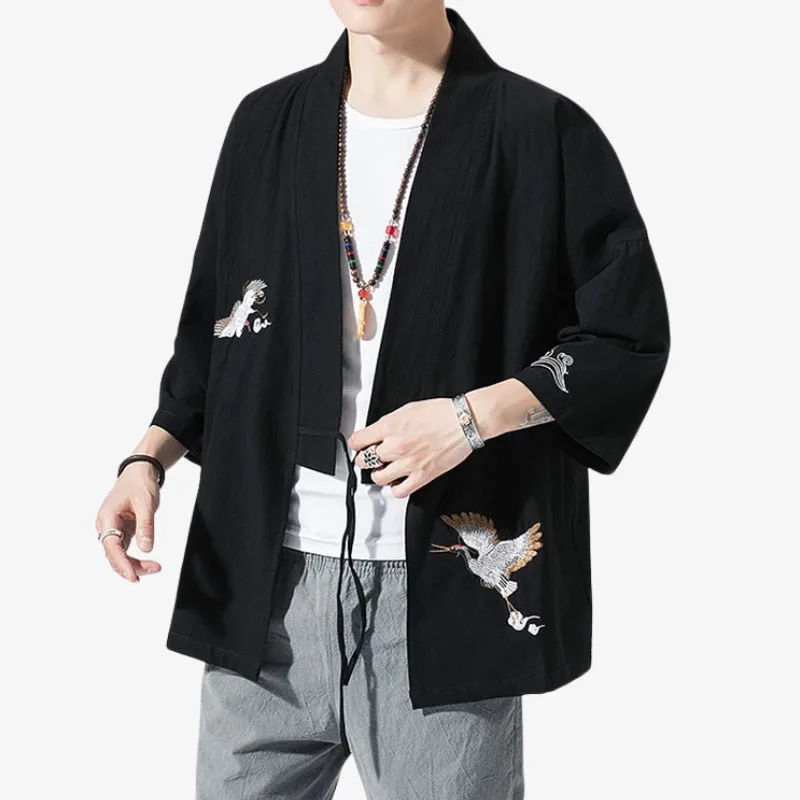
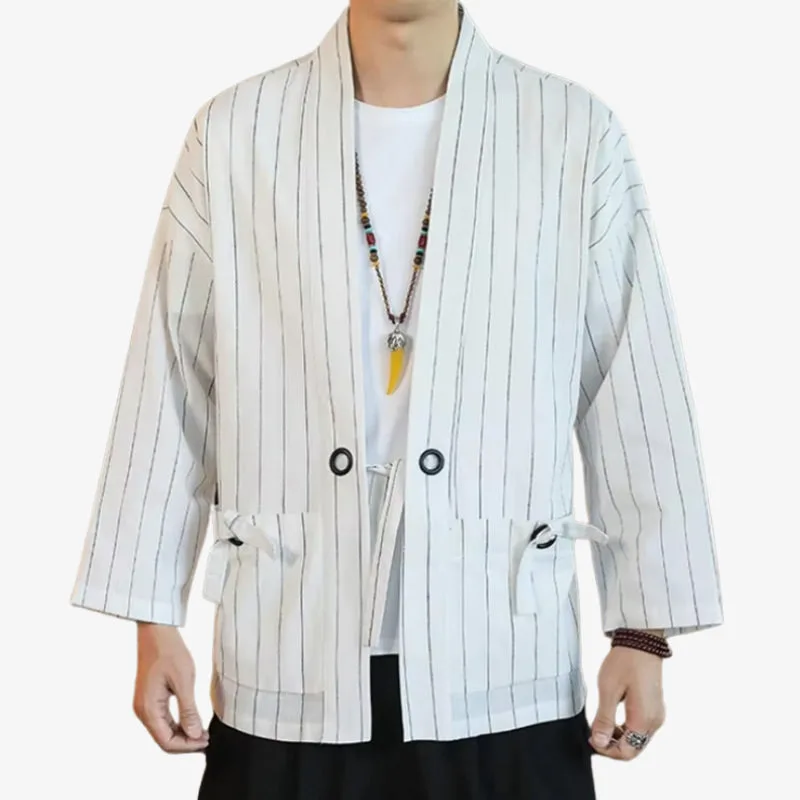
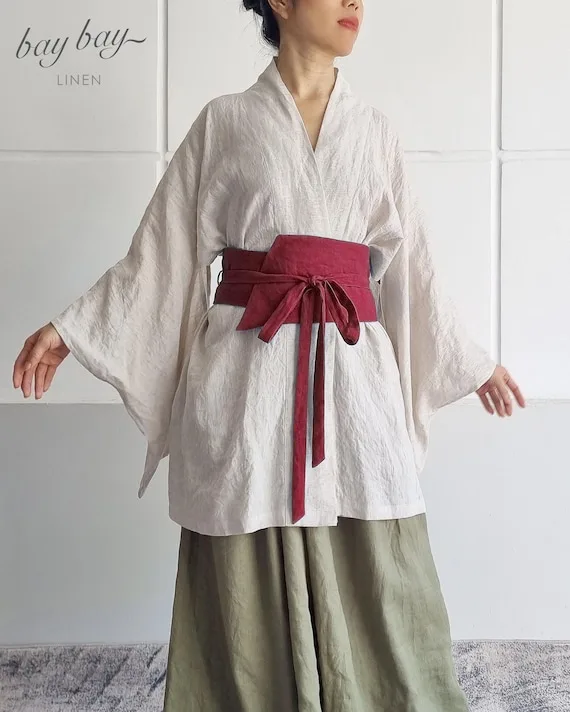
- Wrap jacket: descended from the Japanese haori but evolved into something distinctly Arcis, with clean drape, weighted hems, and micro-bonded seams invisible to the eye. Formal versions are floor-length. Some incorporate light-reactive threading that shifts subtly with ambient conditions.
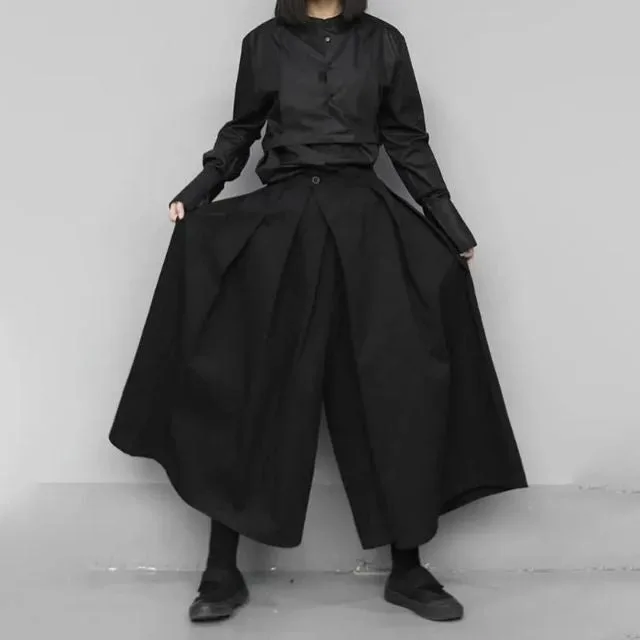
- Wide-leg trousers: the hakama silhouette survived two thousand years because it works. Pleated, flowing, but precise. Arcis formal trousers hold a crease that would last through reentry.
- Obi-style sash: a structured waist wrap in a contrasting color, the one area where personal expression is expected. Often handwoven from heritage fibers despite the ease of machine replication.
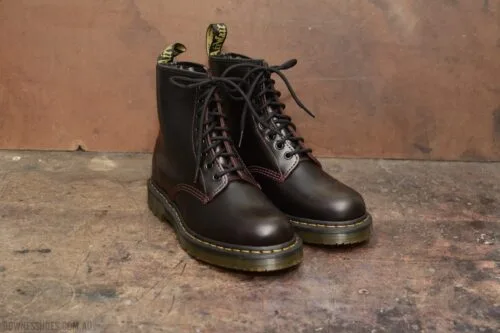
- Low-profile boots: seamless construction, temperature-adaptive soles. Always immaculate.
Materials & Color: Heritage fabrics woven from fibers cultivated in Memorial Forests groves. A machine can replicate the molecular structure but not the provenance, and the Arcis know the difference. The wealthiest wear shielding-grade composites tailored to look indistinguishable from natural cloth: protection without ostentation. Colors are muted earth tones: forest green, slate gray, twilight blue, deep umber. Ornamentation is minimal and coded: a grove-affiliation pin on the collar, a thread pattern in the sash encoding family lineage, a clasp handed down through generations.
Noeri — The Marked Minds
Noeri fashion is functional, sharp, and quietly coded. It communicates discipline, rank, and intellectual tribe to anyone who knows how to read it — and ignores everyone else.
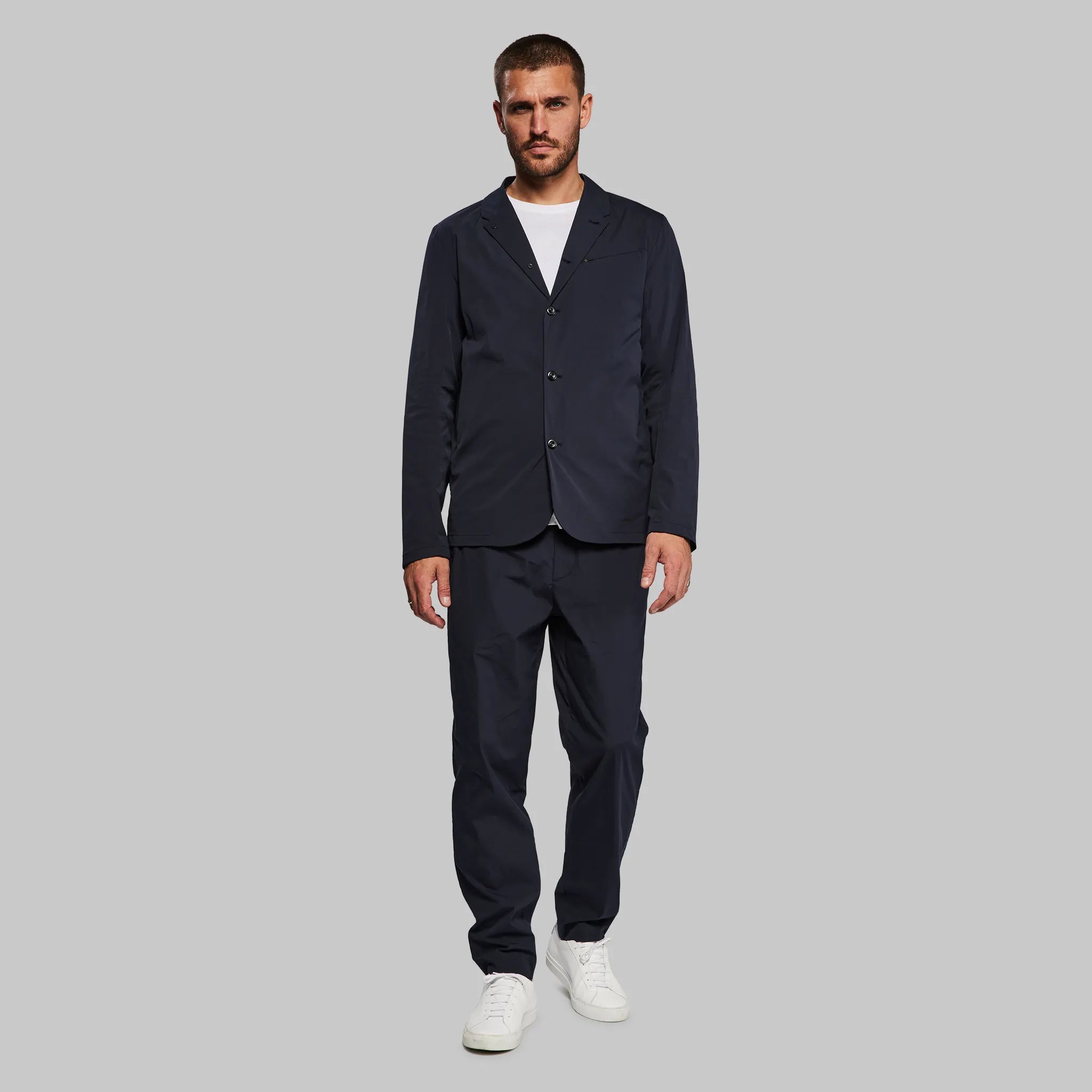
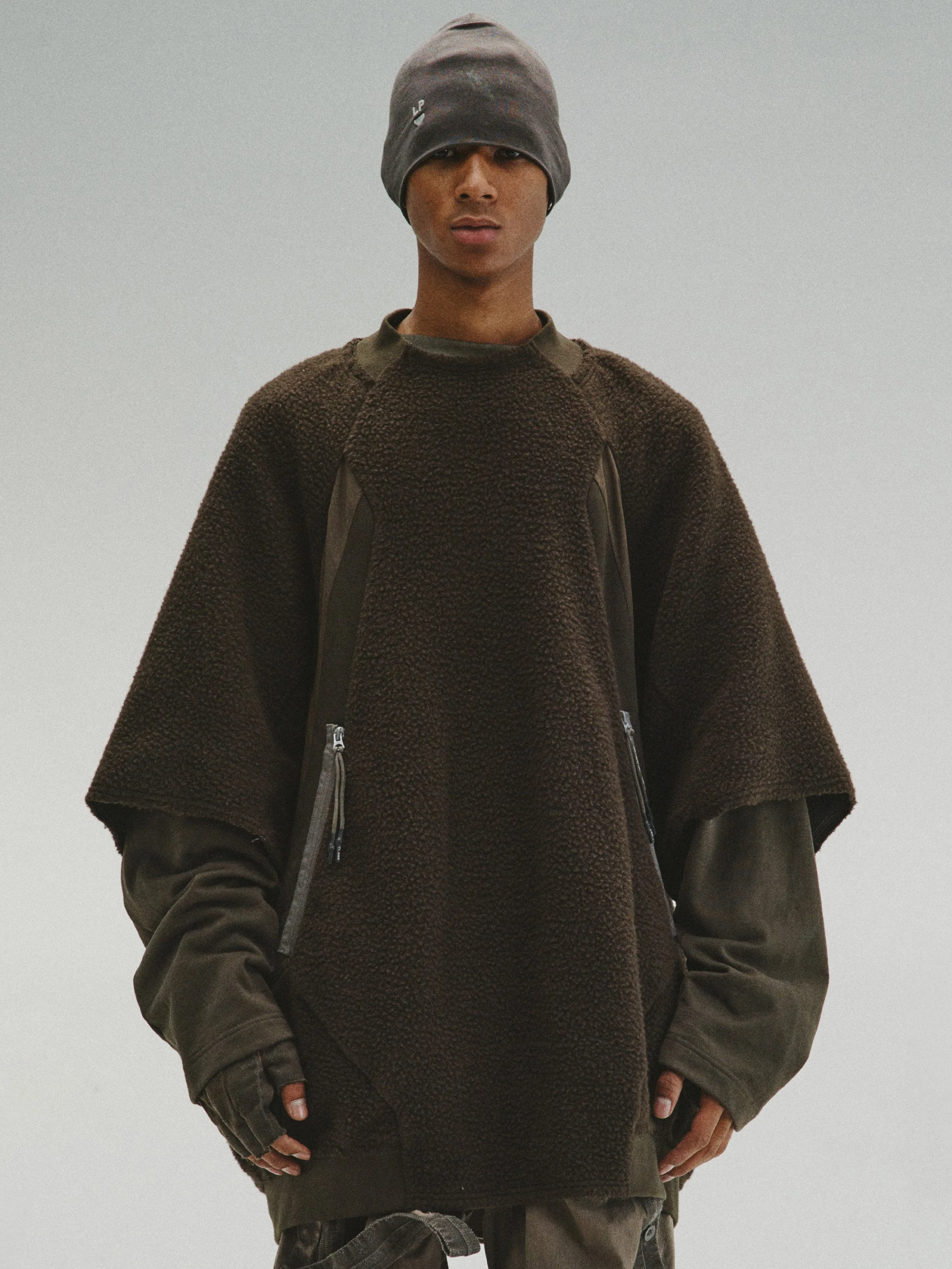
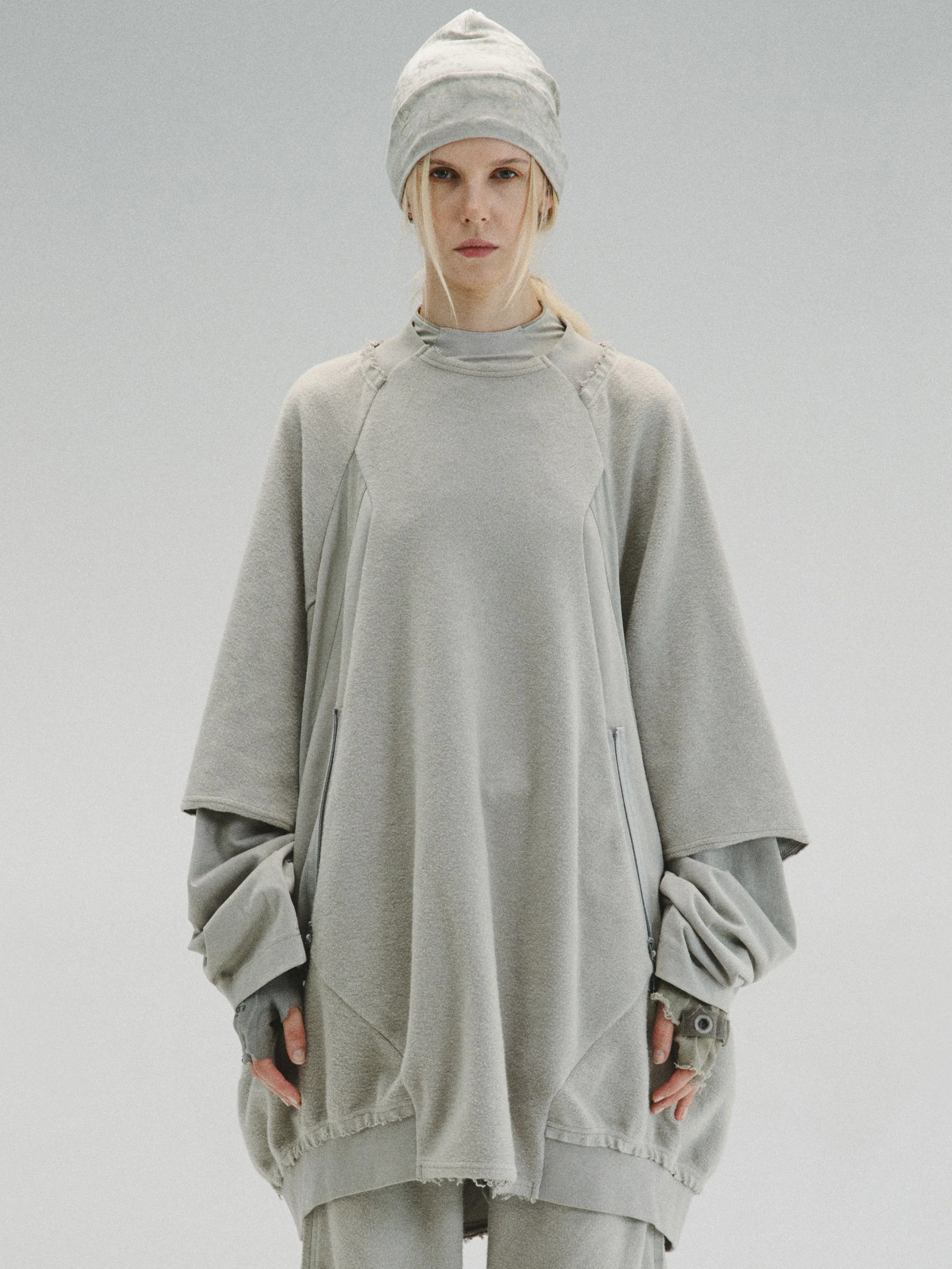
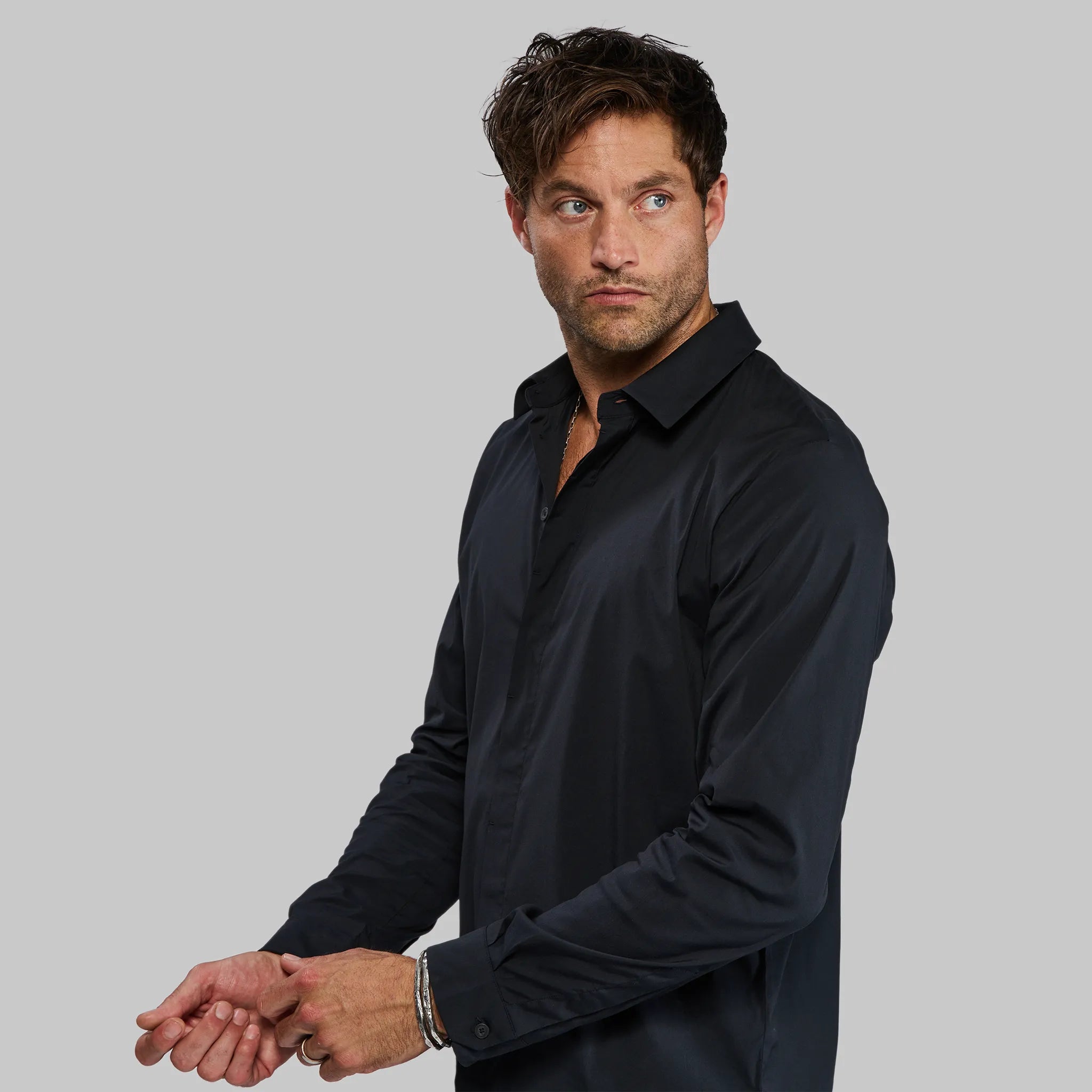
Silhouette: Structured and close-fitting. Tailored but not flashy. The overall impression is "someone who dresses quickly and precisely because they have more important things to think about."
Key Pieces:
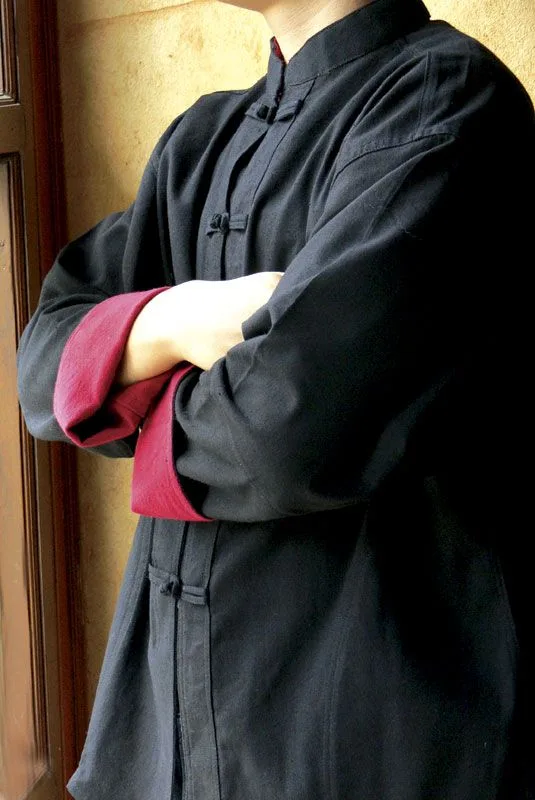
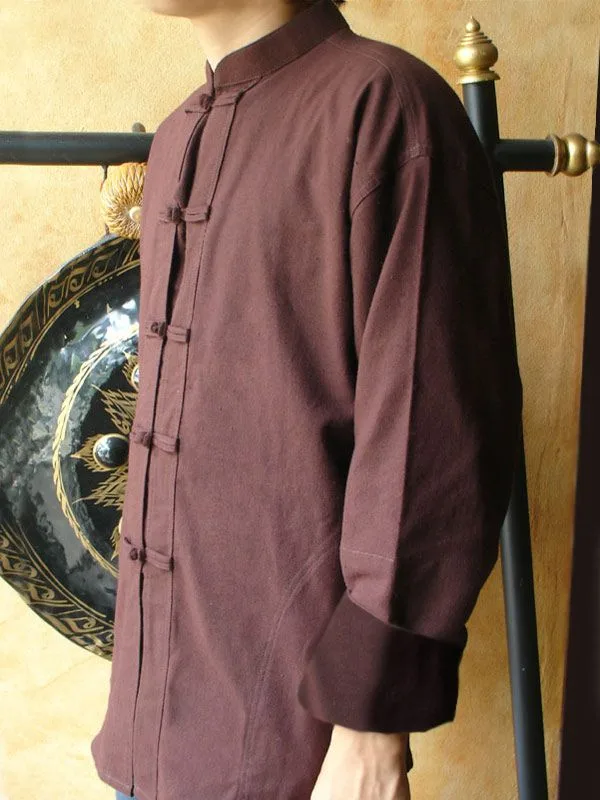
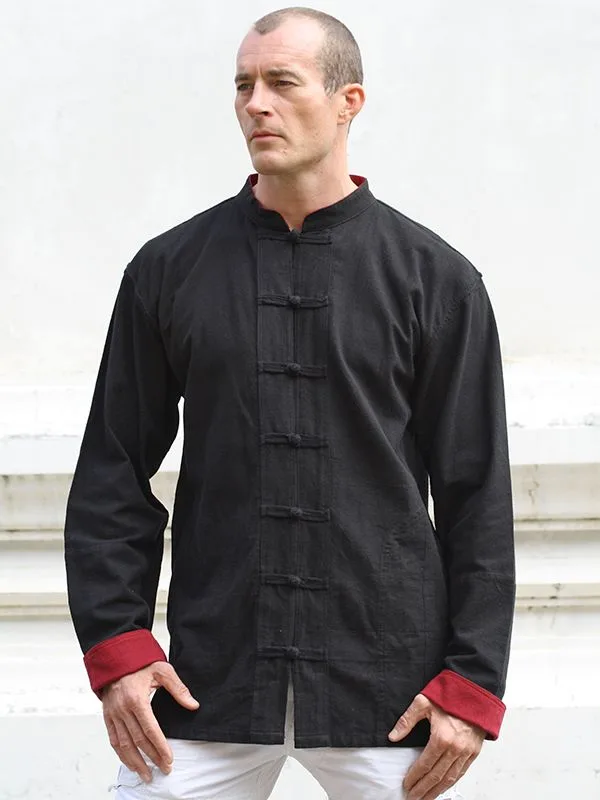
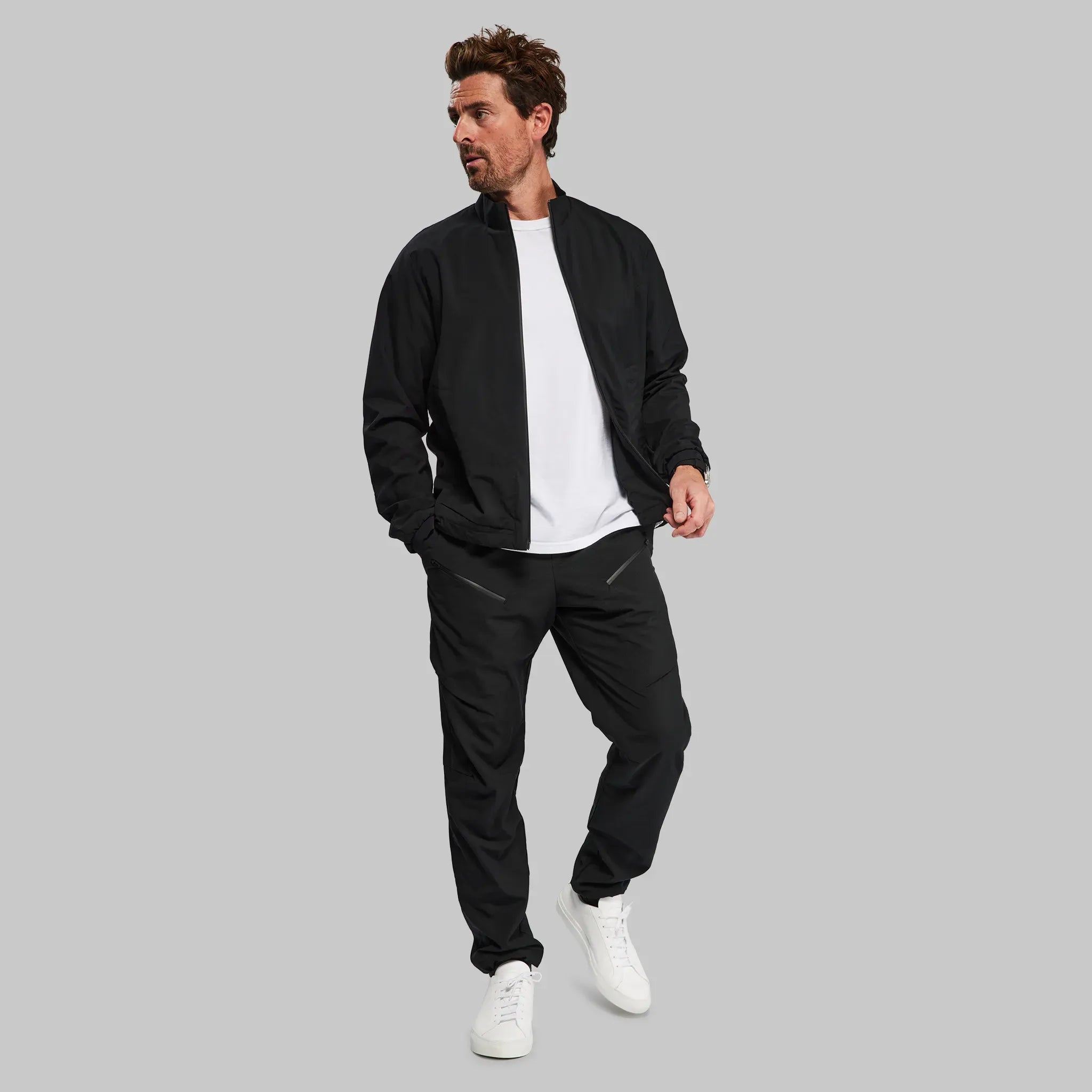
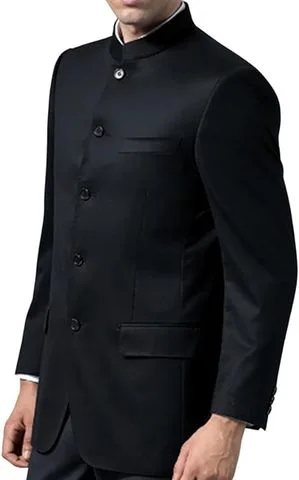
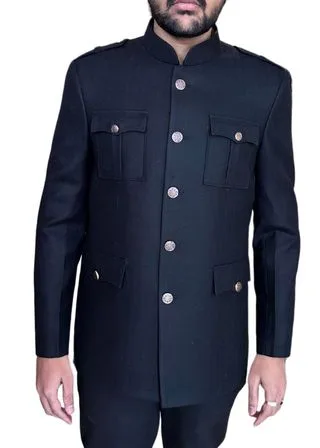
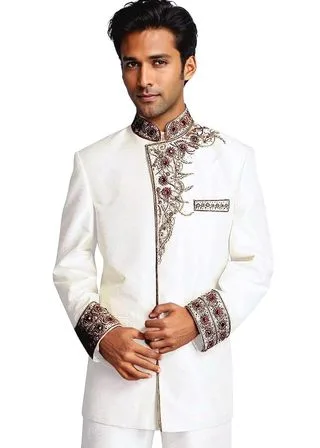
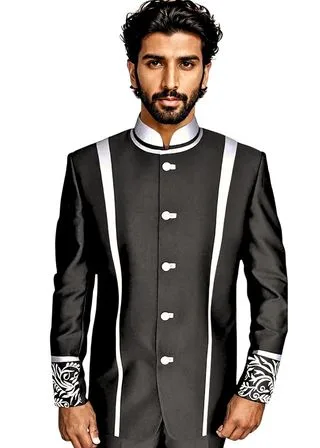
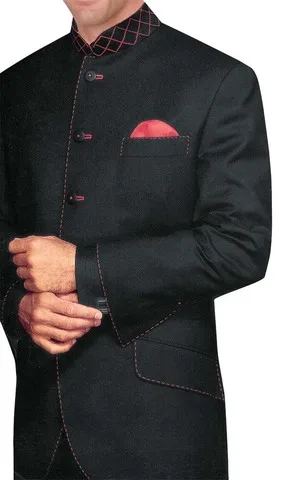
- Band-collar jacket: the Nehru jacket perfected over centuries. Clean-fronted, standing collar, cut slightly longer than hip-length. Modern versions use graphene-bonded composites that regulate temperature and repel particulate contamination, the kind of fabric you can walk through a plasma lab in without picking up a charge. The primary outer layer.
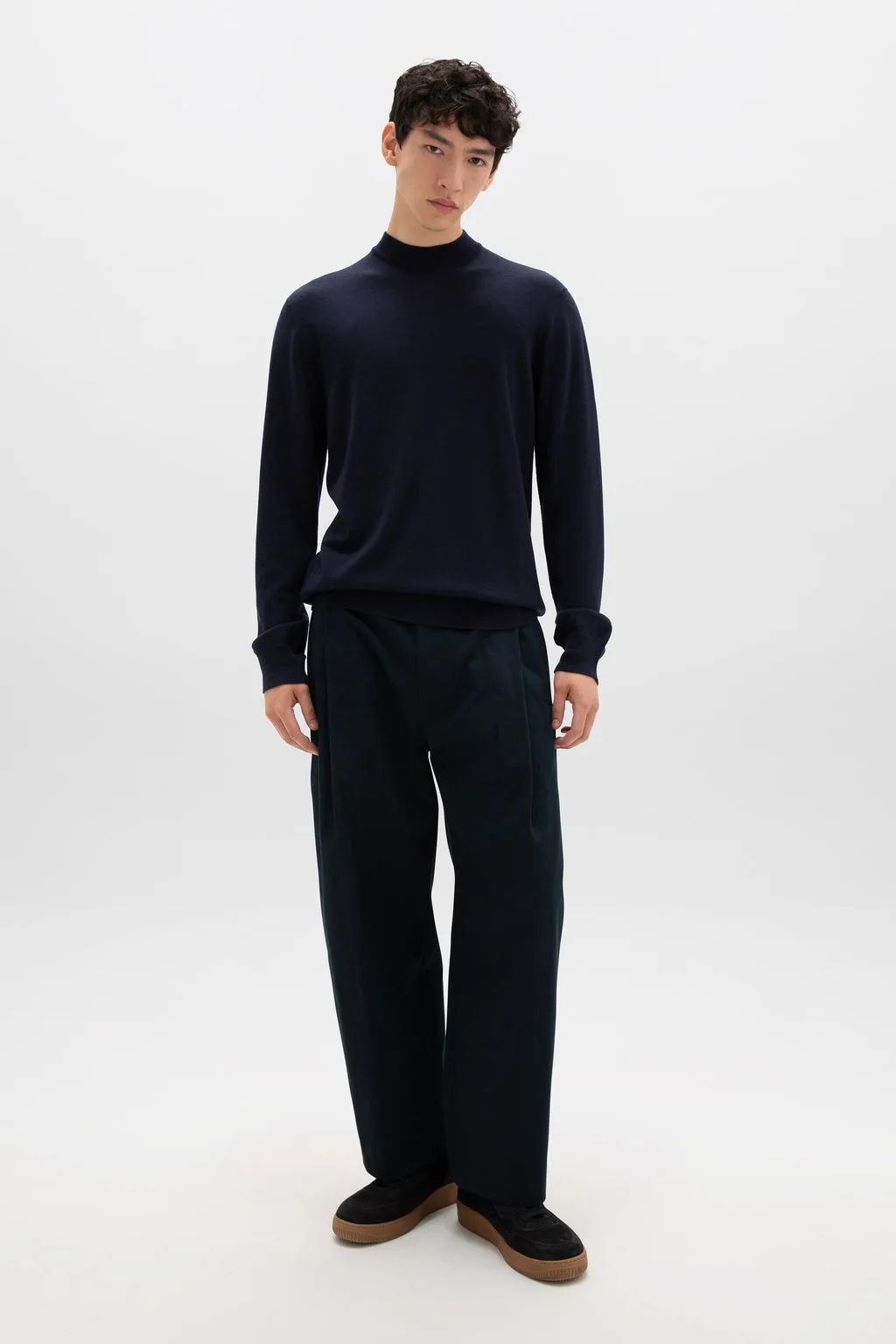
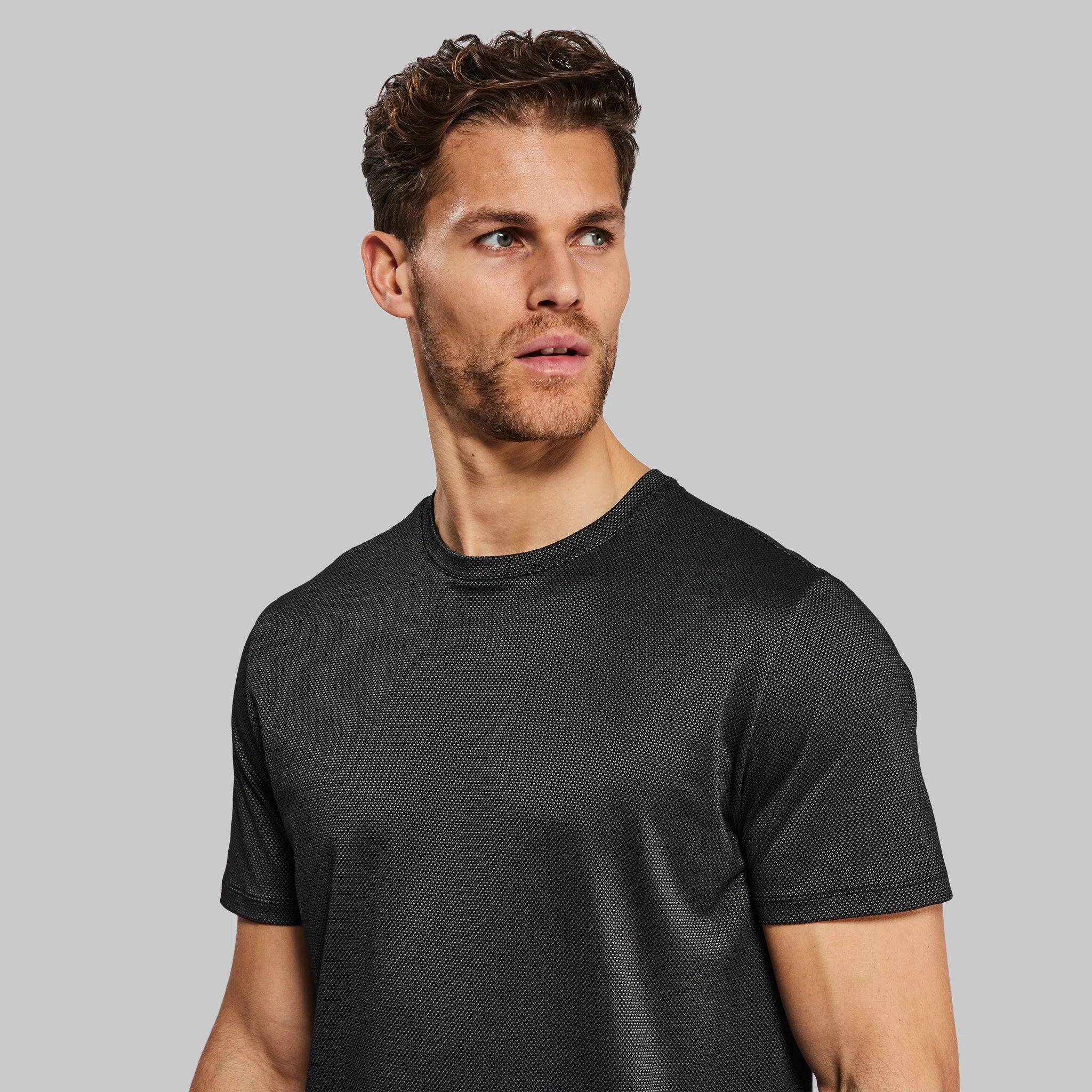
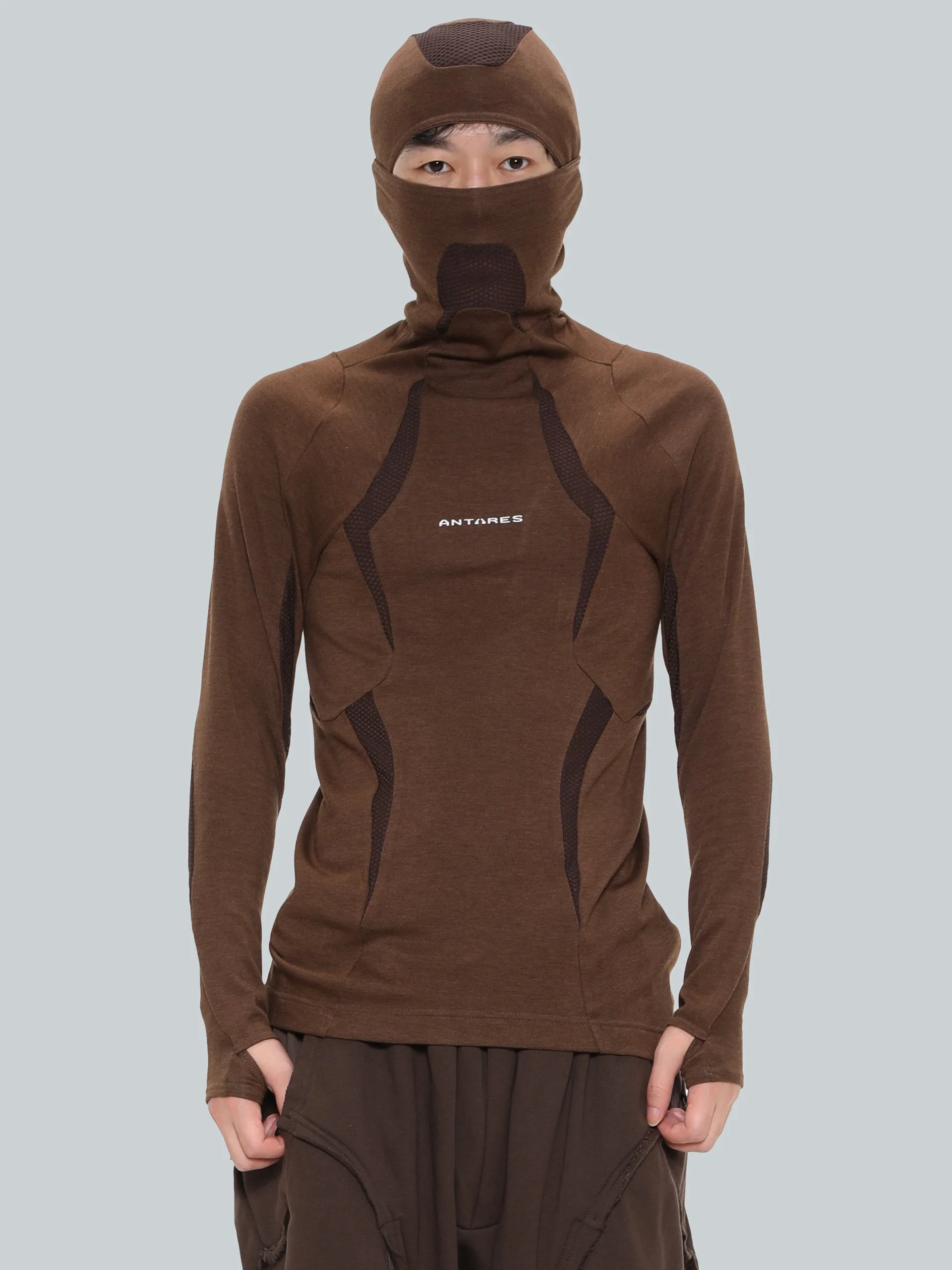
- Mock-neck undershirt: a fitted mock neck in a discipline-coded color. Temporal Theory wears deep indigo. Sphere Dynamics wears burnt amber. Planar Mechanics wears silver-gray. These colors are the most visible cultural signal a Noeri carries. The fabric is engineered to wick, regulate, and resist staining, because researchers forget to eat, not to work.
- Slim trousers: no ornamentation, no excess fabric. Pockets are functional and positioned for tool access without looking down.
- Soft-soled shoes: quiet on the University's crystal floors. Minimalist ankle boots with adaptive-grip soles.
- Pins and markers: small enamel pins on the jacket collar indicate research group, publication credits, and academic rank. A senior researcher's collar tells their career at a glance.
Materials & Color: Technical fabrics in dark neutrals: black, charcoal, navy. The Noeri pioneered the use of graphene-weave textiles for everyday clothing; what started as lab-safe practicality became an aesthetic. The discipline-color undershirt is the only deliberate pop of color. The overall palette reads as "lab-ready at all times."
Cintari — The Ring-Worn
Cintari clothing is built for a world where gravity fails, atmospheres leak, and looking good is secondary to surviving the next shift. That it manages to look good anyway is a point of stubborn pride.
Silhouette: Fitted and streamlined. Nothing loose, nothing flowing, nothing that could catch in machinery or float into sightlines during low-gravity work. Every item is rated for quick compatibility with emergency pressure gear.
Key Pieces:
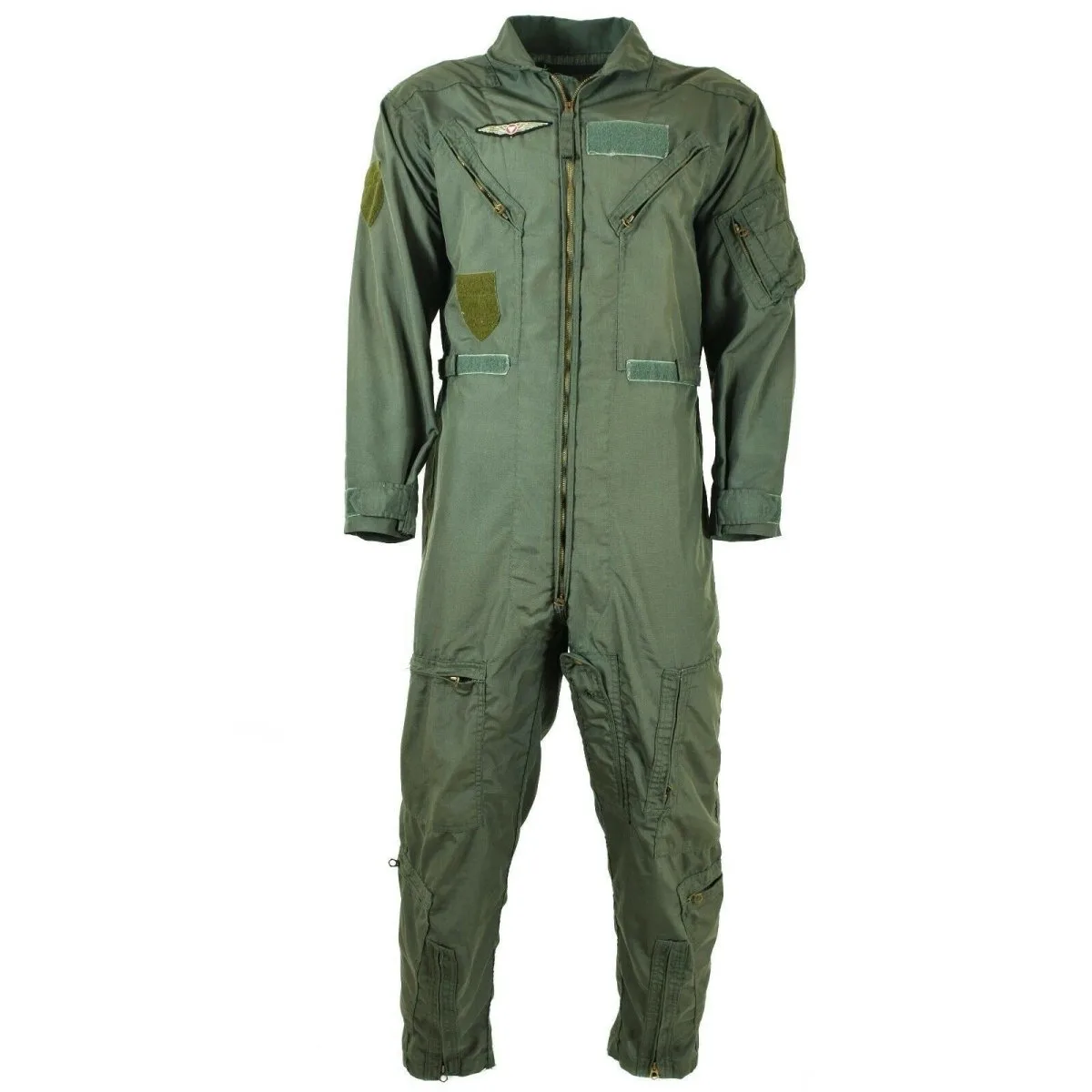
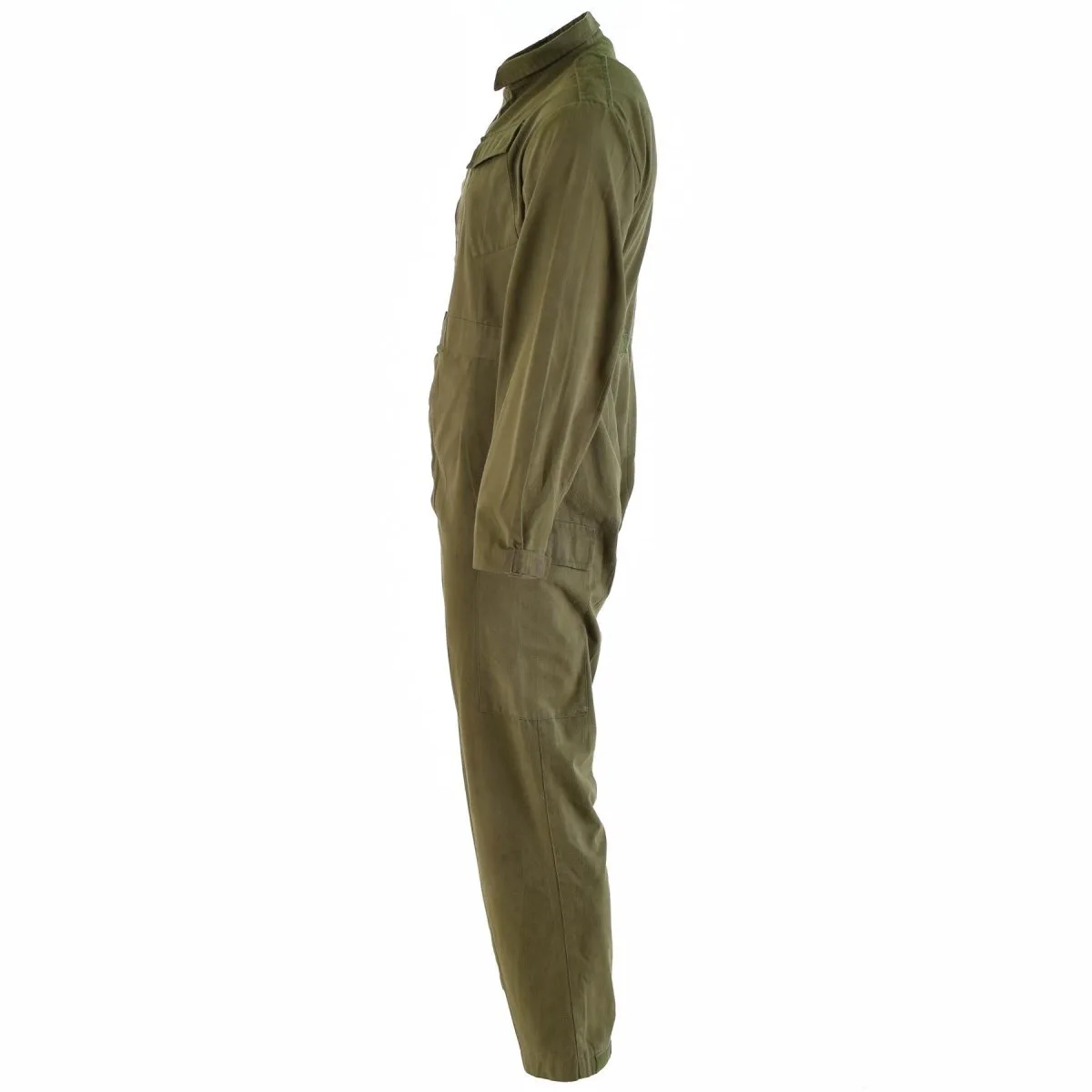
- Flight jumpsuit: the universal base layer. Pressure-rated coveralls in station-standard colors, sealed front, reinforced at joints with impact-dispersing panels. The design descends from ancient flight suits but has been re-engineered for vacuum compatibility; every Cintari jumpsuit can seal to emergency pressure gear in under four seconds. Personal modifications (rolled sleeves, custom stitching, patched elbows) distinguish veterans from newcomers.
- Magnetic boots: worn everywhere, even in full-gravity sections. Cintari check their mag-boots the way surface people check their pockets for keys. The boots are chunky, industrial, and unmistakable.
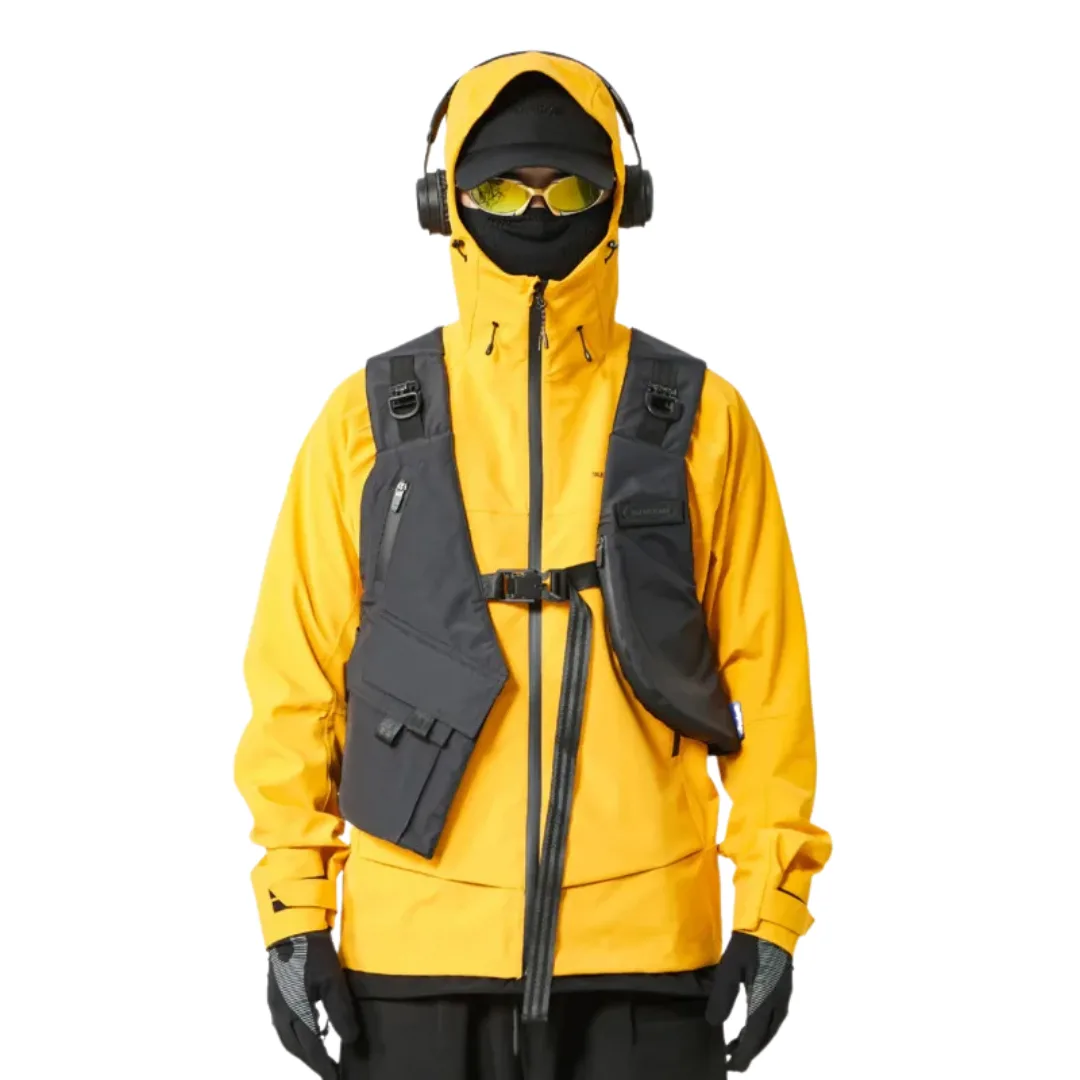
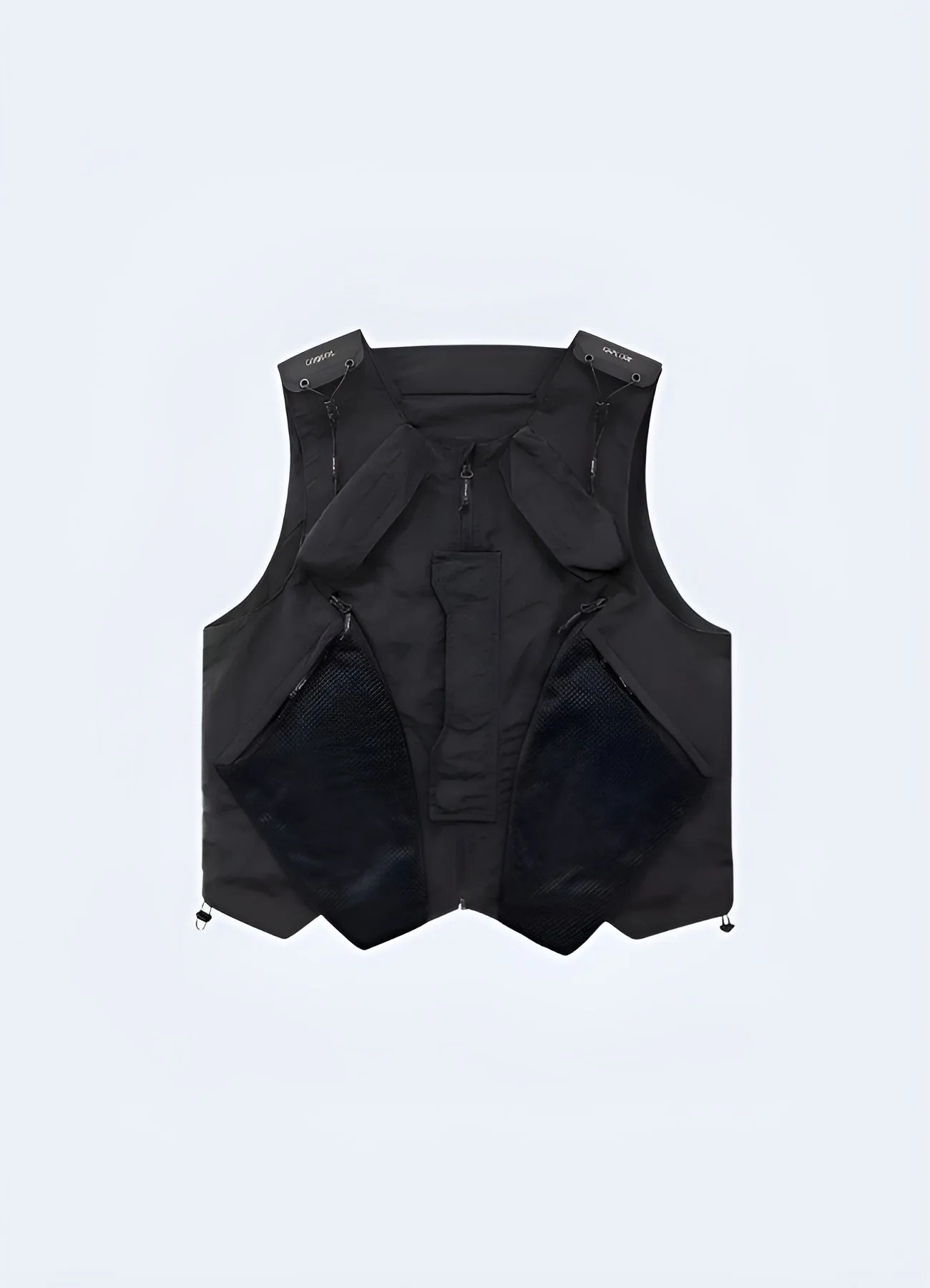
- Utility vest: worn over the jumpsuit, loaded with modular pockets and rigging loops. Think tactical vest evolved into a personal loadout system, where each pocket placement and strap configuration tells other Cintari what you carry and why. Station of origin is patched on the back.
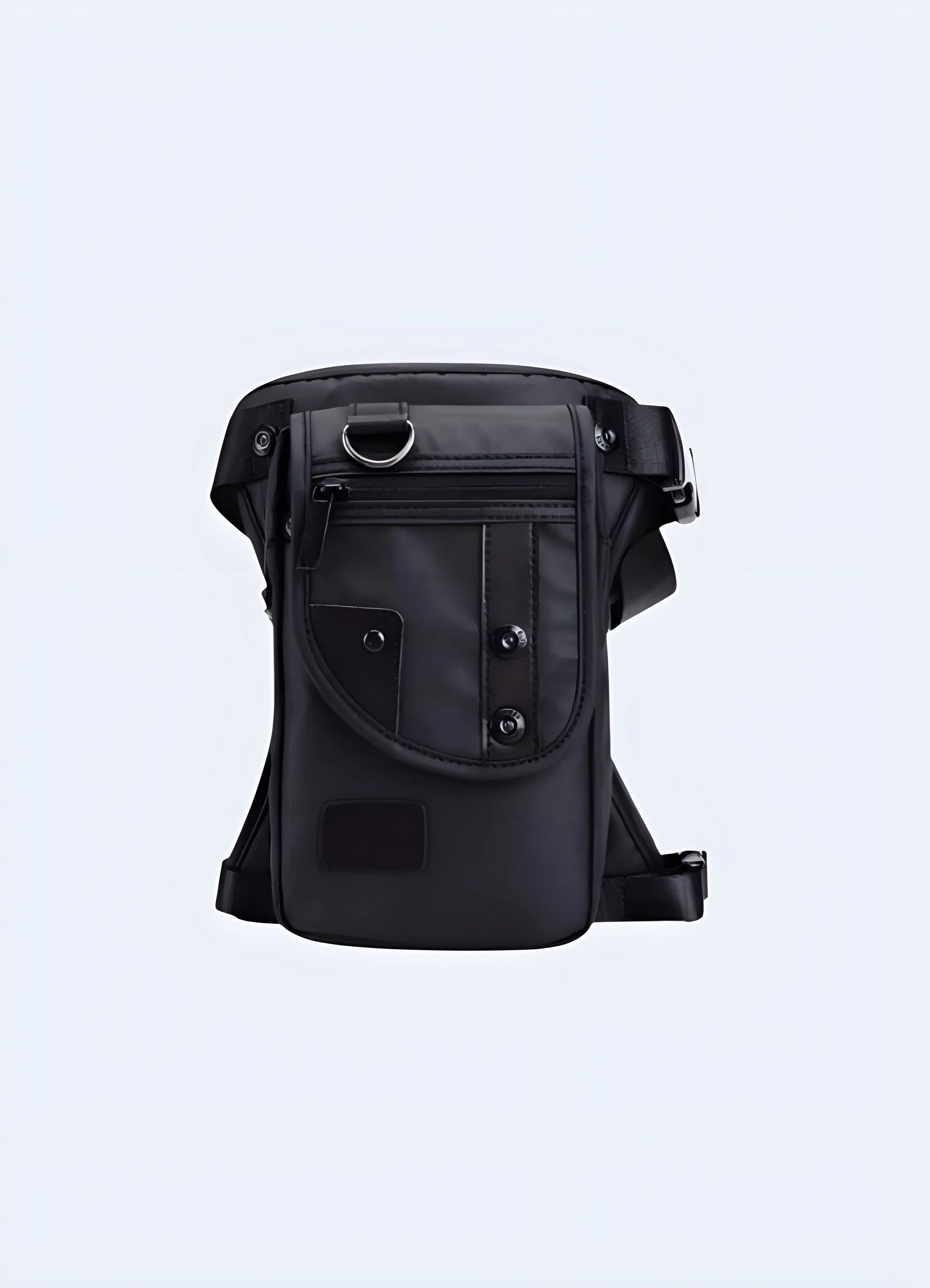
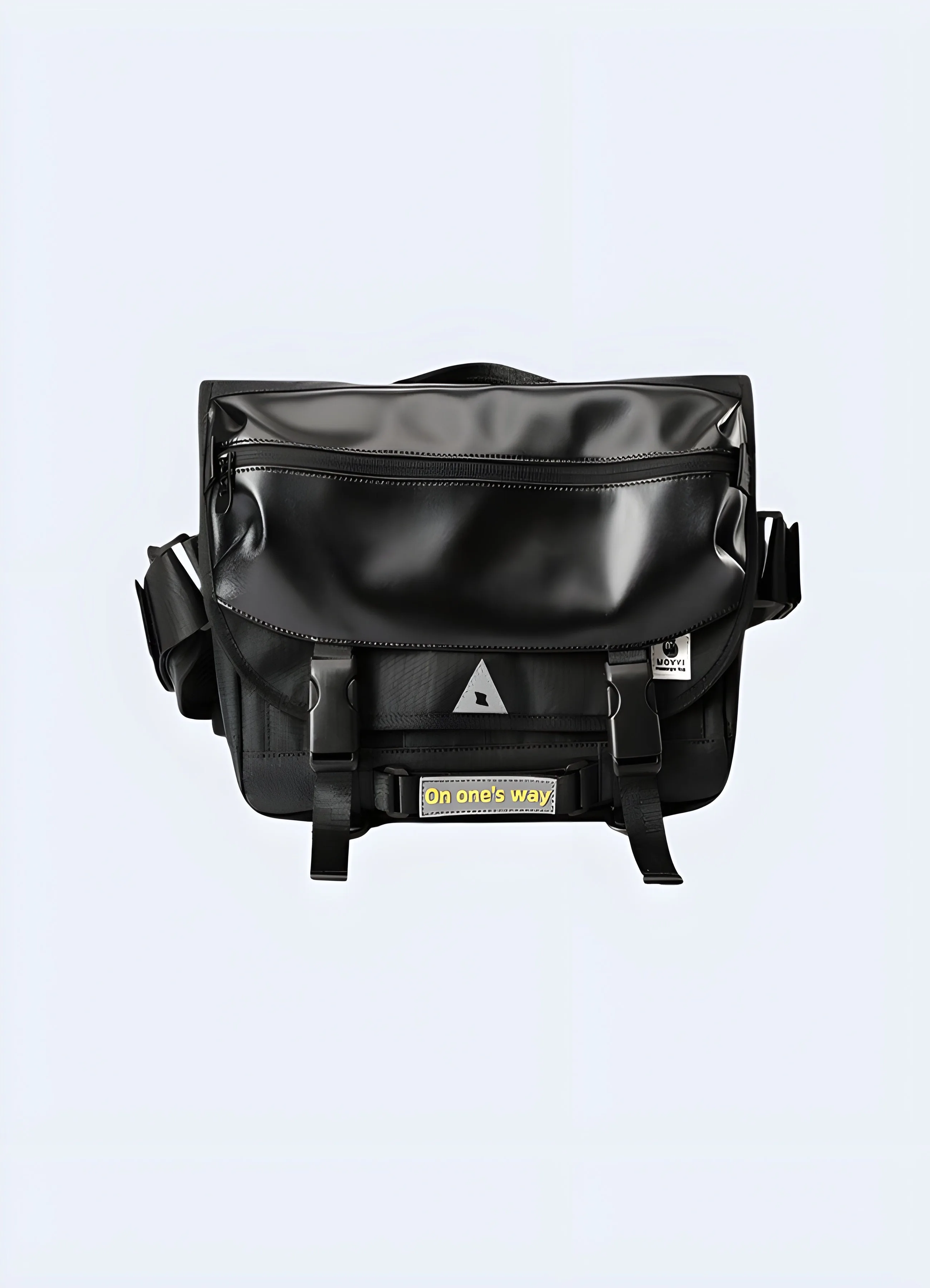
- Leg holsters and sling bags: tool storage has migrated off the waist and onto thigh-mounted rigs and cross-body sling packs. Arrangement, condition, and custom modifications communicate specialization and seniority. A veteran hull-walker's rig tells their entire career at a glance.
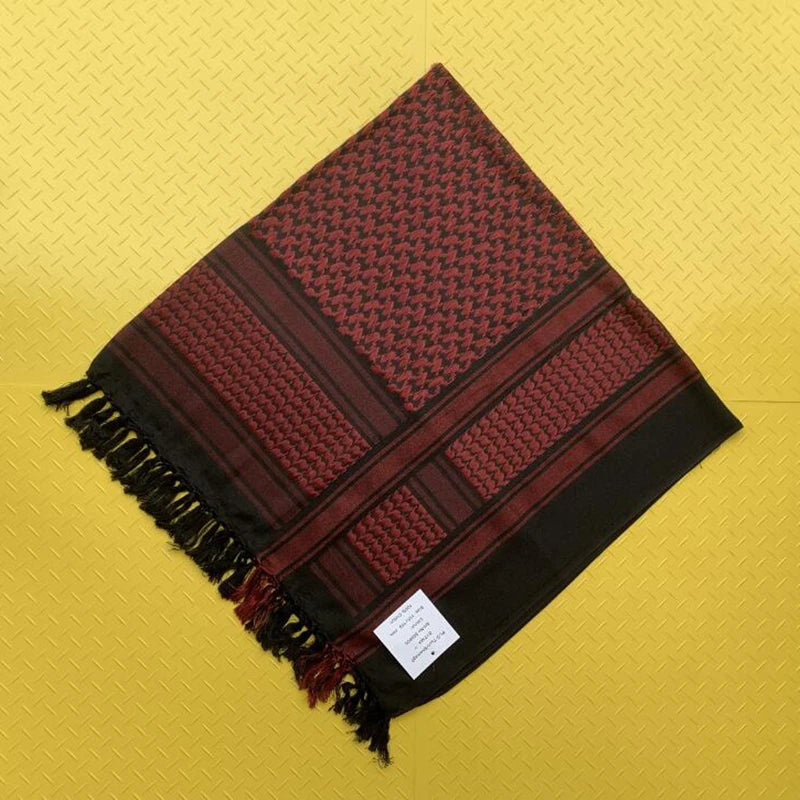
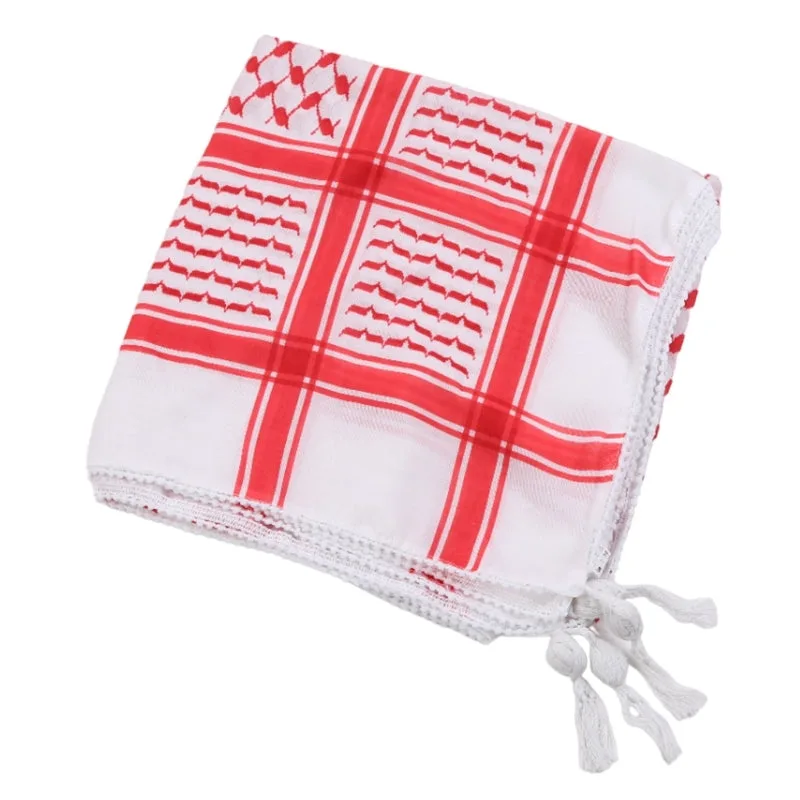
- Bright scarves or wraps: shemagh-style or simple knit scarves in vivid colors, the primary vehicle for personal expression. Corridors get cold. Climate control is uneven. The scarf is practical, beautiful, and the one item where a Cintari gets to be loud.
Hair & Grooming: Short or tightly secured. Always. Loose hair in zero-g is a safety hazard and dressing like a hazard is dressing like someone who doesn't belong.
Materials & Color: Station-issue synthetics in utilitarian tones (gray, navy, muted orange) with the scarves and personal patches providing bursts of individual color. Everything is washable, vacuum-rated, and modular; Cintari clothing is designed to be reconfigured, not replaced.
Velanth — The Layered City
Velanth fashion is the most visually striking in the system — loud, eclectic, deliberately hybridized, and worn like a manifesto.
Silhouette: Layered. Always layered. Partly practical, since Luminar's floating architecture means crossing altitude zones with different microclimates multiple times a day, but mostly symbolic. Every layer is a choice, a reference, a cultural signal.
Key Pieces:
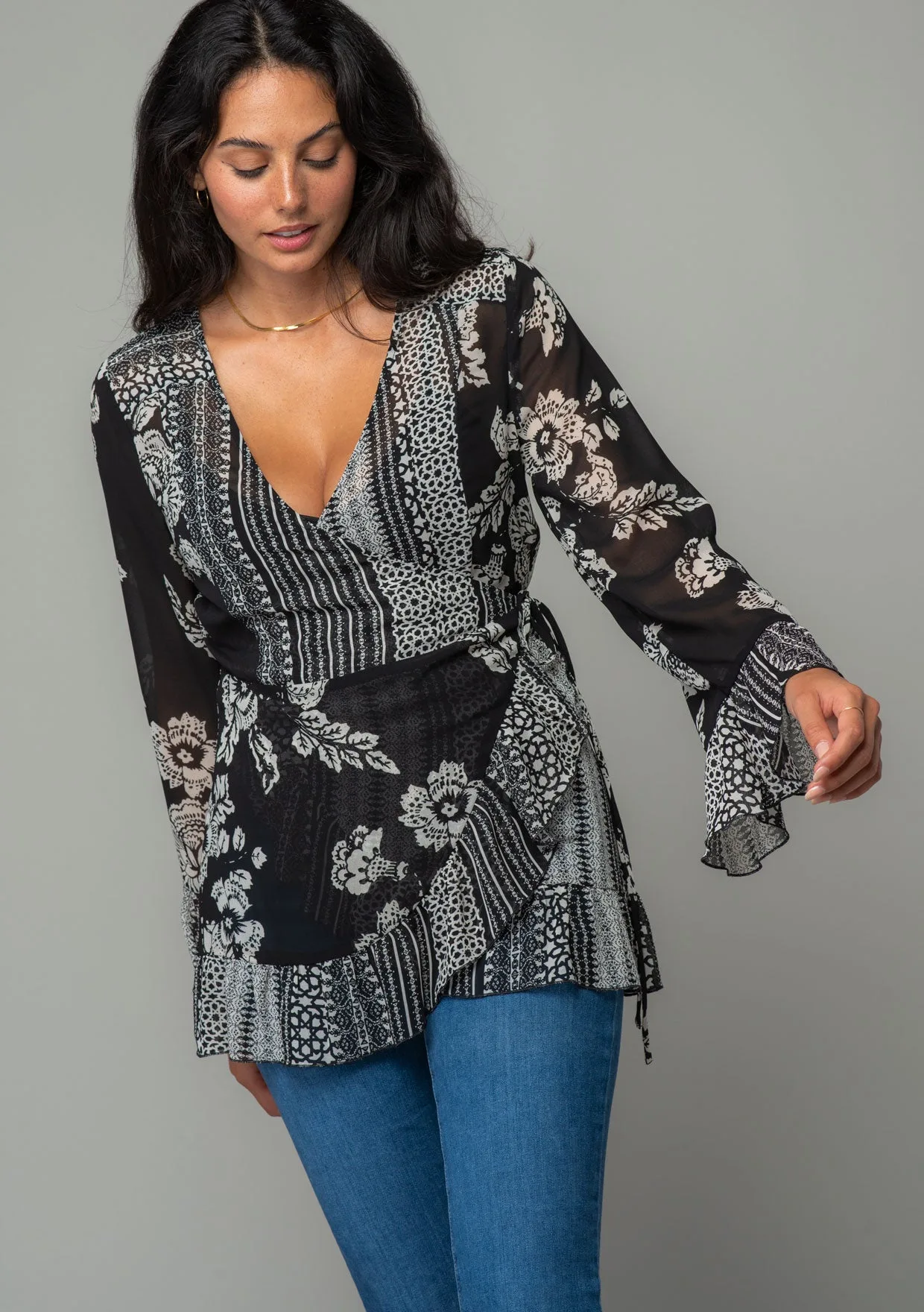
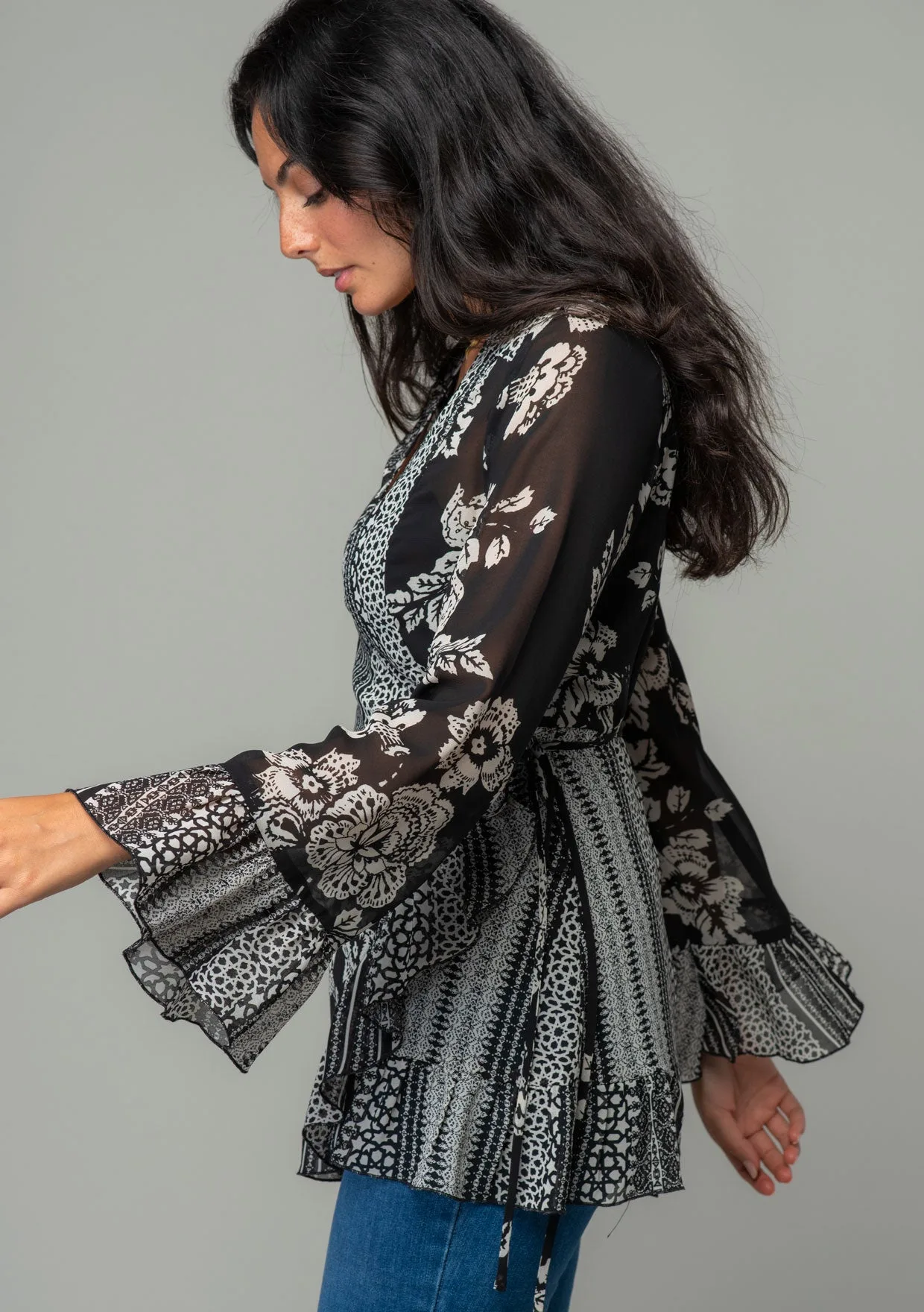
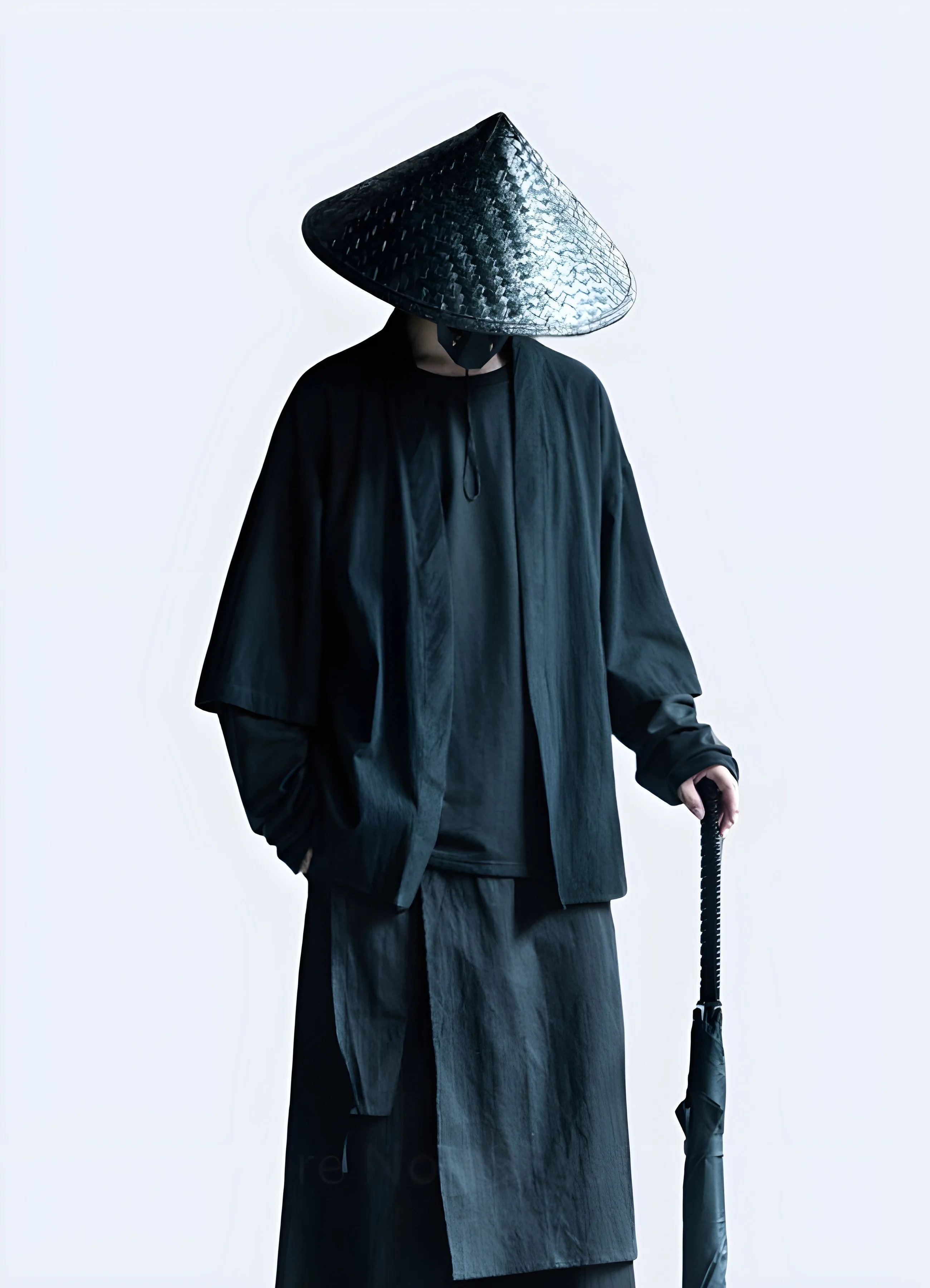
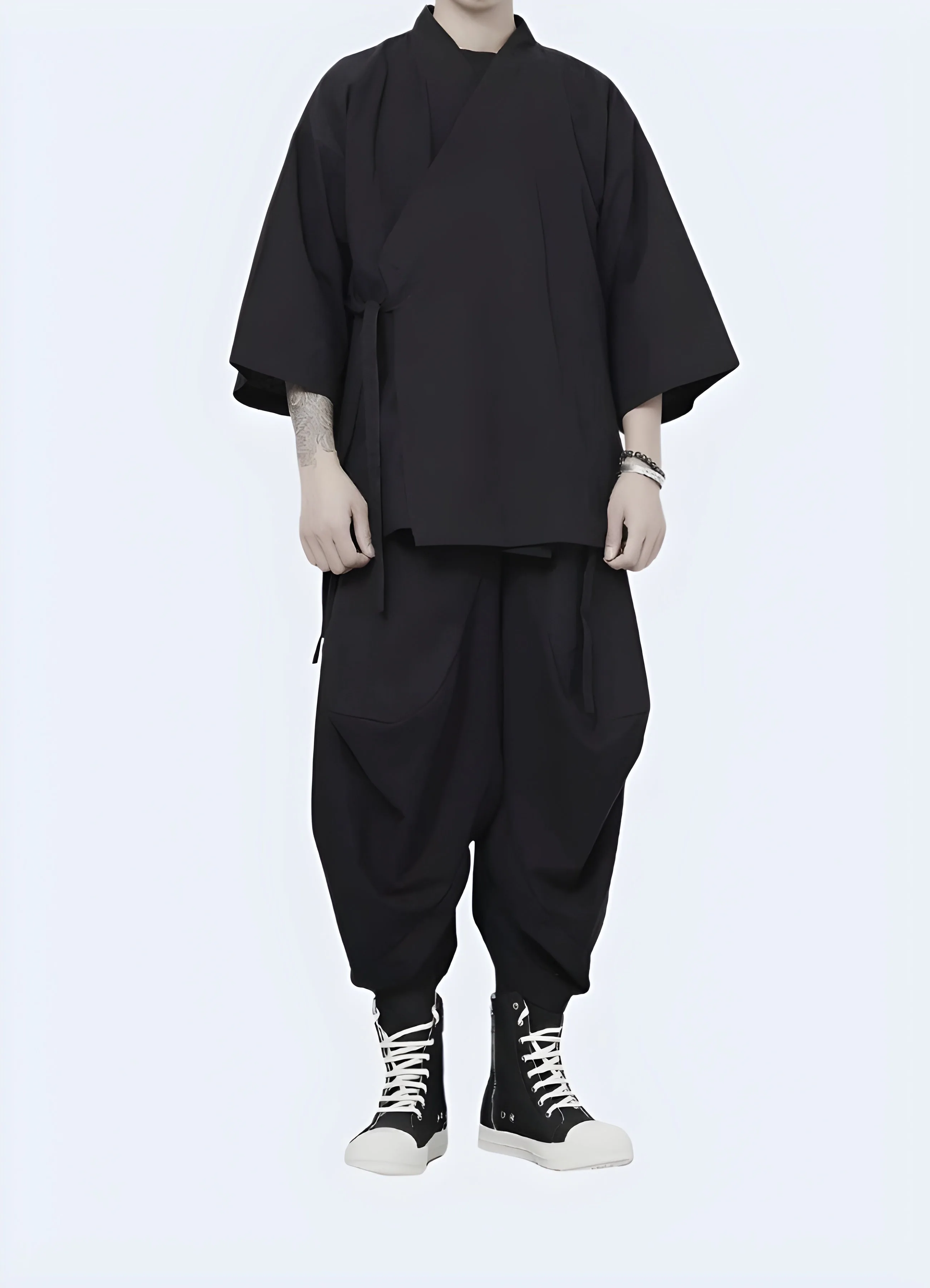
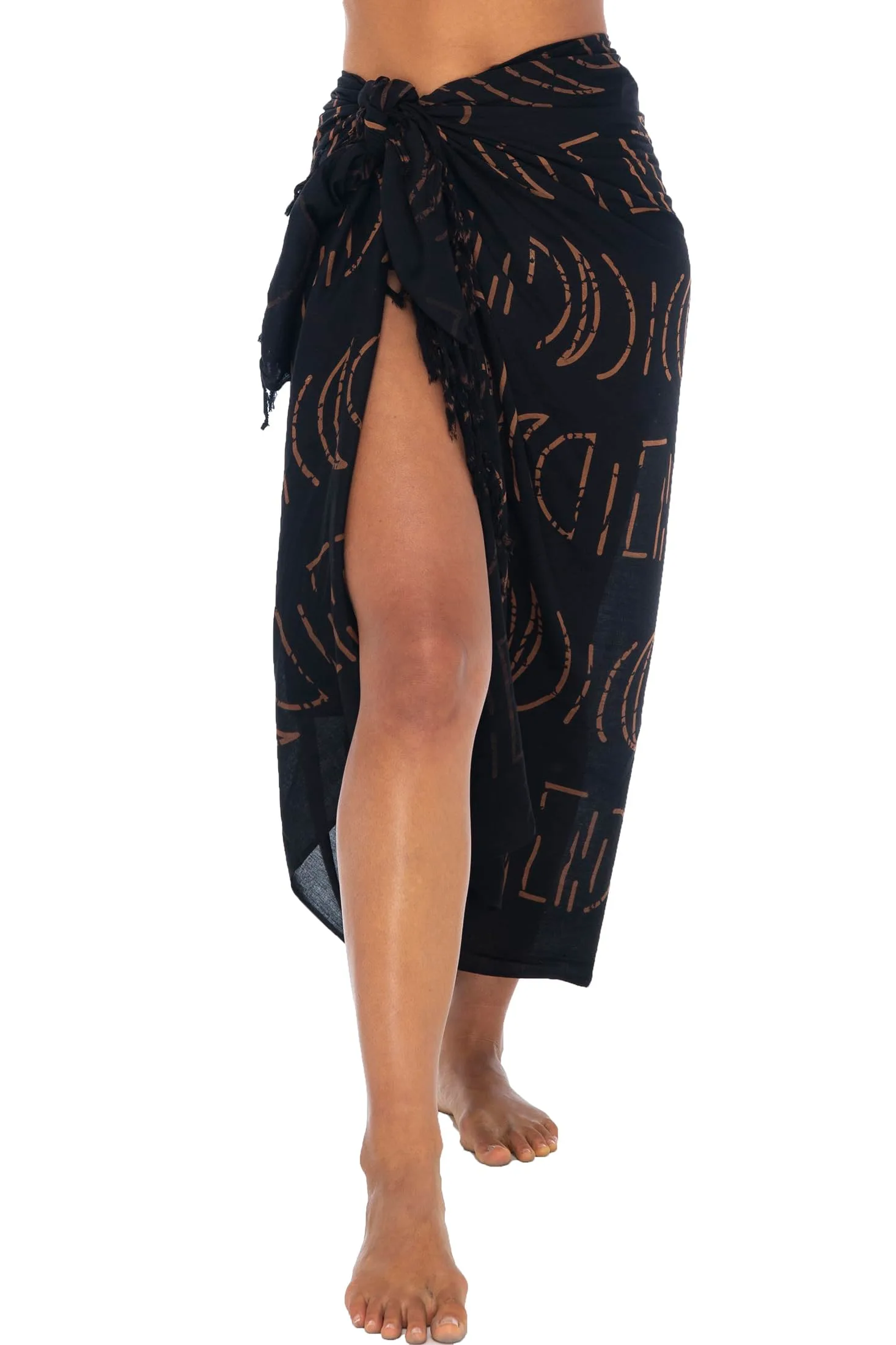
- Wrap tops: similar to choli, wrap blouse, or surplice top. Often in Khelvar-style structured wrapping or Sylvan-cut flowing drape, depending on the wearer's heritage blend.
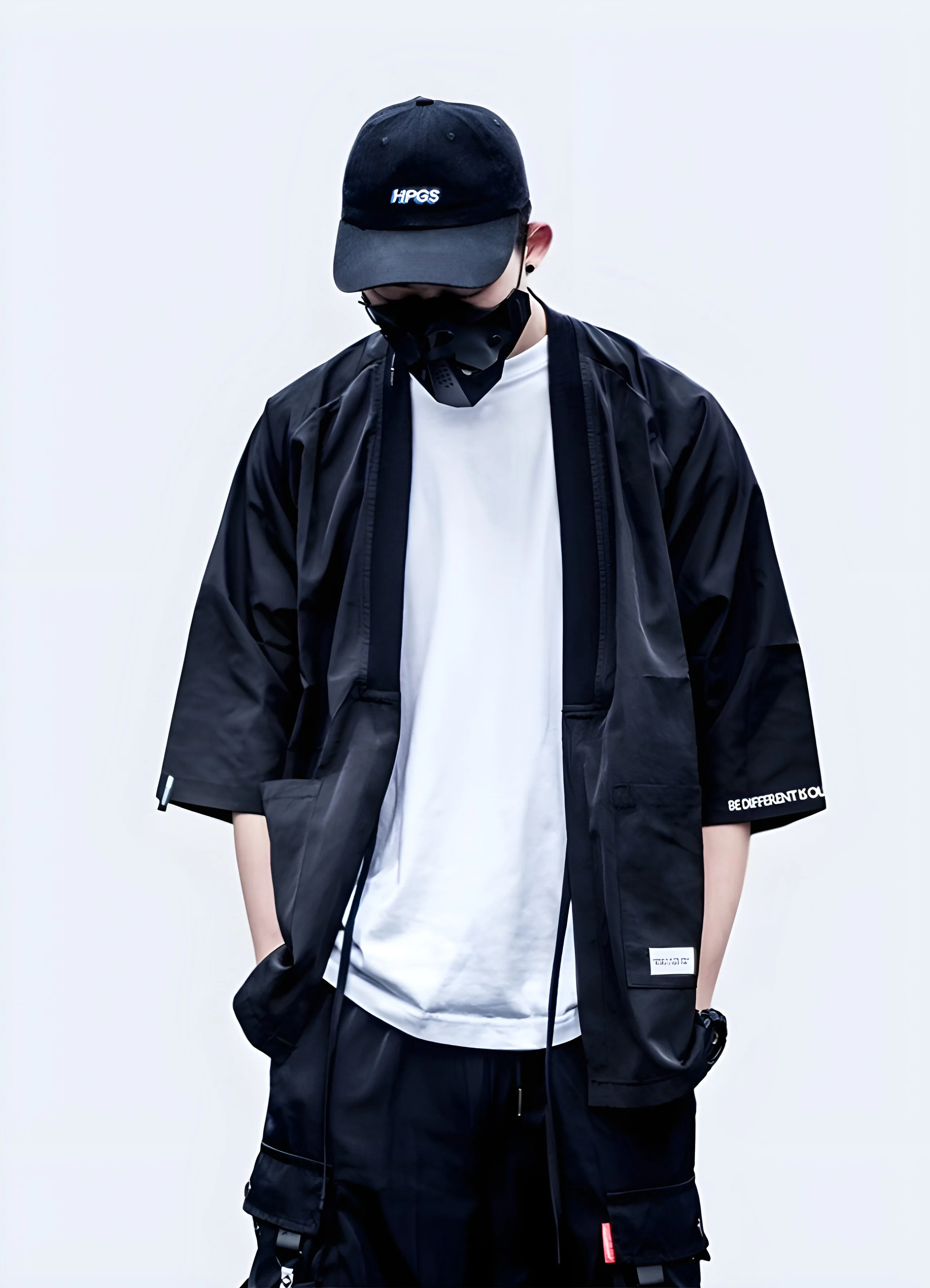
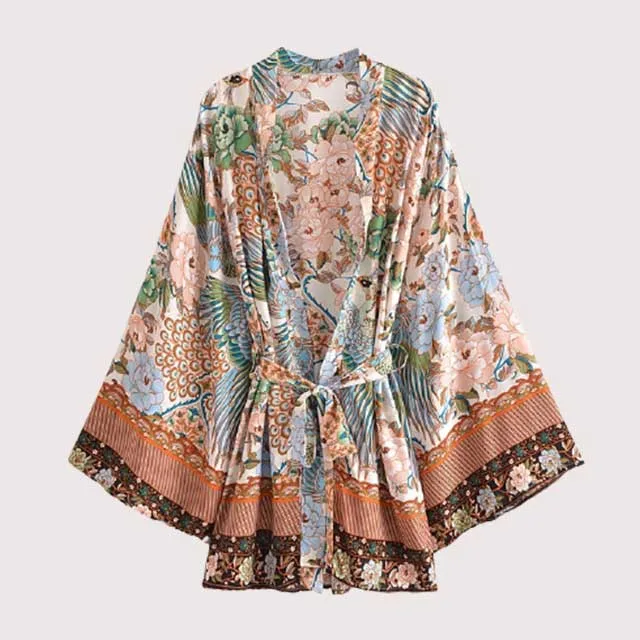
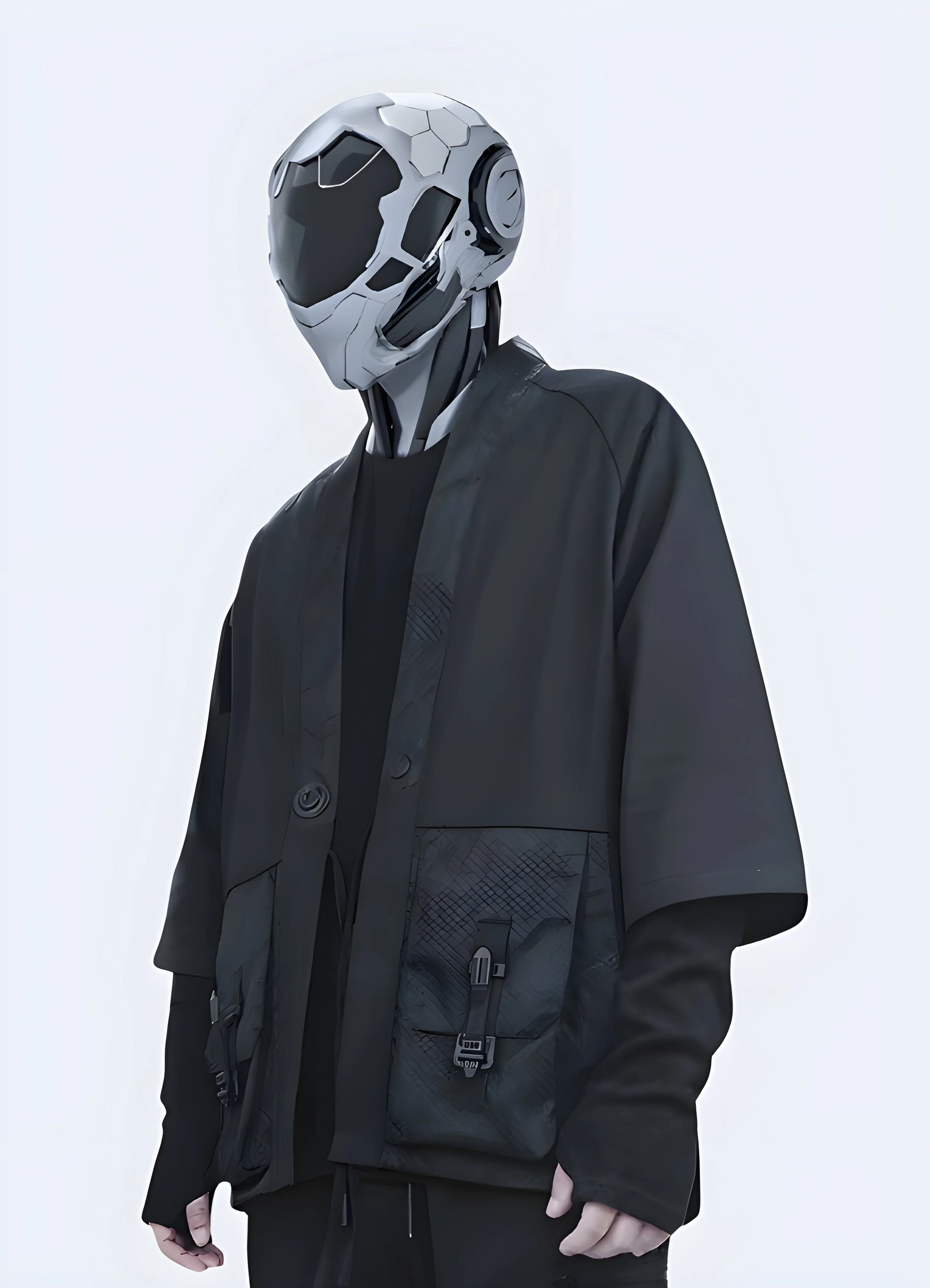
- Kimono-style open jacket: the kimono, noragi, and kaftan collapsed into a single evolving garment over centuries. Worn loose over everything, functioning as the outermost identity layer. Modern versions range from hand-dyed silk to mass-produced smart-textile that shifts pattern with the wearer's body heat. Length varies from cropped to ankle-length.
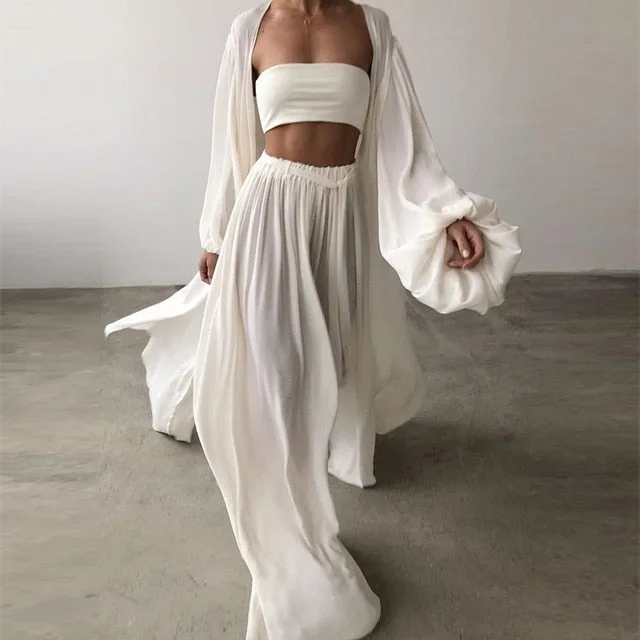
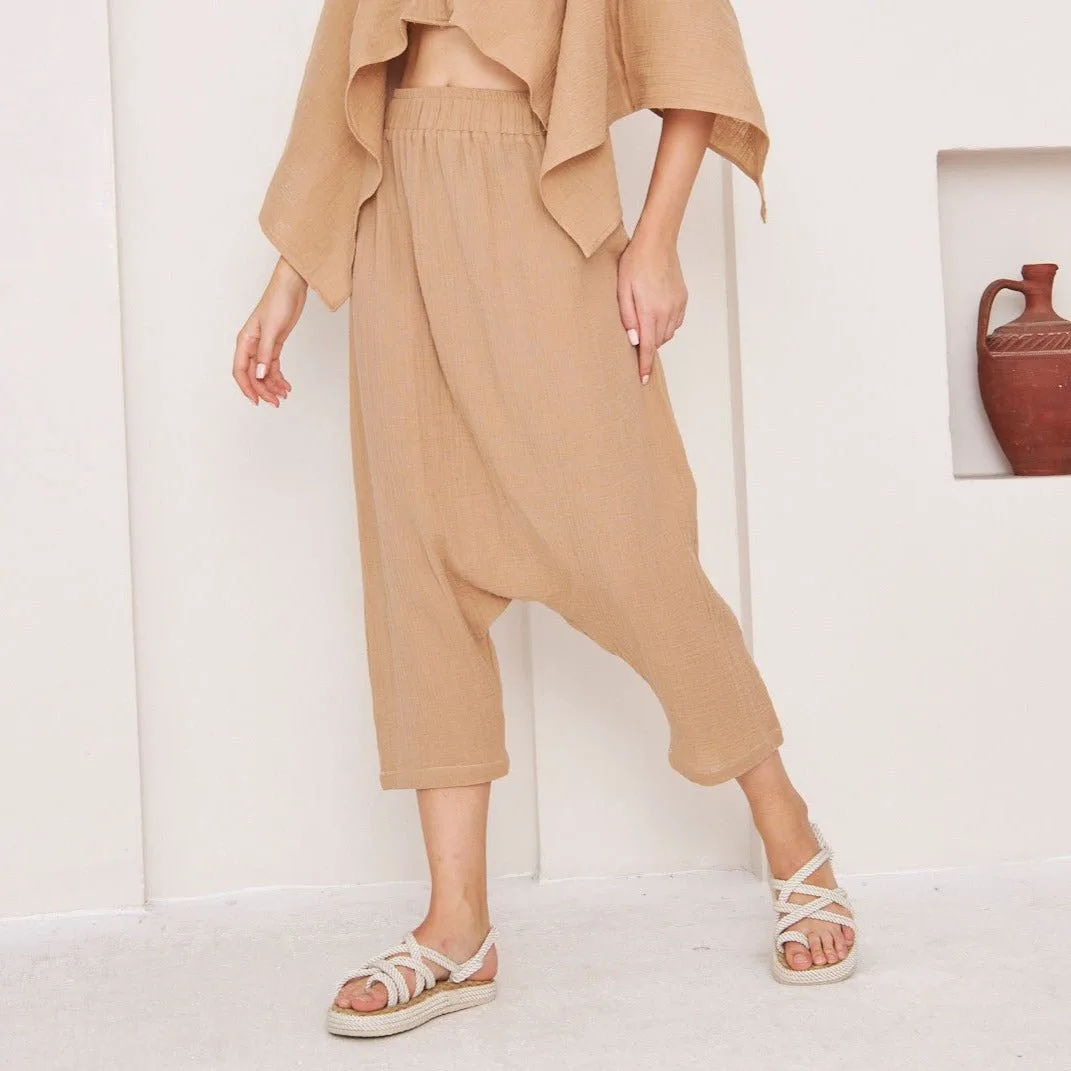
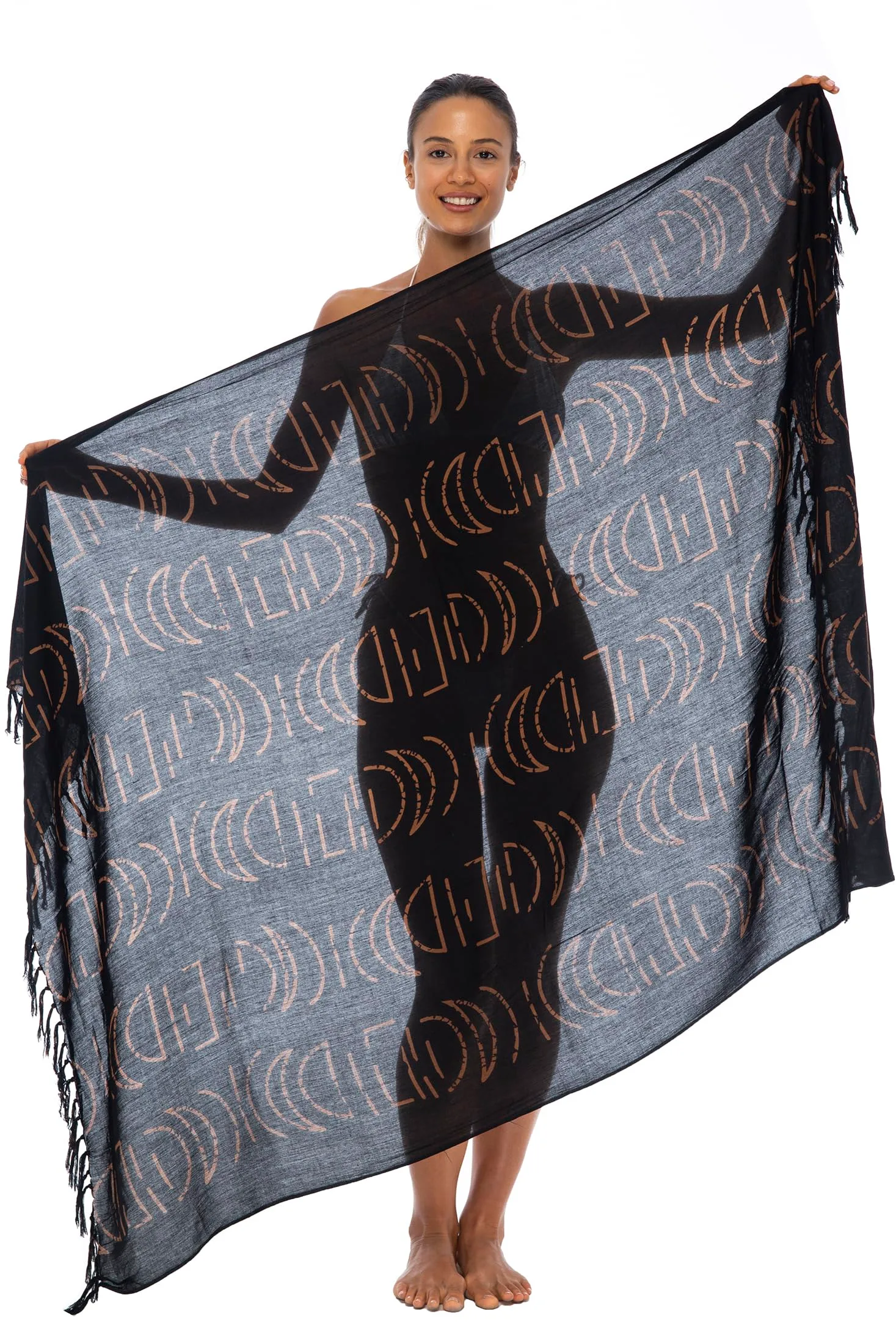
- Mixed-tradition bottoms: dhoti-wrapped pants, harem pants, sarong skirts, straight-cut trousers, whatever the wearer's personal fusion demands. Often the piece that signals which heritage feels most like home.
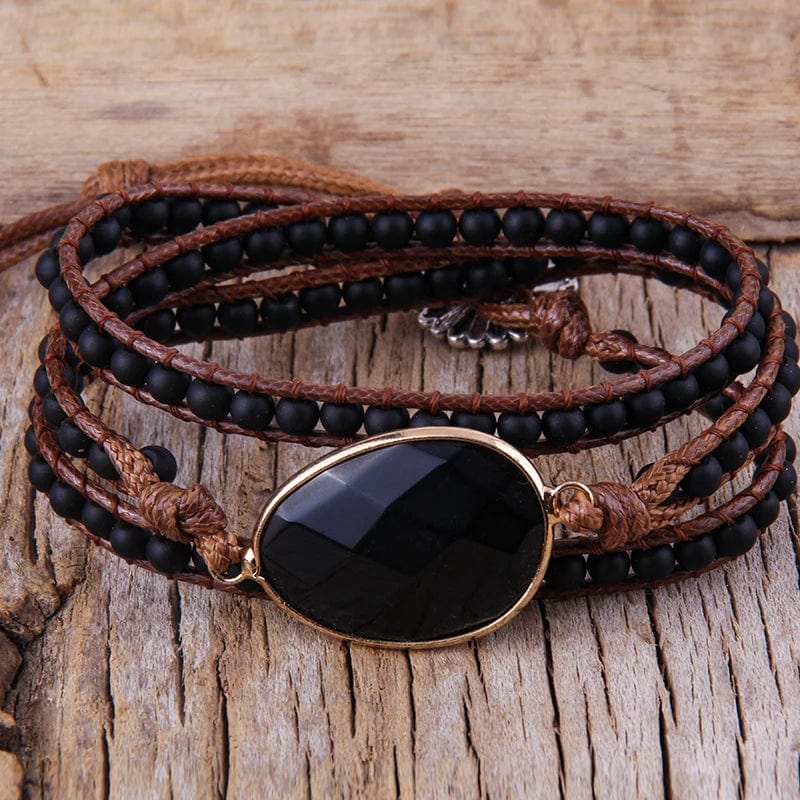
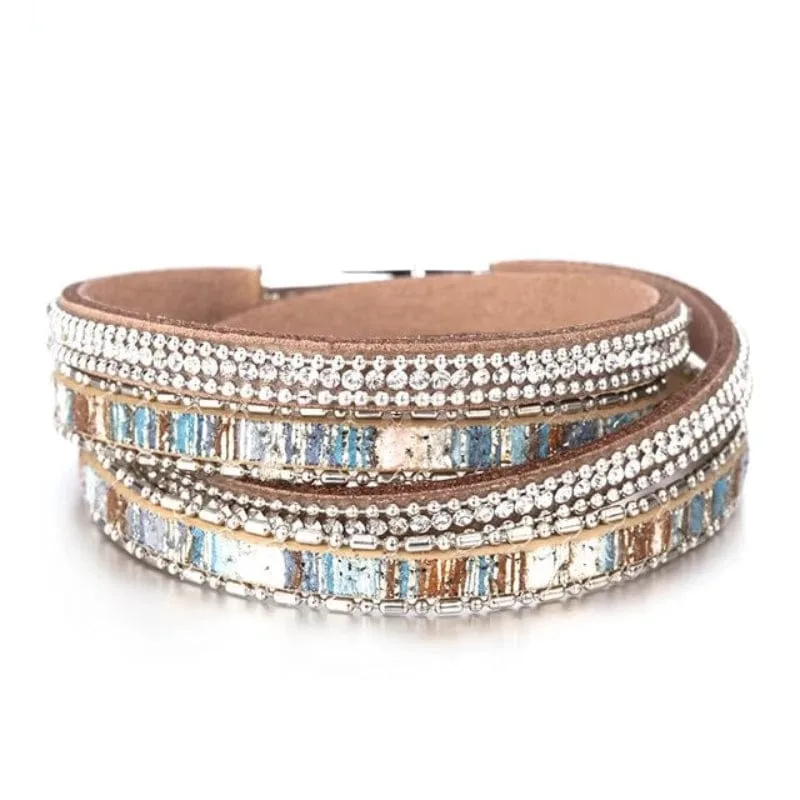
- Stacked jewelry: bangles, layered pendant necklaces, ear cuffs, nose rings, rings on every finger. Jewelry from traditions the wearer may not be able to name but whose aesthetic they absorbed from a neighbor.
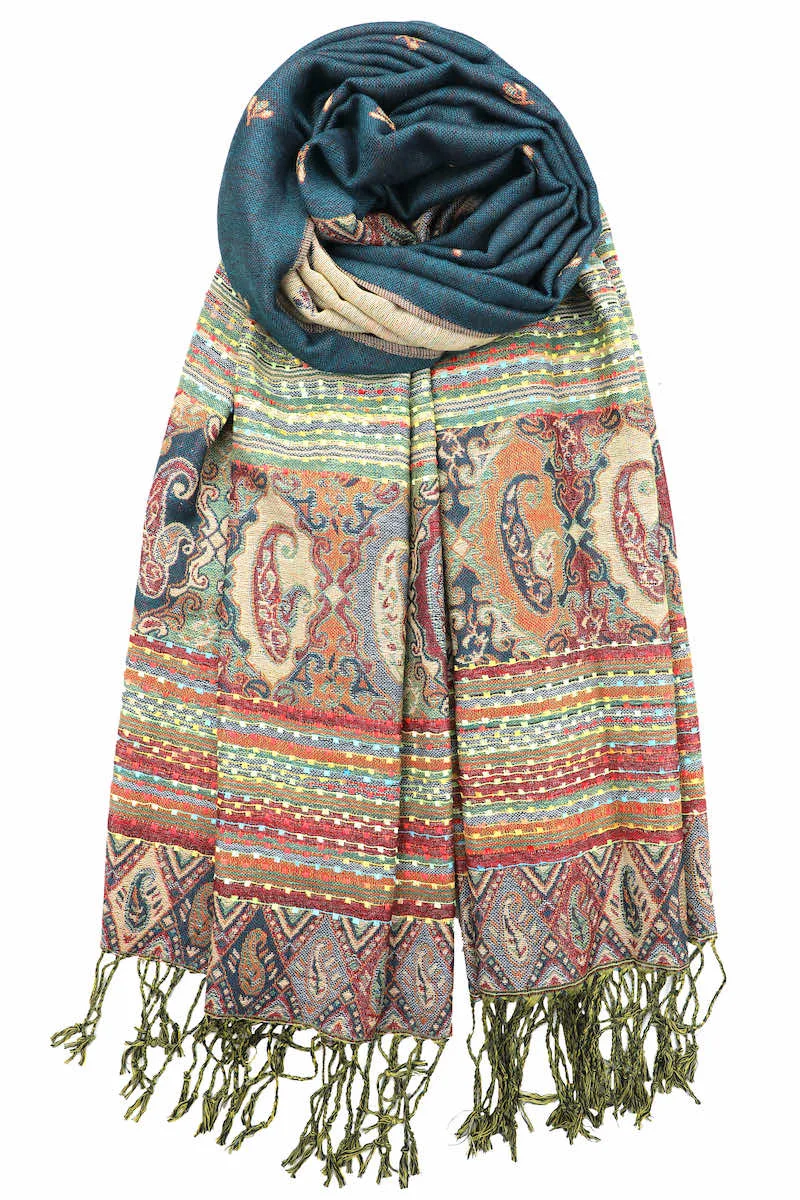
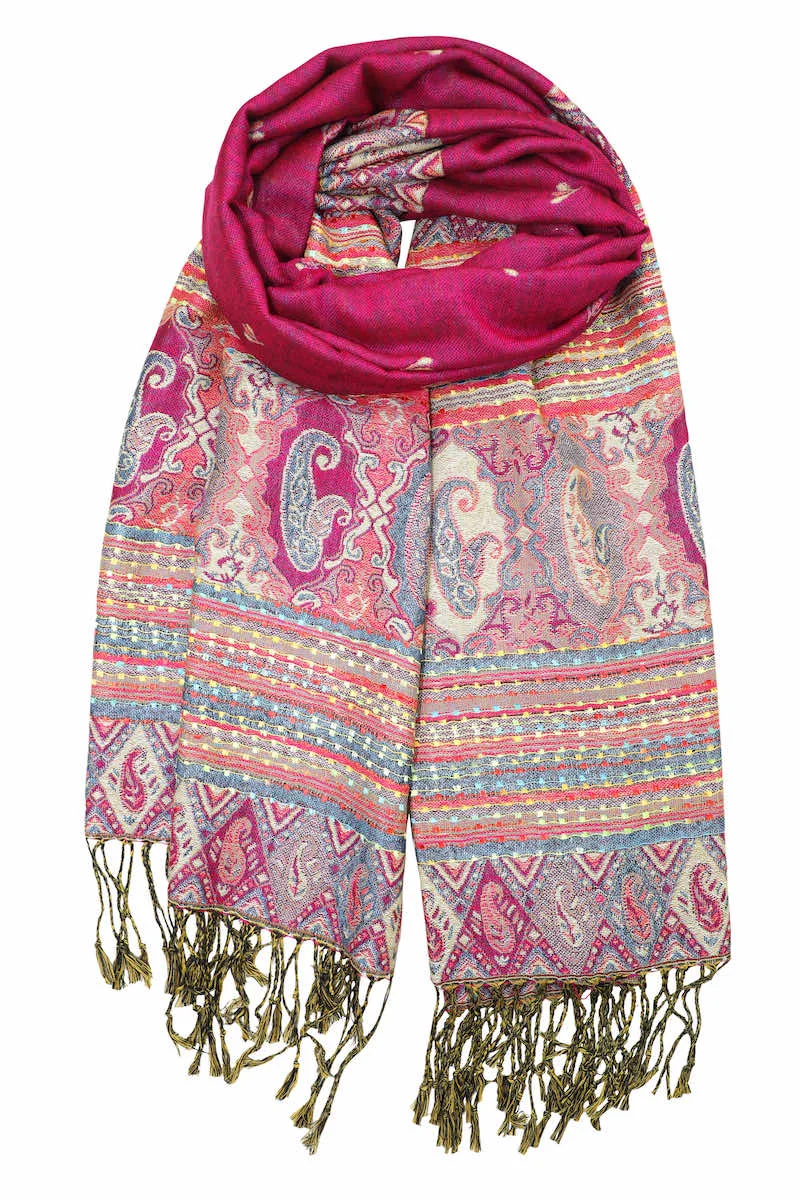
- Altitude scarf/shawl: a pashmina or rebozo-style wrap that handles temperature shifts between Luminar's levels. Some are woven with thermal-adaptive fibers that warm or cool on contact. Often the most expensive and most personal piece in the outfit.
Materials & Color: Abundant color. Pattern-mixing is celebrated: ikat, batik, geometric prints, floral motifs from half a dozen traditions in a single outfit, now supplemented by machine-generated patterns that would have been physically impossible to weave by hand. The Arcis find it garish. The Velanth find Arcis fashion museum-worthy in the worst sense.
The Rule: Young Velanth change styles constantly, sampling traditions like cuisine. Elders settle into a personal aesthetic that becomes a wearable autobiography, more layered and more uniquely theirs with each decade.
Machari — The Chosen Form
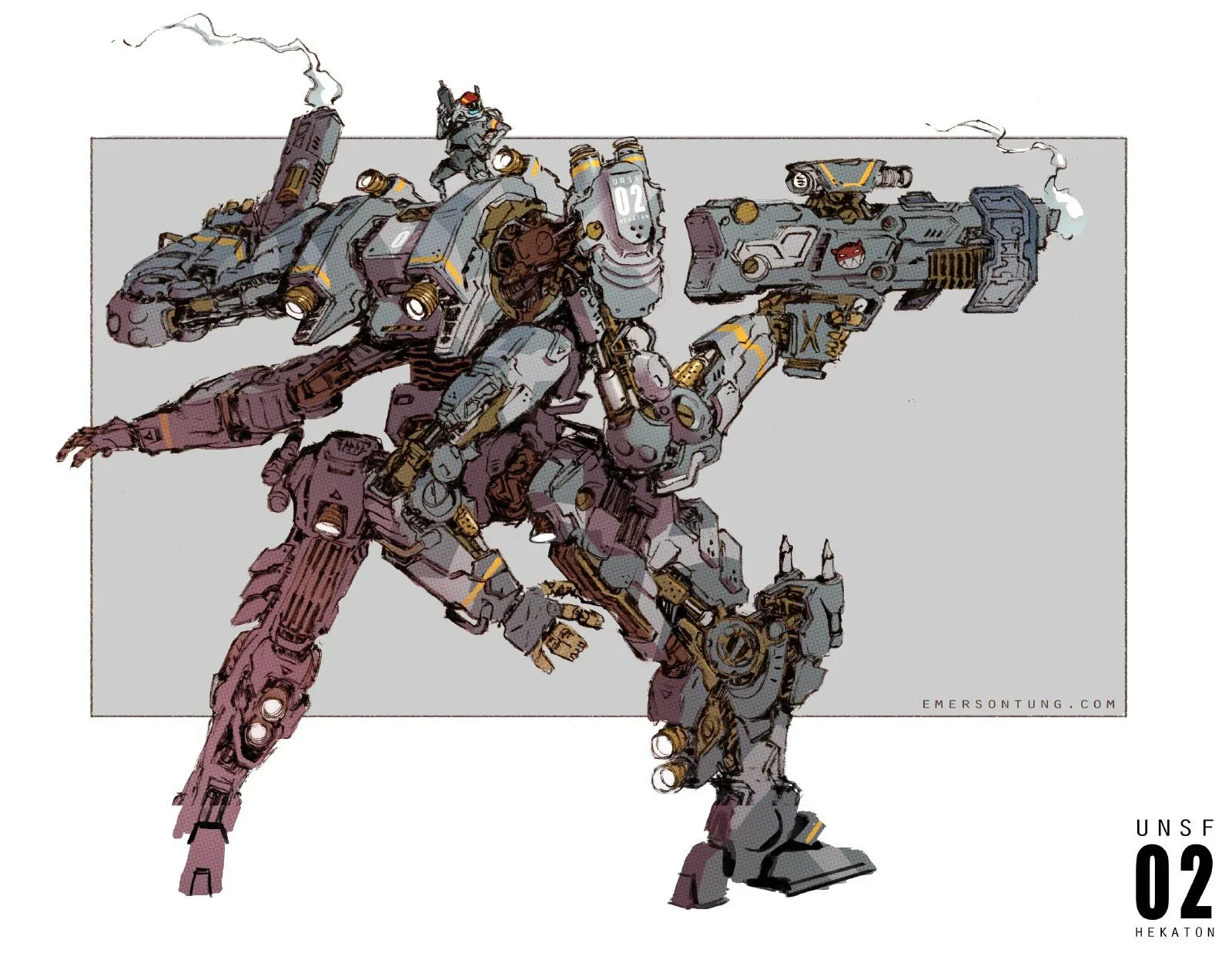
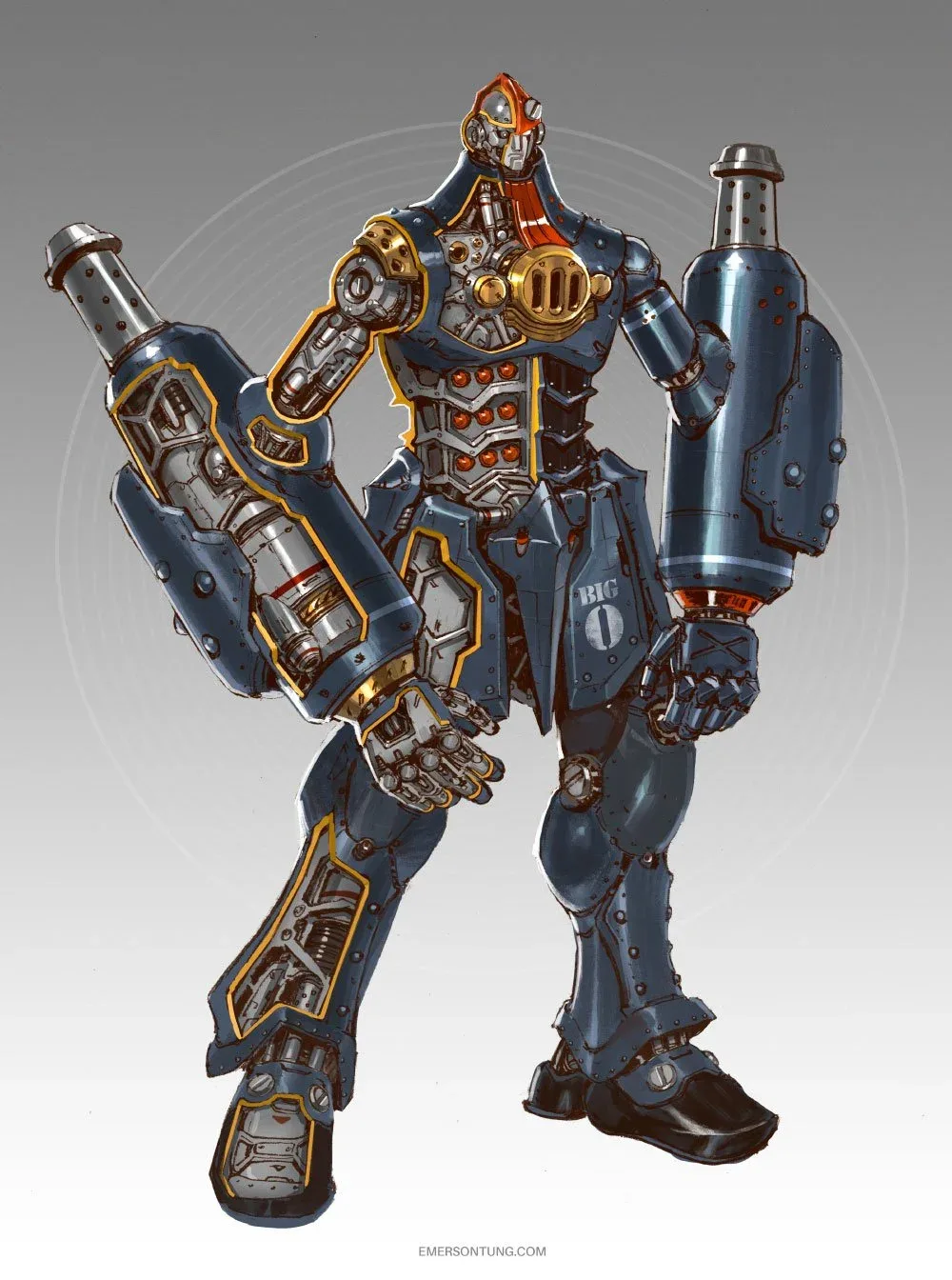
The Machari do not wear clothing. They are their aesthetic.
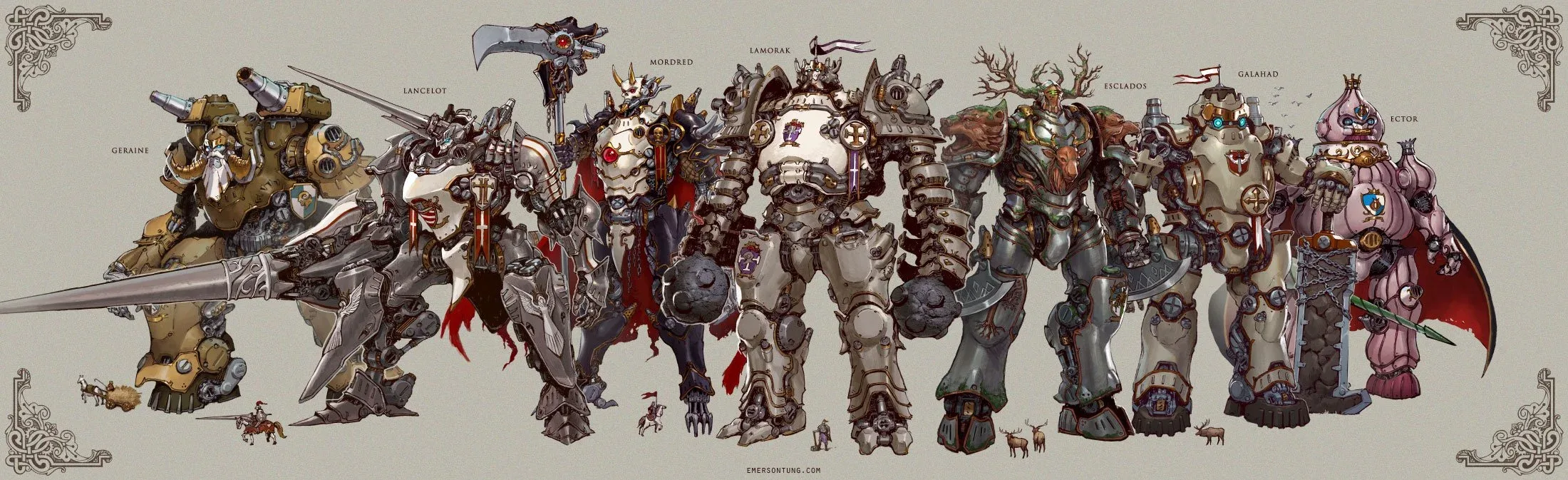
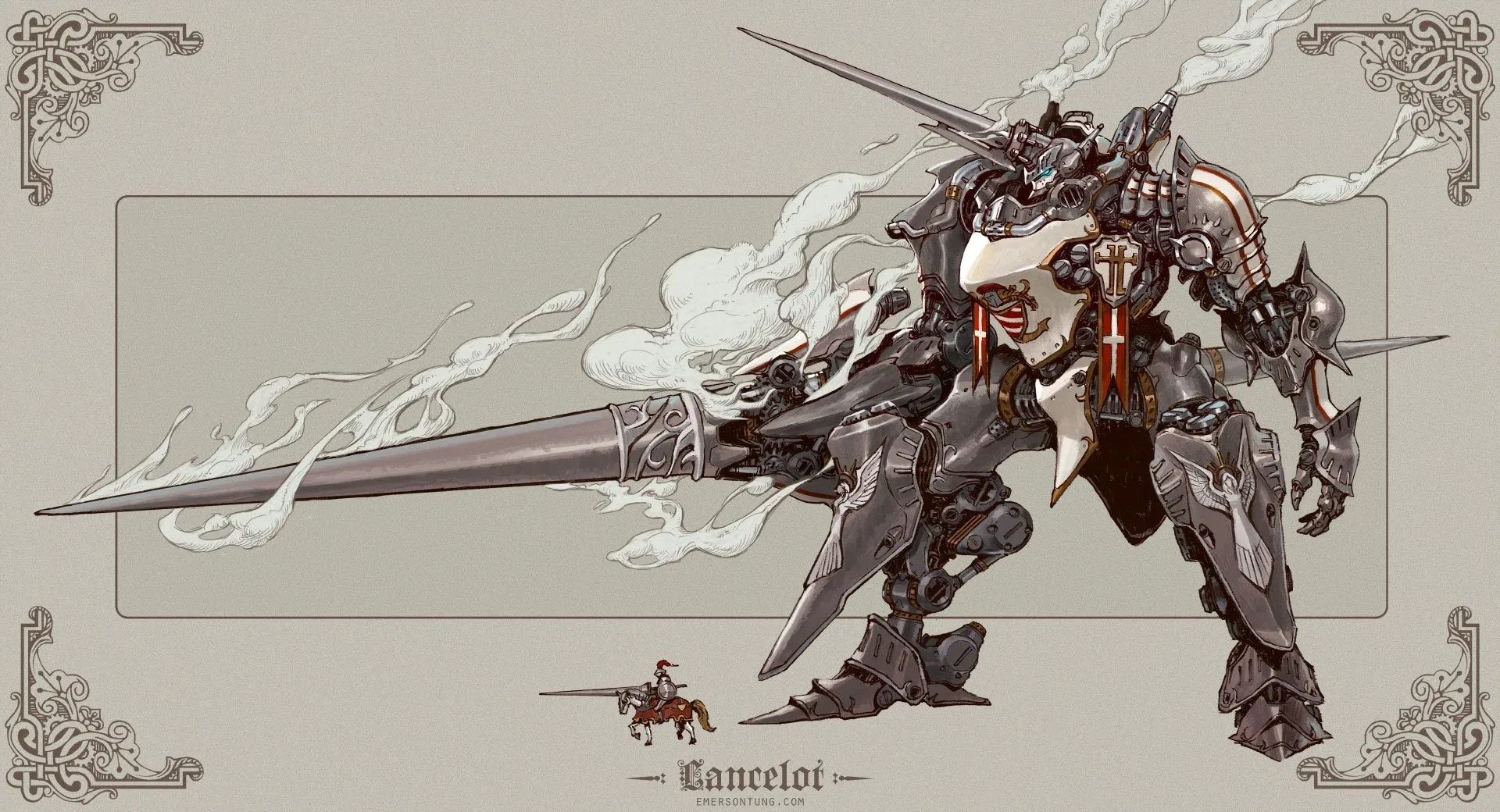
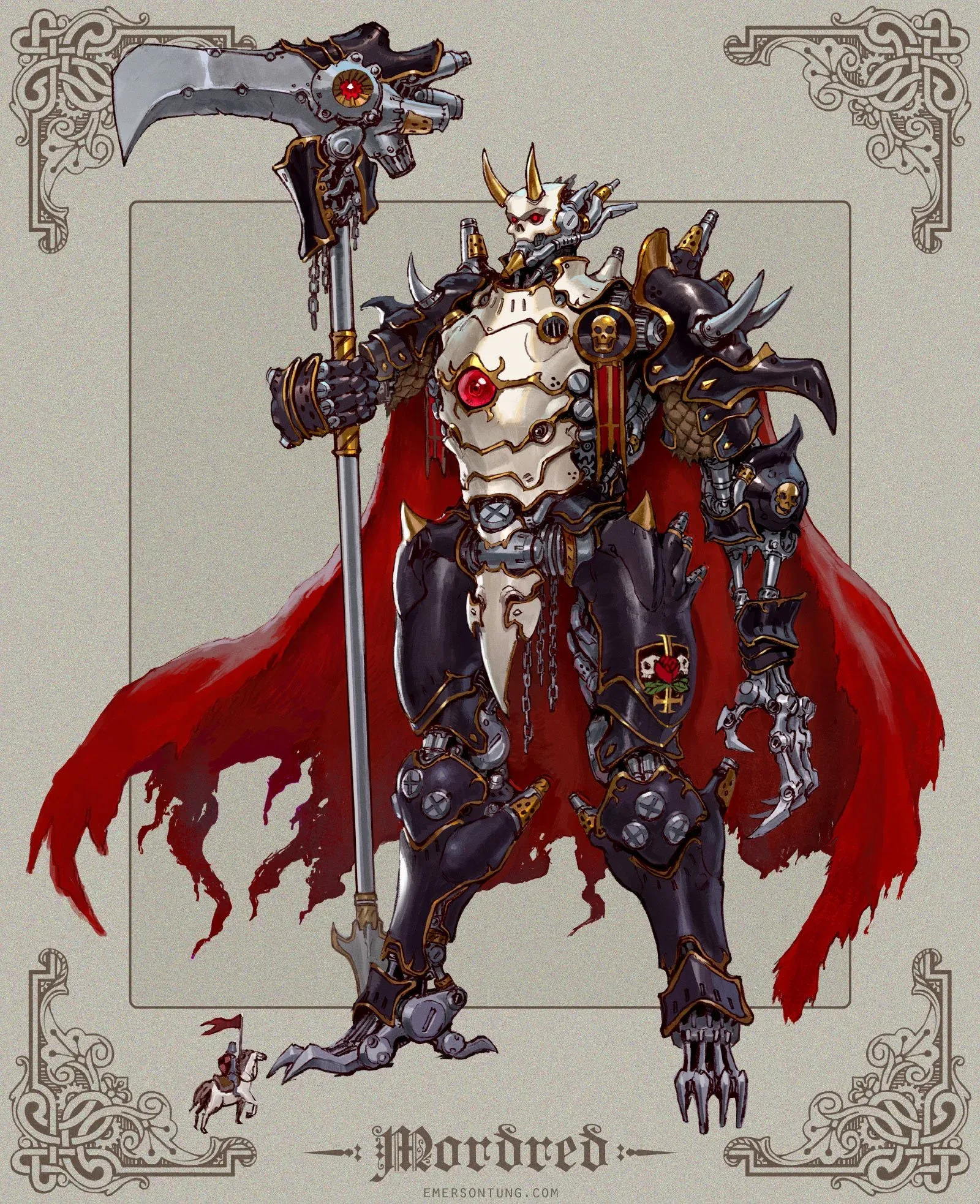
Constructs in Machina express identity through body modification — the form itself is the fashion. Since construct bodies are modular and customizable, the line between "outfit" and "self" does not exist the way it does for organics.
Forms of Expression:
- Chassis engraving: patterns etched into metal plating. Geometric, organic, abstract, or narrative; some constructs wear their entire history as a visual story across their body. Ranges from subtle linework to deep-relief carving.
- Patina and finish: deliberate surface treatments. Polished chrome reads differently than brushed bronze reads differently than matte black reads differently than oxidized copper-green. Finish is mood, identity, and era all at once.
- Decorative plating: ornamental plates, crests, ridges, or filigree added purely for aesthetics. The most visible statement a construct can make. Some are baroque and elaborate. Some are surgically minimal.
- Light arrays: embedded lights that pulse, shift color, or display patterns. Emotional signaling, artistic expression, or pure decoration. The construct equivalent of expressive eyes.
- Paint and pigment: the most temporary form of expression, analogous to organic clothing in that it can be changed easily. Some constructs repaint frequently. Others have never changed their original coloring.
- Electromagnetic art: visible only to constructs and certain enhanced organics. Patterns projected in wavelengths beyond organic perception. An entire layer of aesthetic expression that most visitors to Machina never see.
The Philosophy: A construct who adds decorative plating they do not need, who paints themselves in colors that serve no function, who engraves their chassis with patterns that will never improve their performance — that construct is making a statement about what it means to be alive. Beauty without biological necessity is, for the Machari, proof of consciousness.
Dravik — The Forge-Dressed
Dravik fashion is workwear elevated to identity. Every piece earns its place by being useful, and beauty emerges from the evidence of use.
Silhouette: Sturdy, layered for heat protection, utilitarian. The overall look is "someone who makes things with their hands and doesn't apologize for it."
Key Pieces:
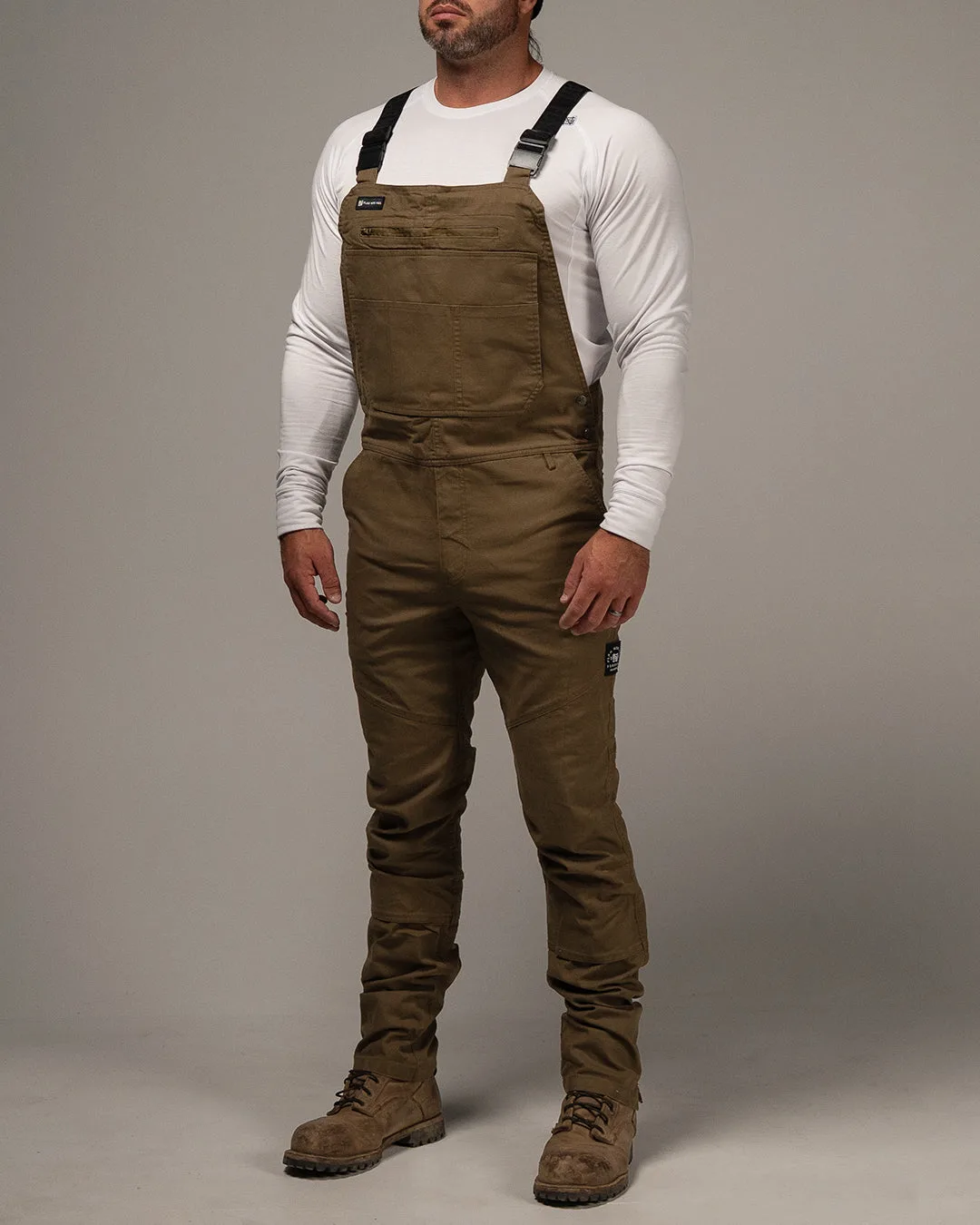
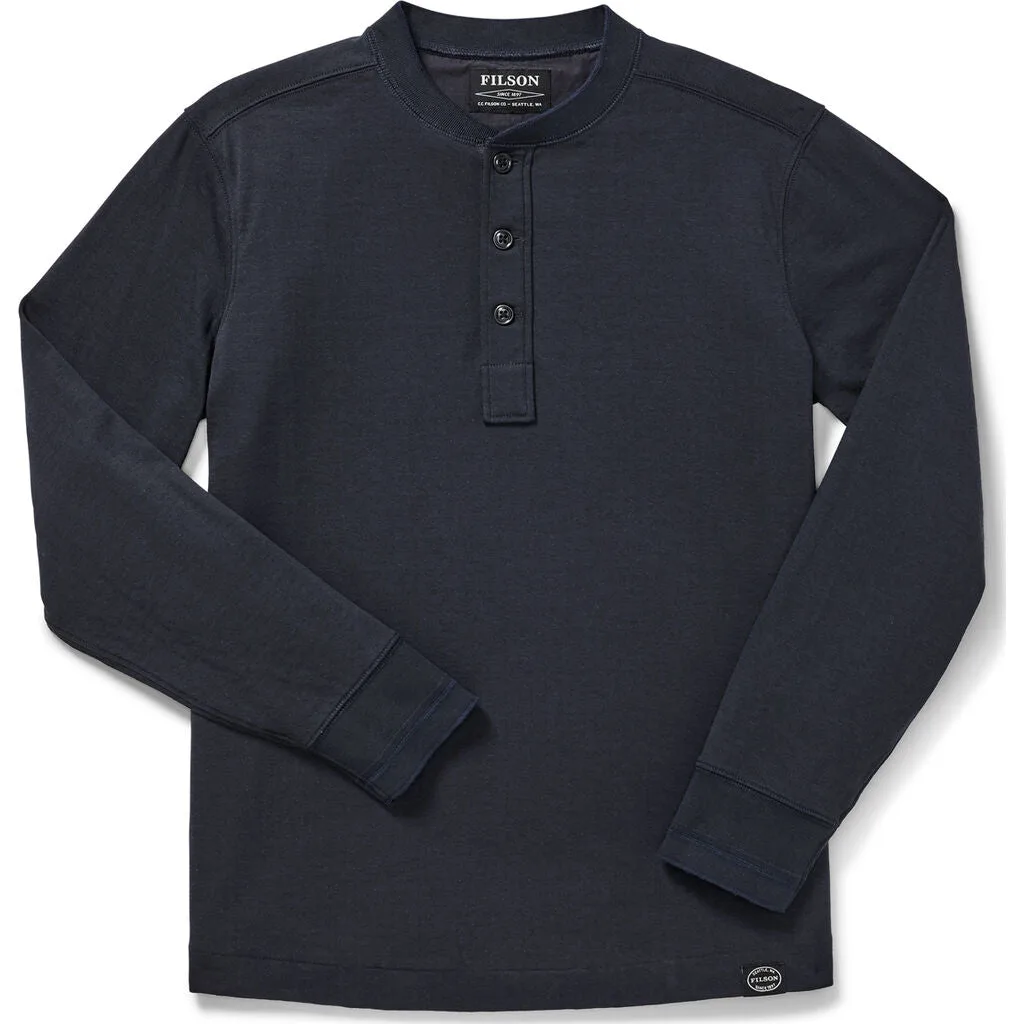
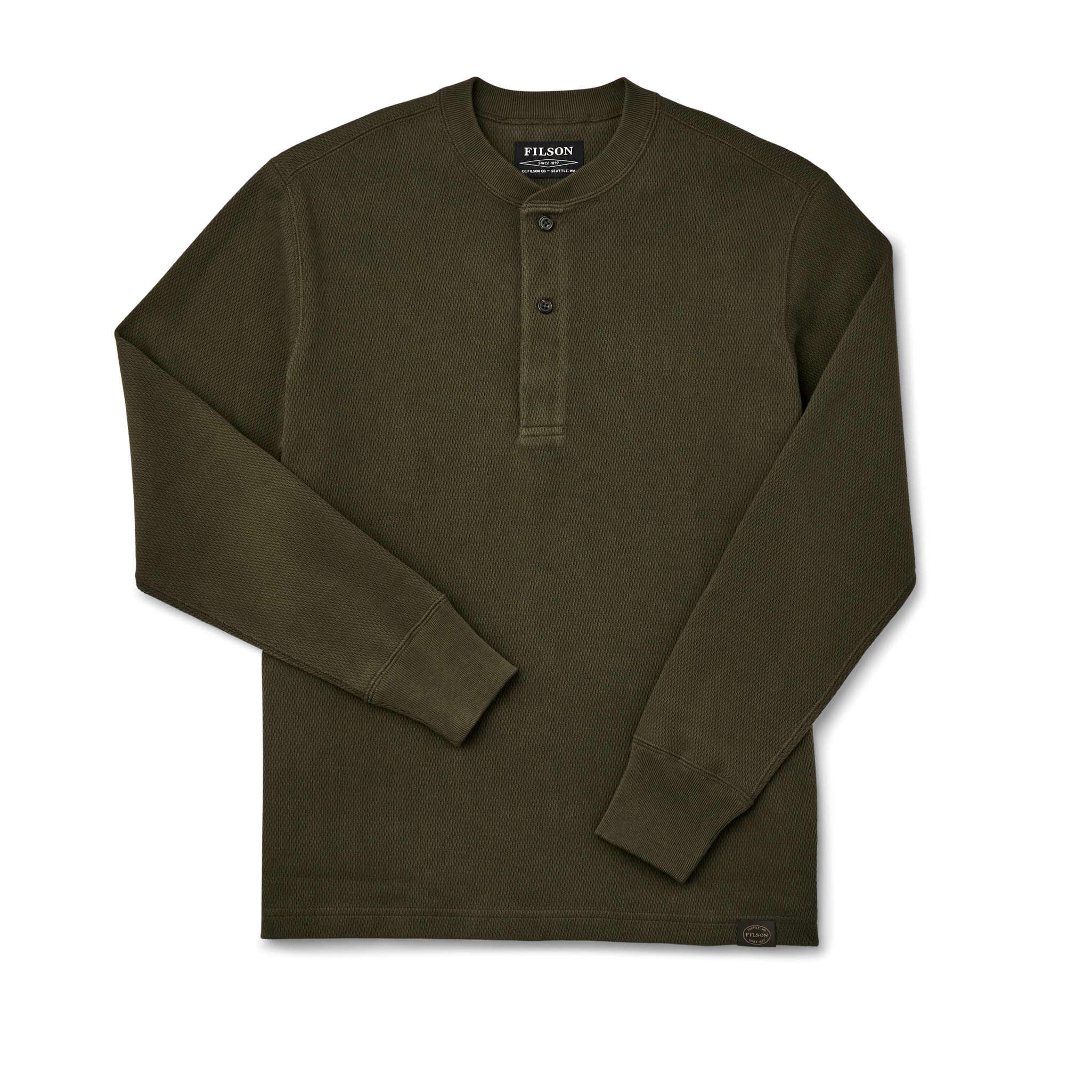
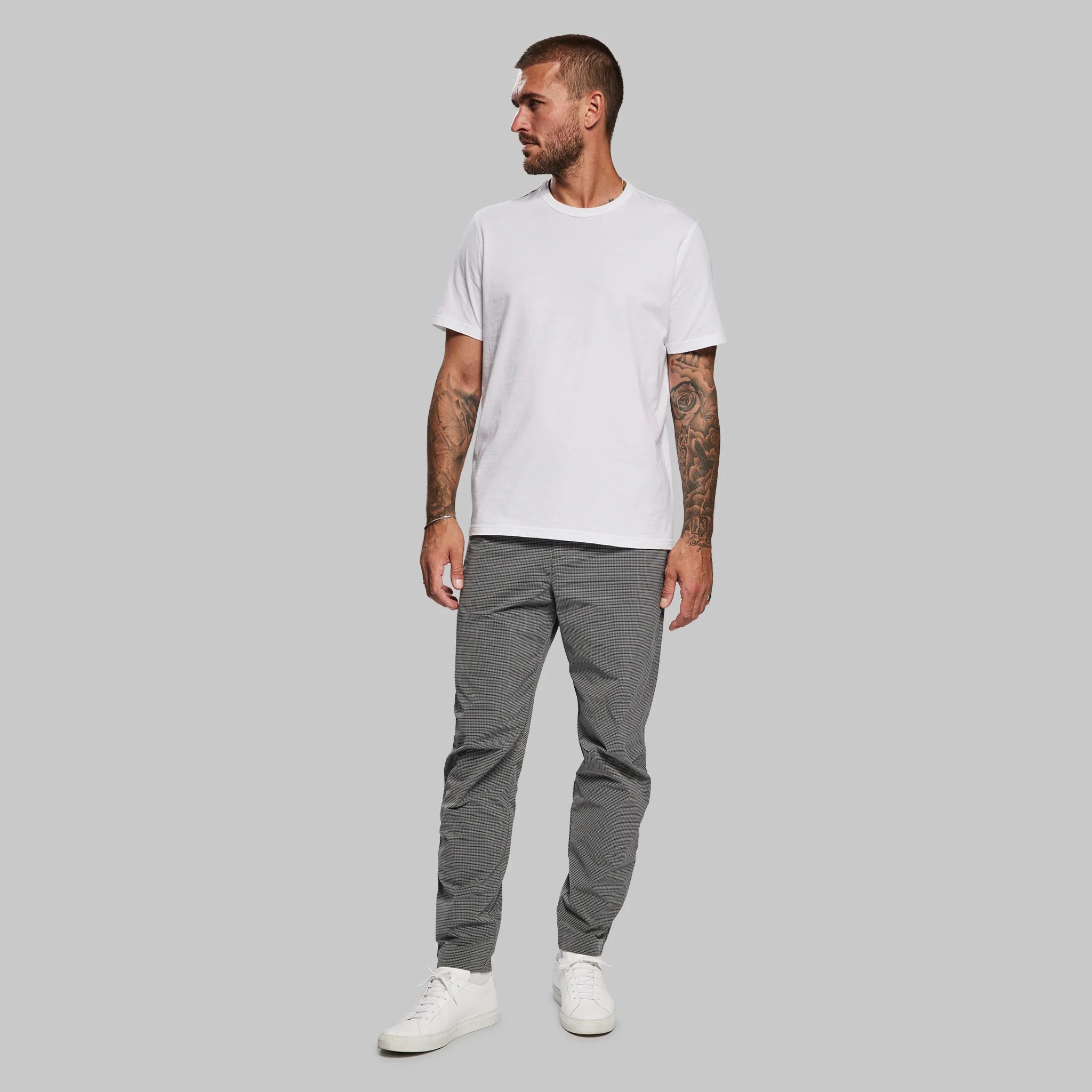
- Heat-wicking base layer: fitted henley shirt or thermal undershirt in engineered carbon-fiber weave. Always tucked in. The fabric sheds radiant heat that would blister bare skin.
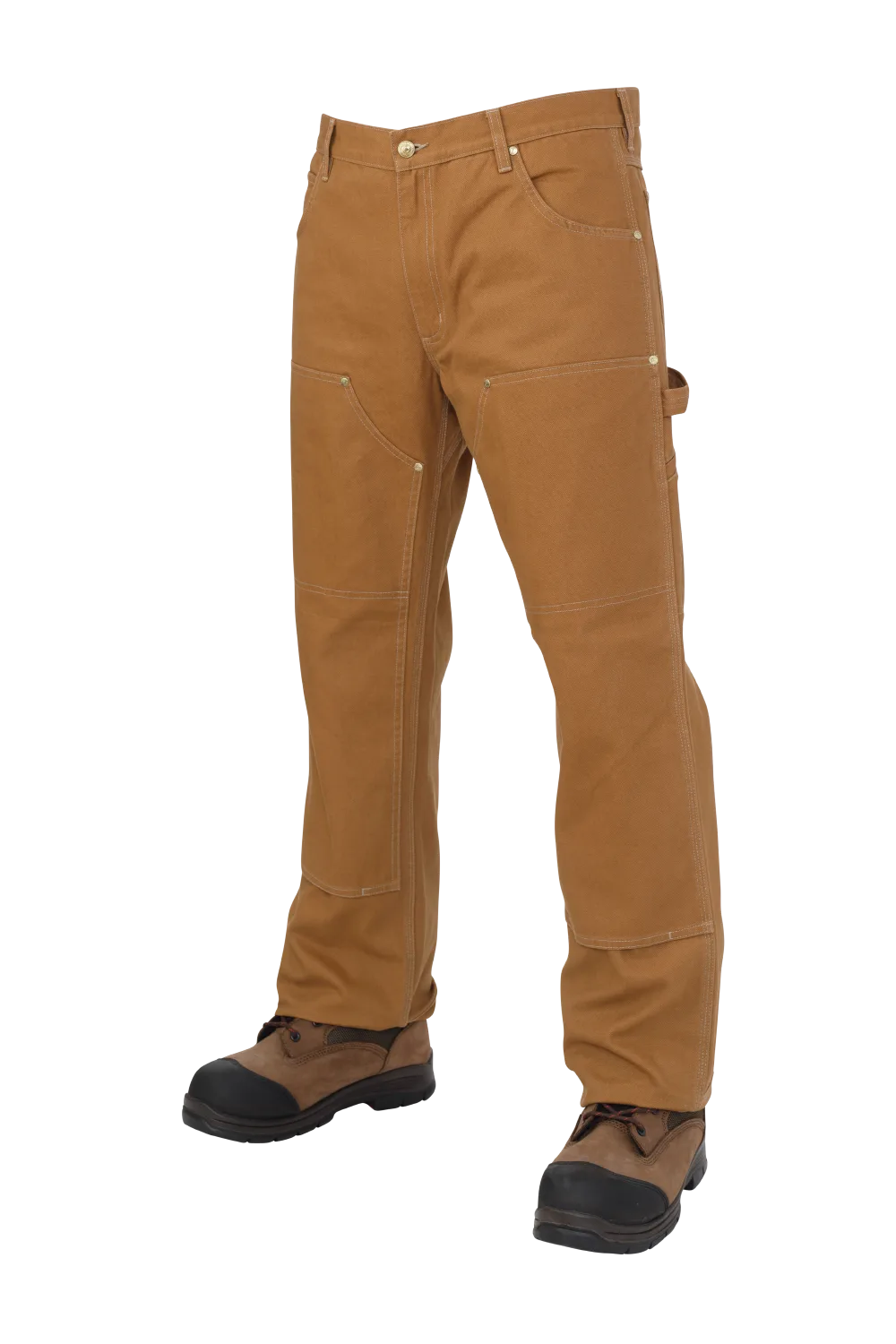
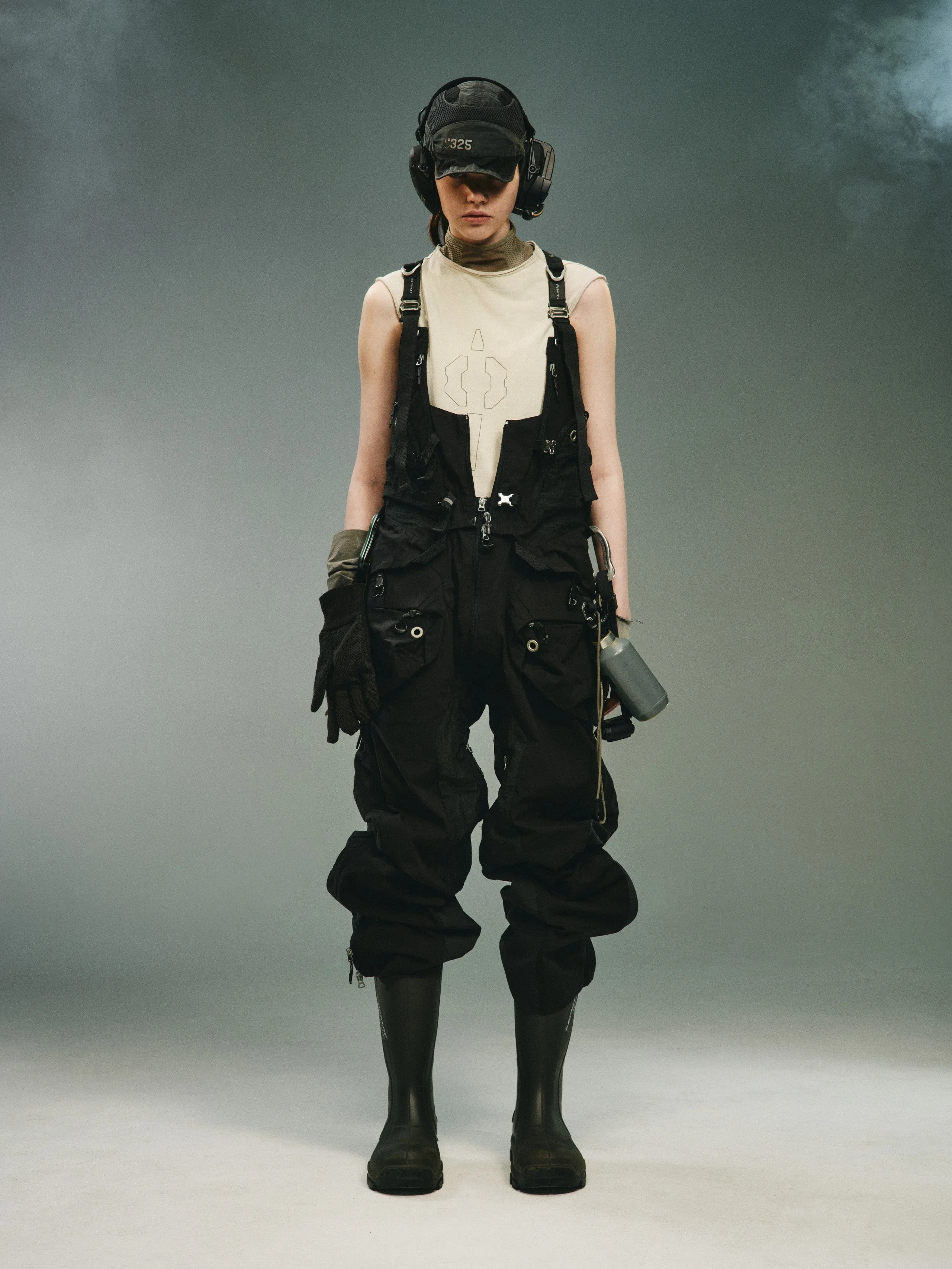
- Reinforced work trousers: heavy-load handler's pants with double-layered knees and integrated tool pockets. The Carhartt double-front reinvented in composite textiles that resist plasma splatter and forge scale. Pockets are functional and full.
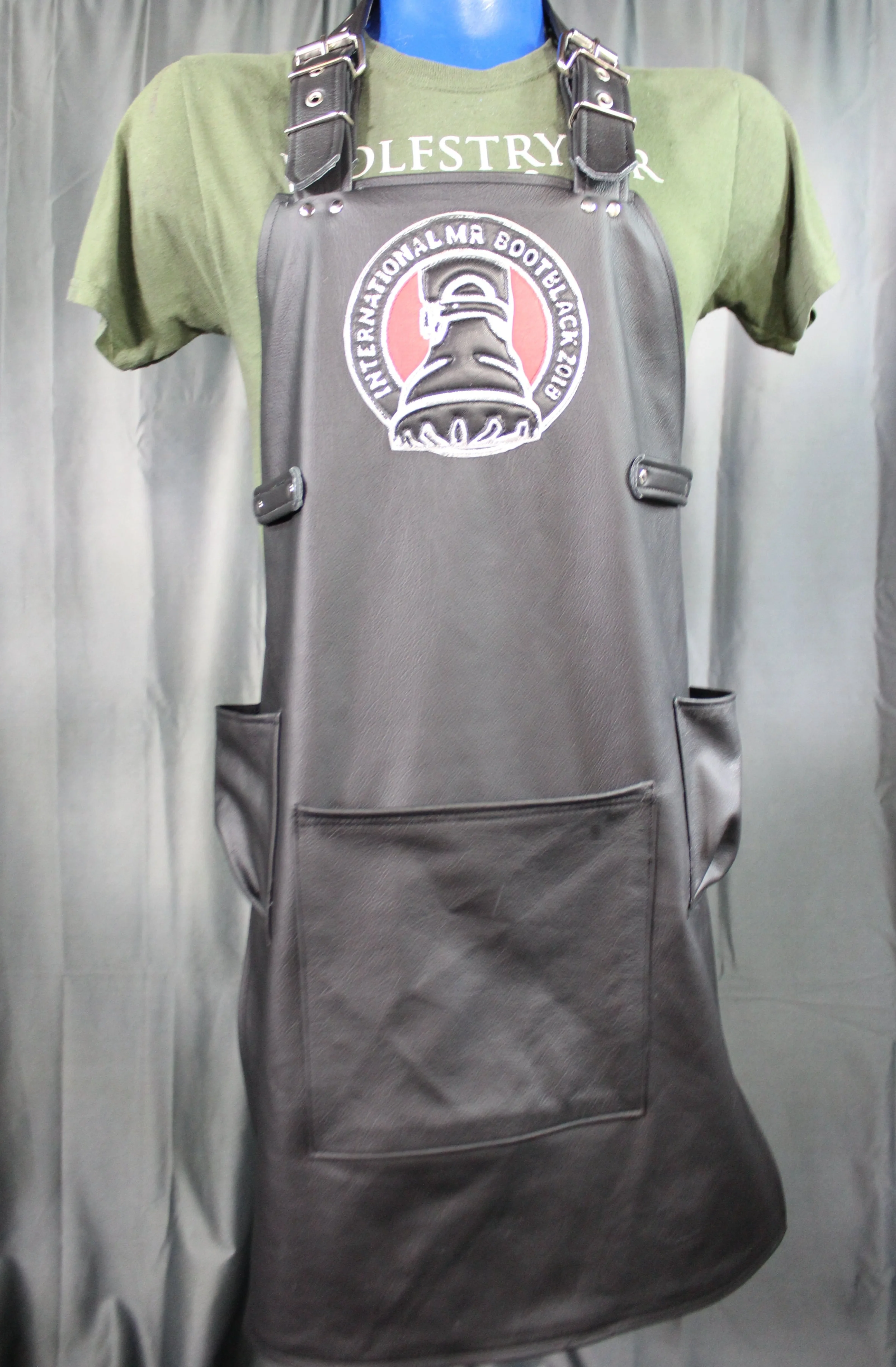
- Tactical apron: the blacksmith apron evolved into a modular rigging system. Heavy split-hide or ballistic fabric, loaded with tool loops, with detachable panels that swap between forge stations. Soot-stained, burn-scarred, and never replaced until it falls apart. A Dravik's apron is their most personal possession.
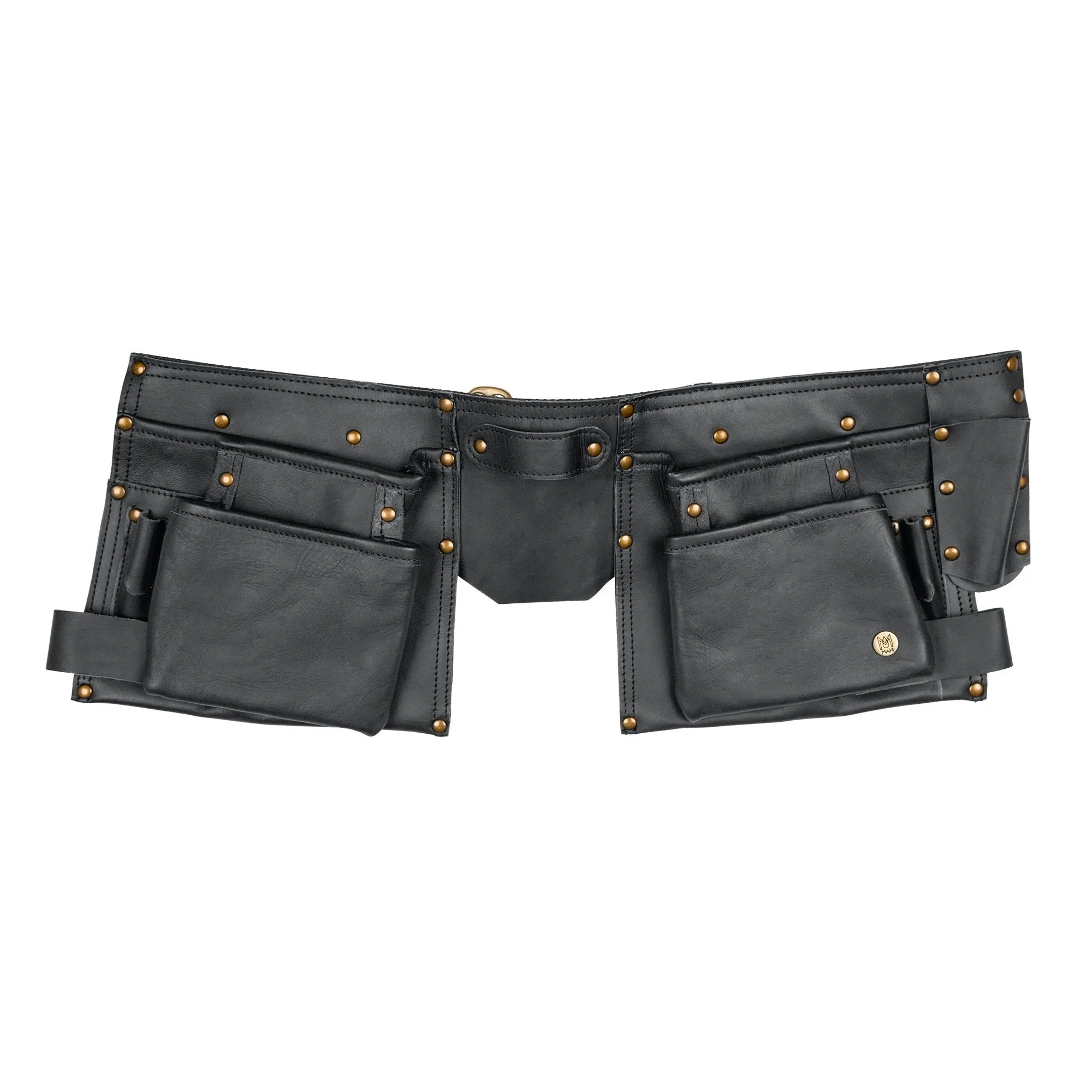
- Tool belt: autobiography in leather and steel. The tools, their arrangement, wear patterns, and custom modifications tell a career story to anyone in the guild.
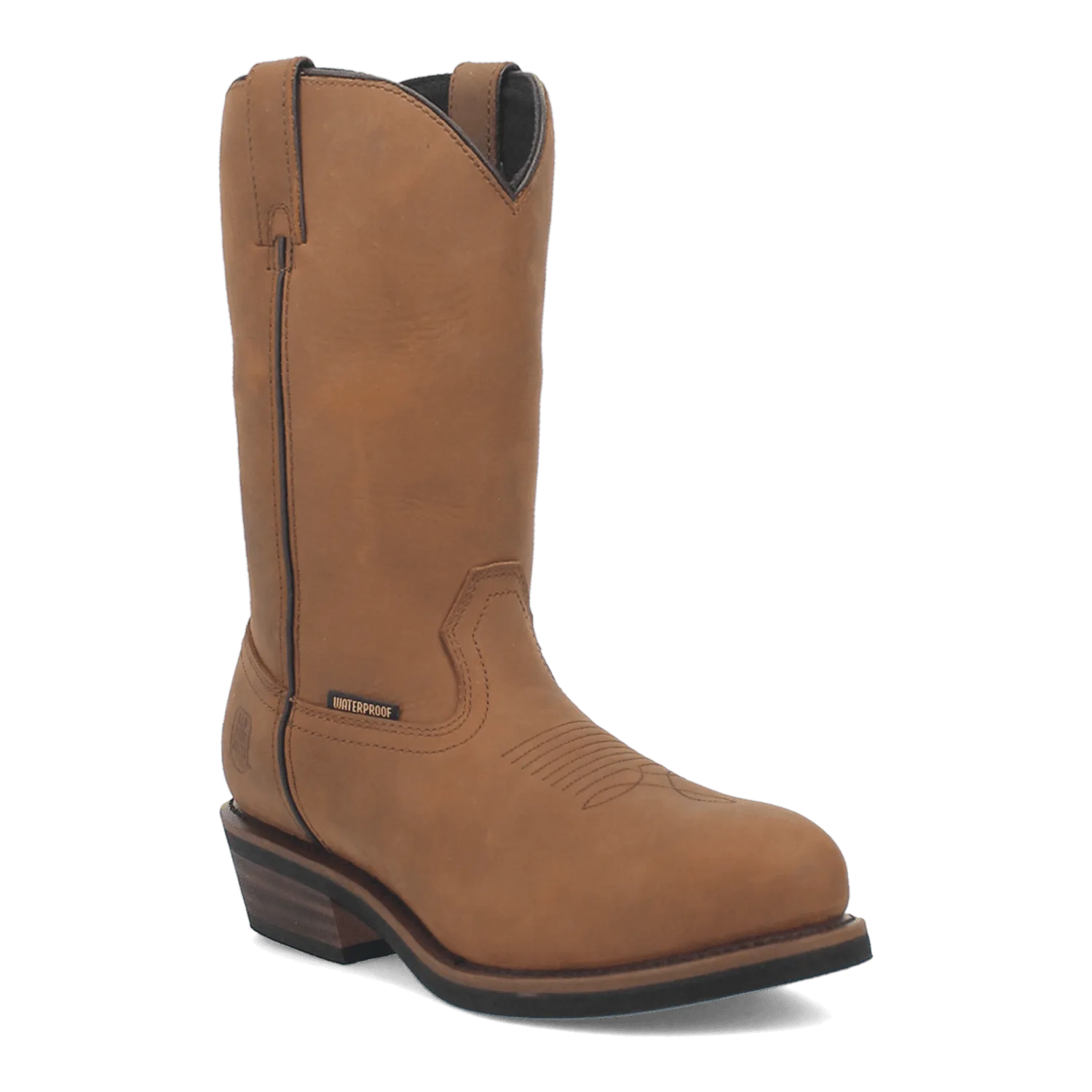
- Heavy boots: steel-toe work boots, laced high, broken in over years. Resoled rather than replaced. Some newer models use heat-shielding composites, but most Dravik prefer the old leather. It earns its scars honestly.
- Guild shoulder patch: left shoulder, always. Metallurgists, Artificers, Alchemical Engineers; guild before family.
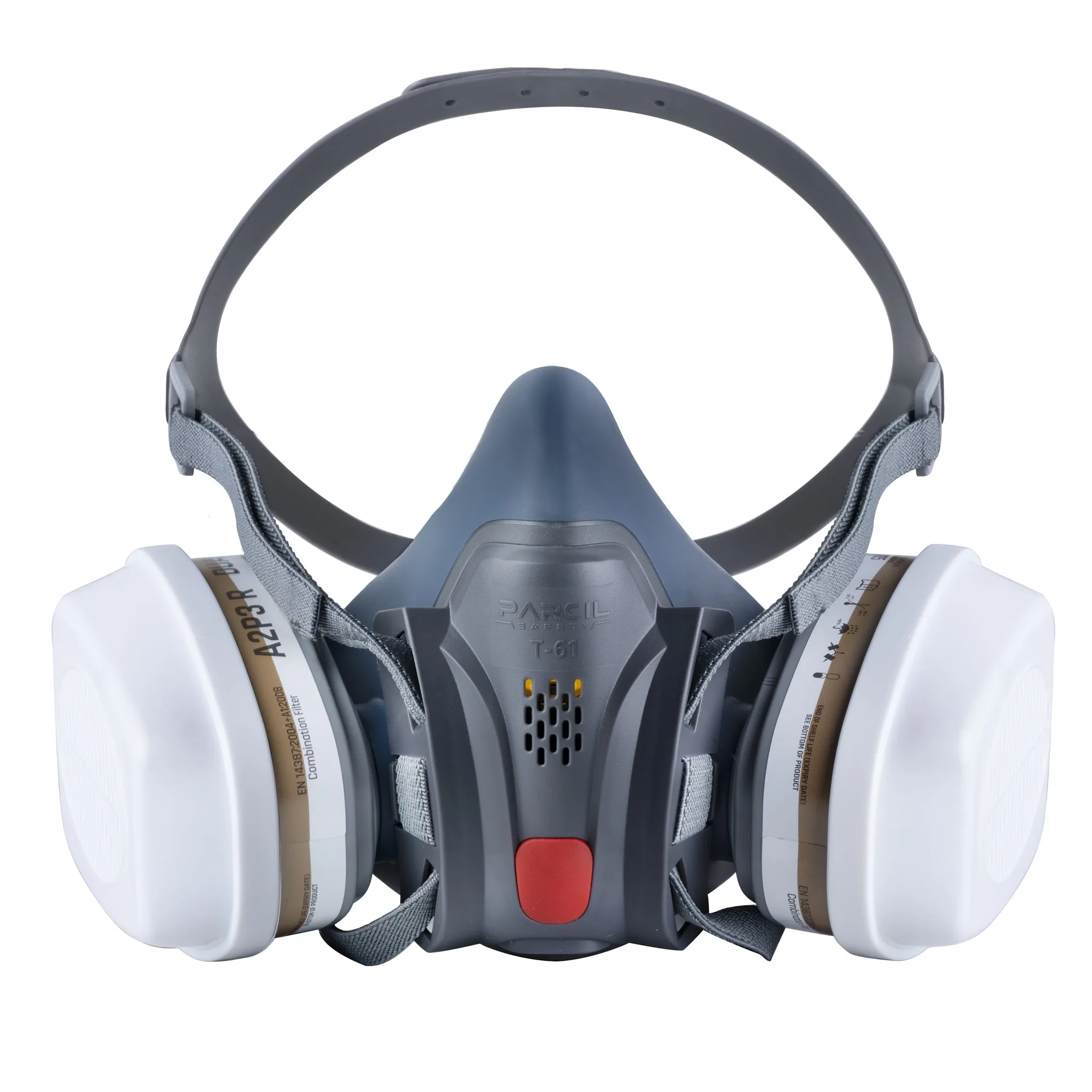
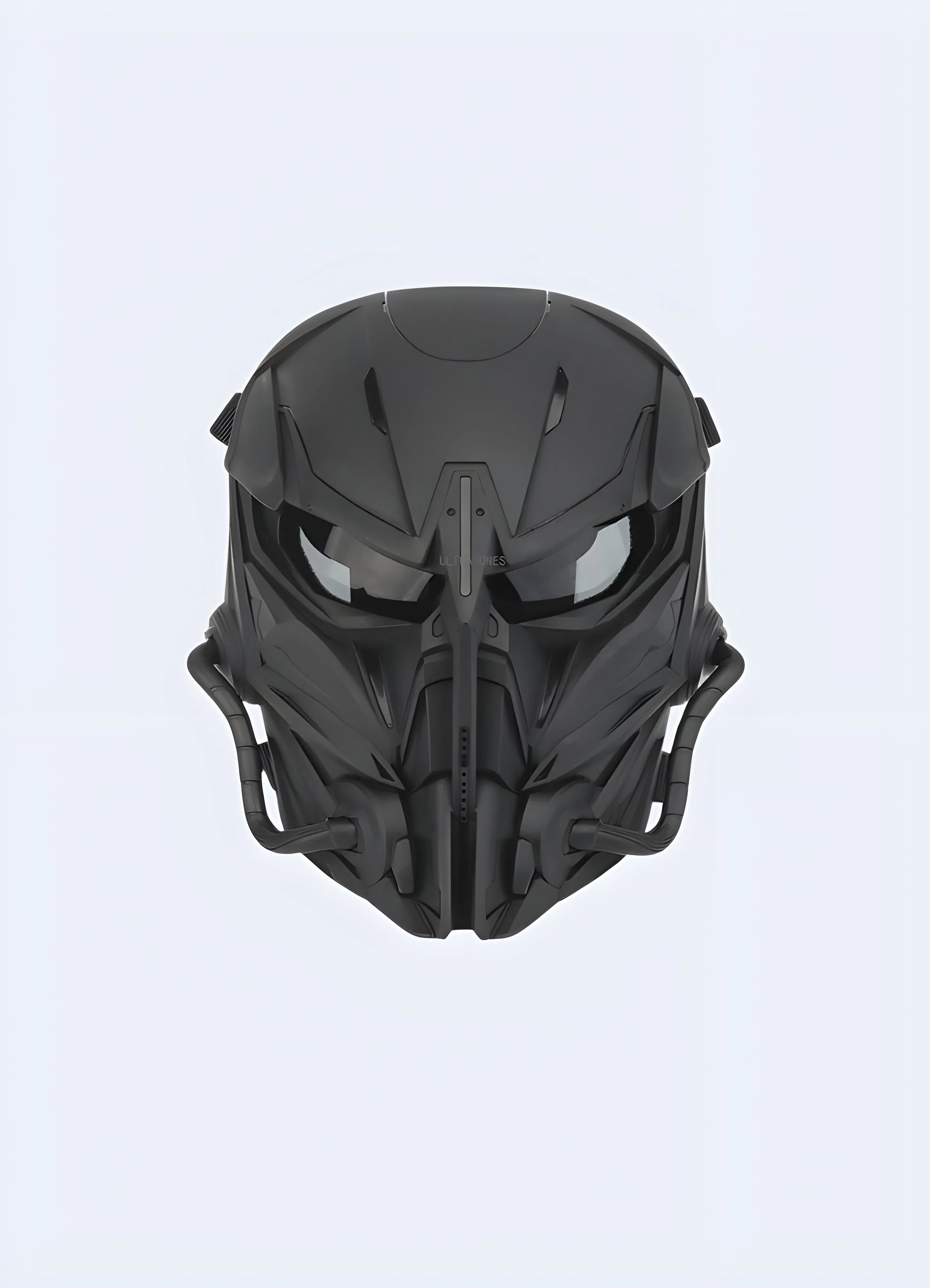
- Atmospheric filter: fitted respirator or half-face mask, worn as casually as a scarf. Aelios air requires it. The filter is as much identity marker as safety equipment, saying "I live here, not visiting." Some veterans customize theirs with guild engravings.
- Bandana or sweatband: for practical heat management. Often guild-colored.
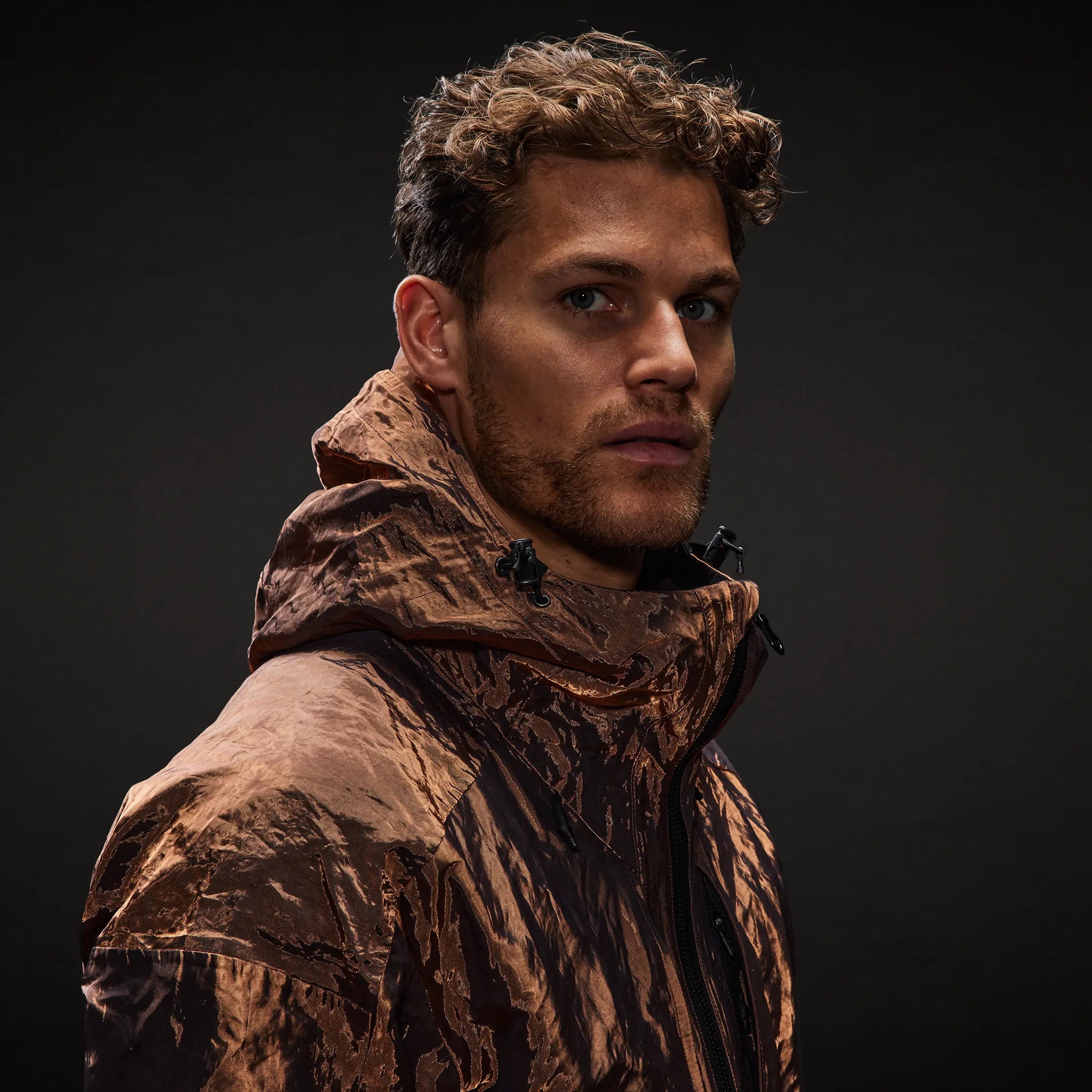
Materials & Color: Leather, heavy canvas, heat-resistant composites, carbon-fiber weaves. Colors are incidental — whatever the material comes in, darkened by forge soot and wear. A Dravik in full-metal copper-weave is wearing the same material the Arcis use for their most expensive jackets; the Dravik just doesn't bother keeping it clean. Guild patches provide the only deliberate color coding.
Dorsans — The Uniformed Builders
The Dorsans dress like a military that builds instead of fights — formal, rank-conscious, and monumental even off-duty.
Silhouette: Sharp, squared shoulders, upright posture. The clothing enforces bearing. Even casual Dorsan dress looks like someone took a uniform off and put something almost identical back on.
Key Pieces:
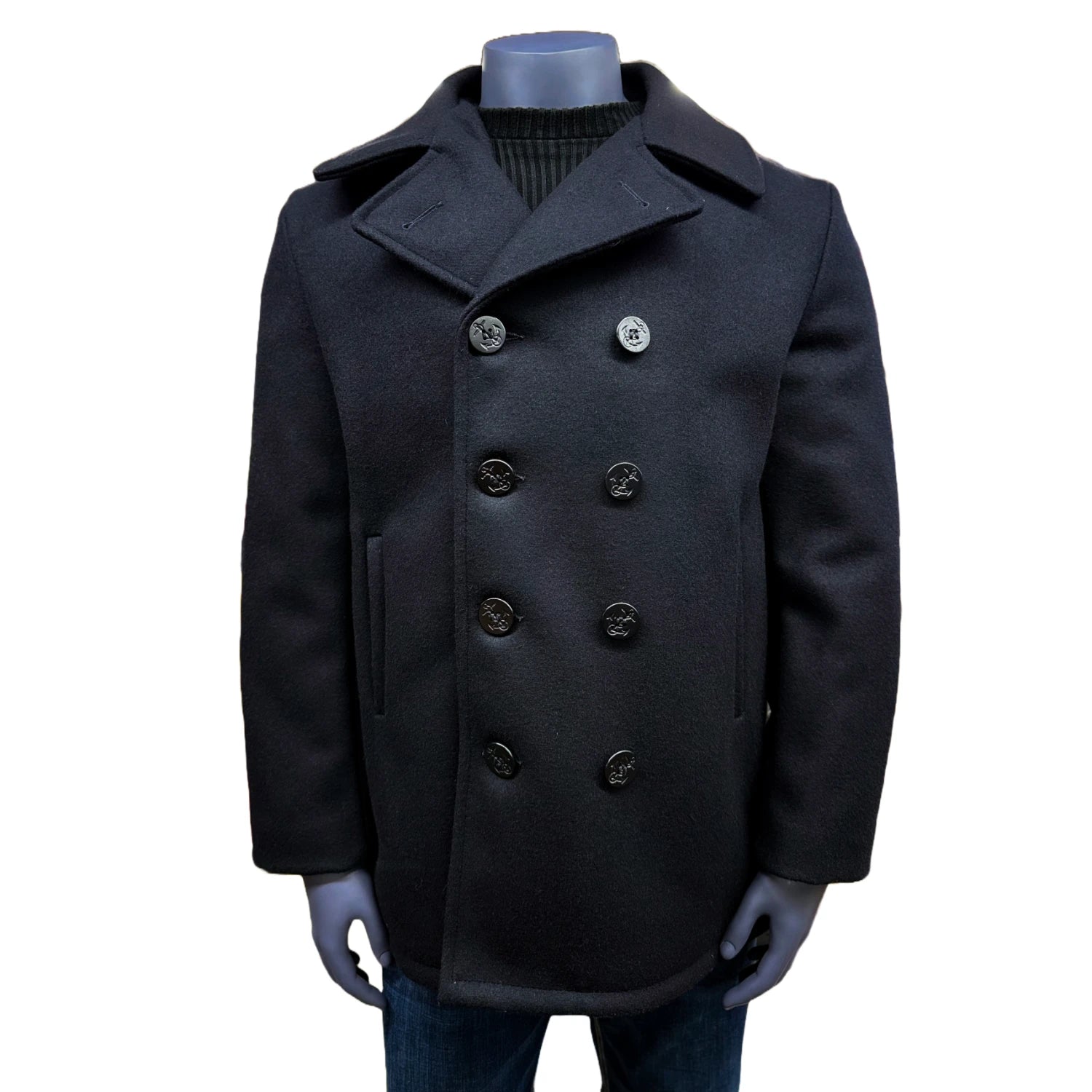
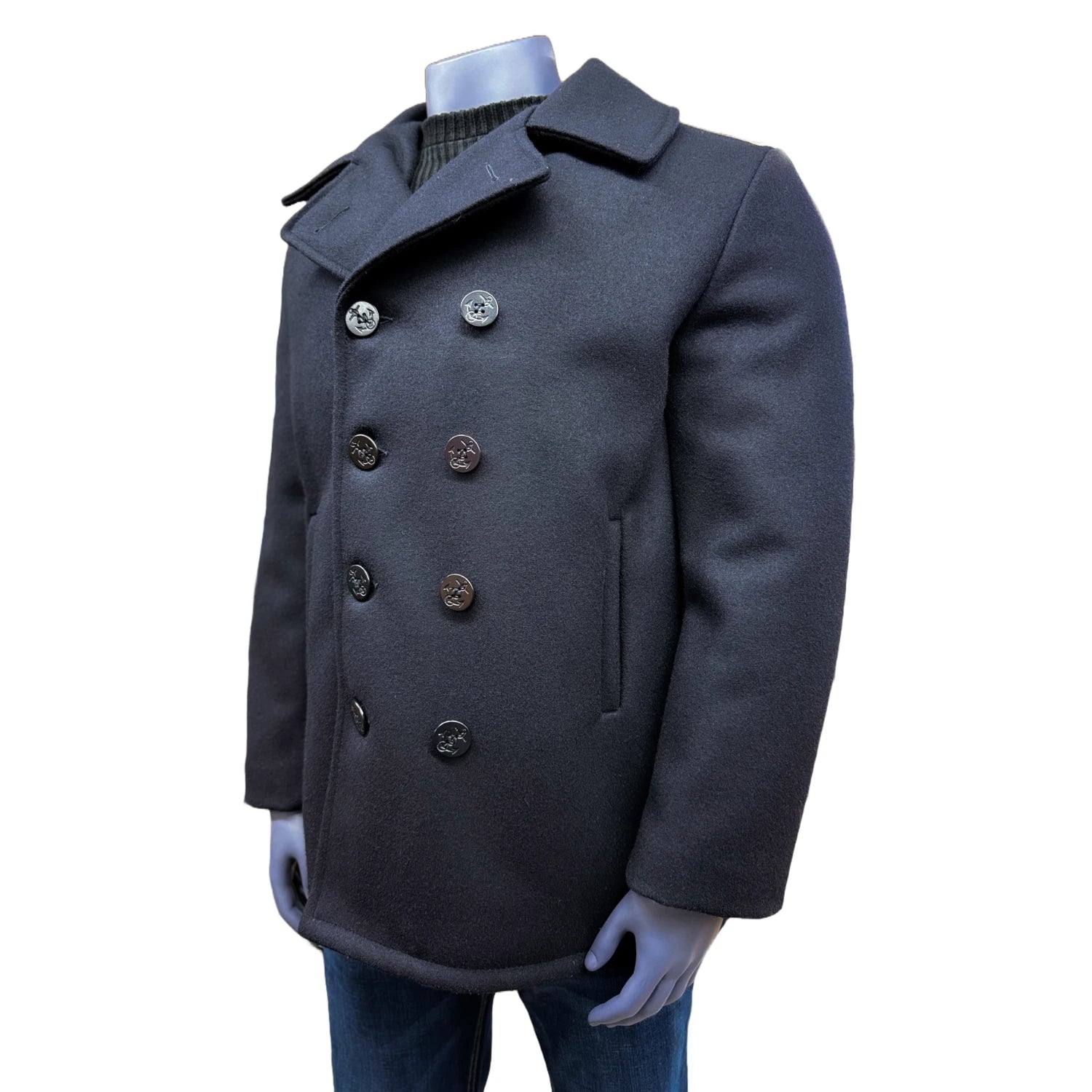
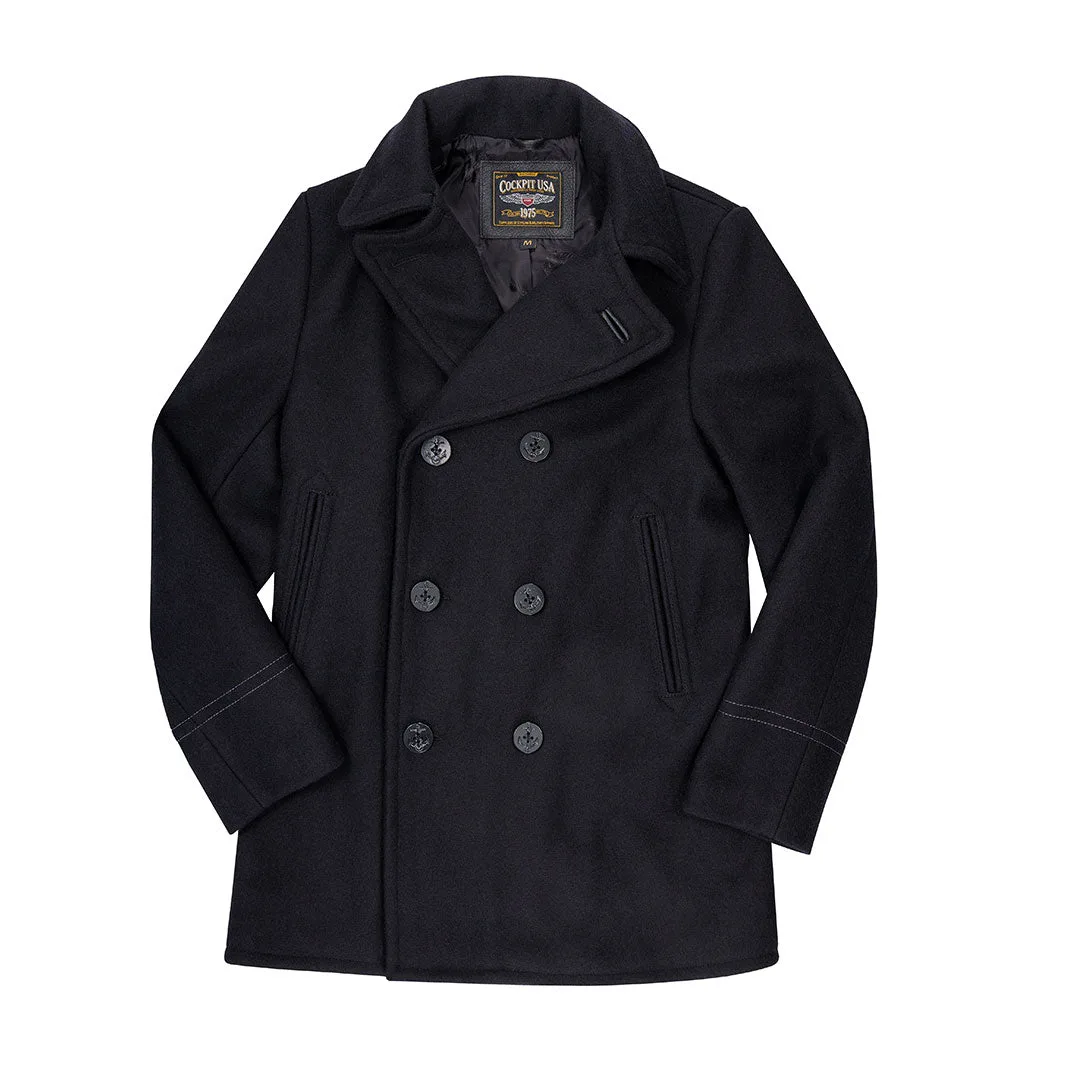
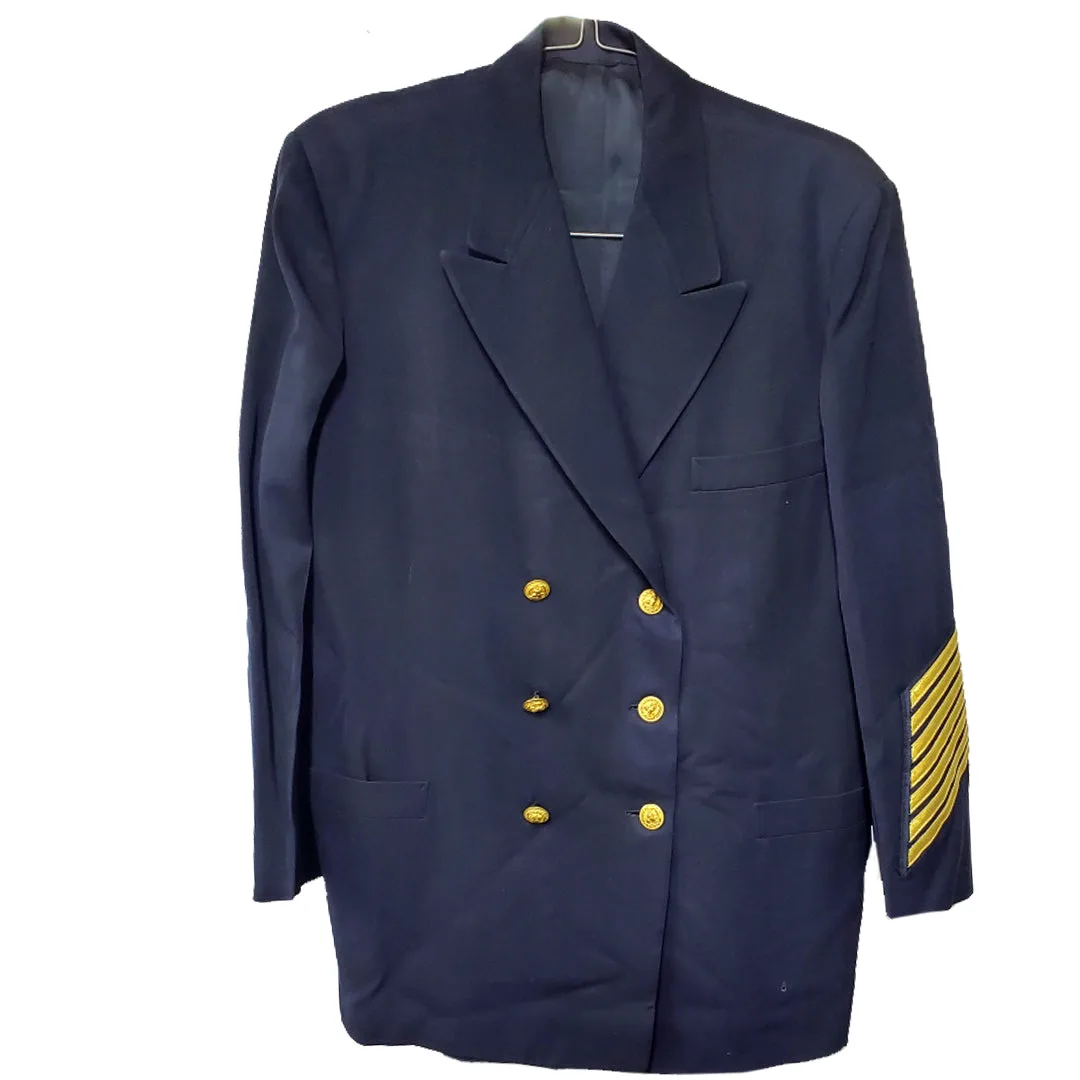
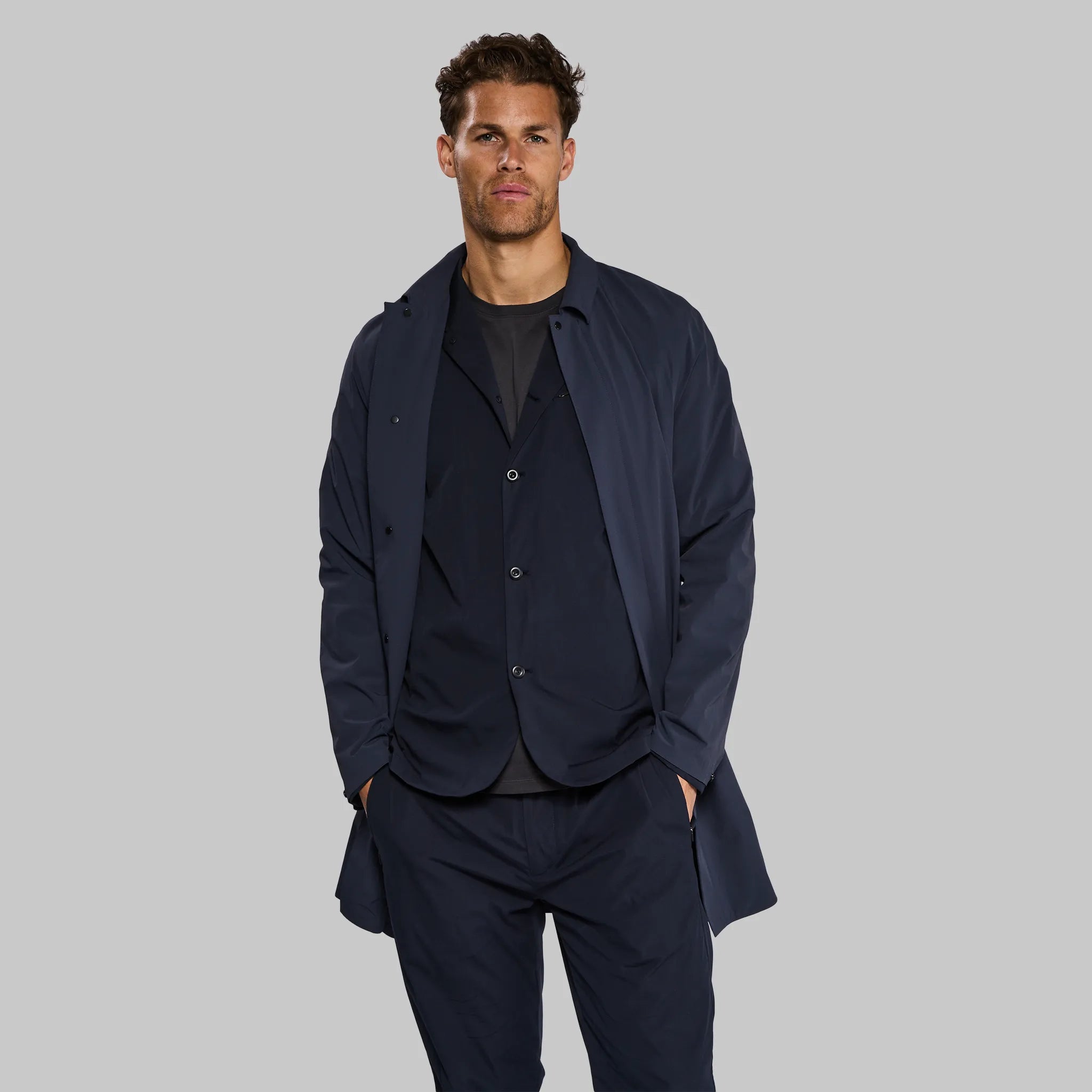
- Double-breasted tunic: the primary garment. The naval bridge coat survived two millennia because authority needs a silhouette, and this one works. Standing collar, brass-tone closures, cut to the hip. Modern versions use composite fabrics rated for shipyard hazards, spark-resistant, vacuum-tolerant, and tailored sharp enough for a commissioning ceremony. Worn on-duty and off.
- Rank insignia: epaulettes on formal dress, collar pins on daily wear. Rank structure is visible and non-negotiable.
- Service ribbons: small colored bars on the left breast, each representing a ship class built, a yard served in, or a notable commission completed. Senior Dorsans' ribbon racks are extensive.
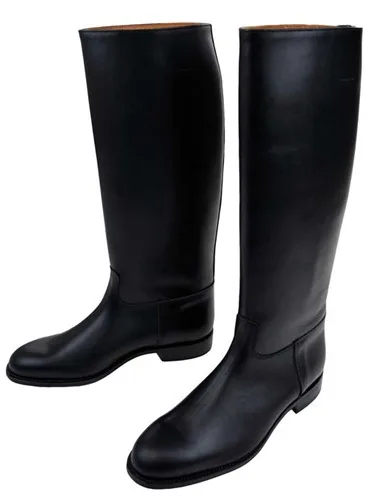
- Dress boots: tall officer boots, polished to a mirror finish. The one piece of uniform maintenance that Dorsans are fanatical about.
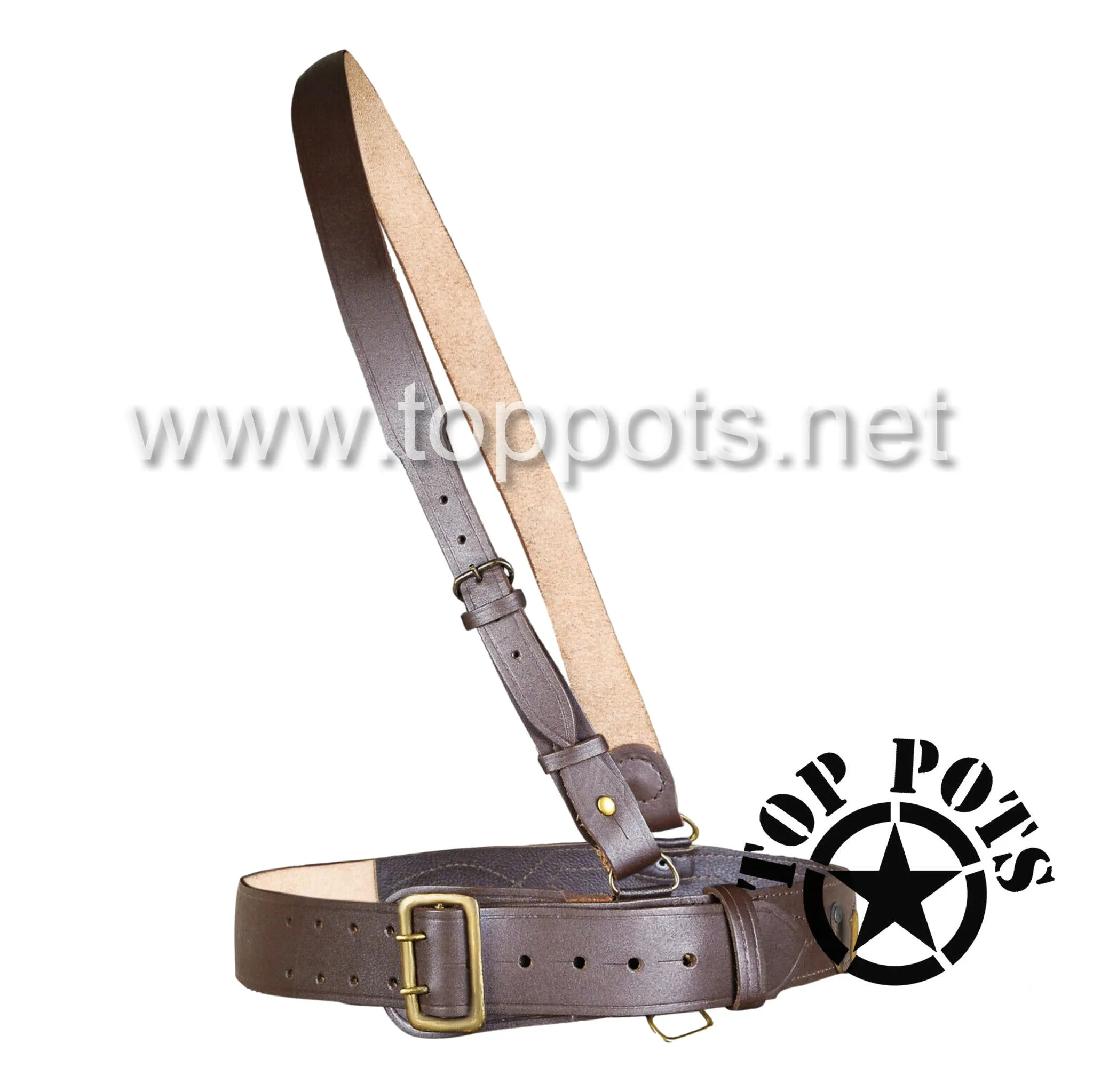
- Sam Browne belt: a cross-body leather belt worn diagonally from shoulder to hip, originally functional for carrying tools, now largely ceremonial but never abandoned.
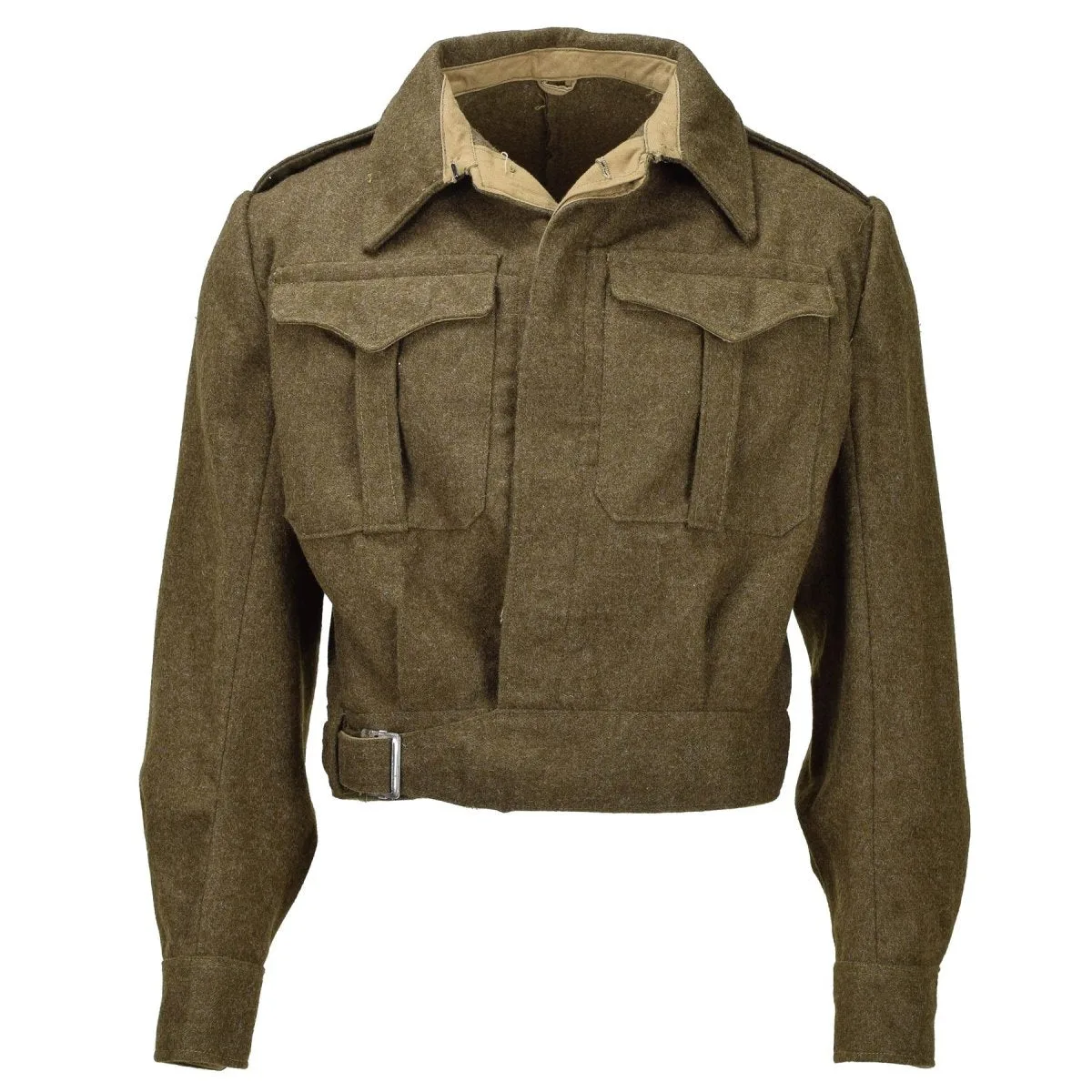
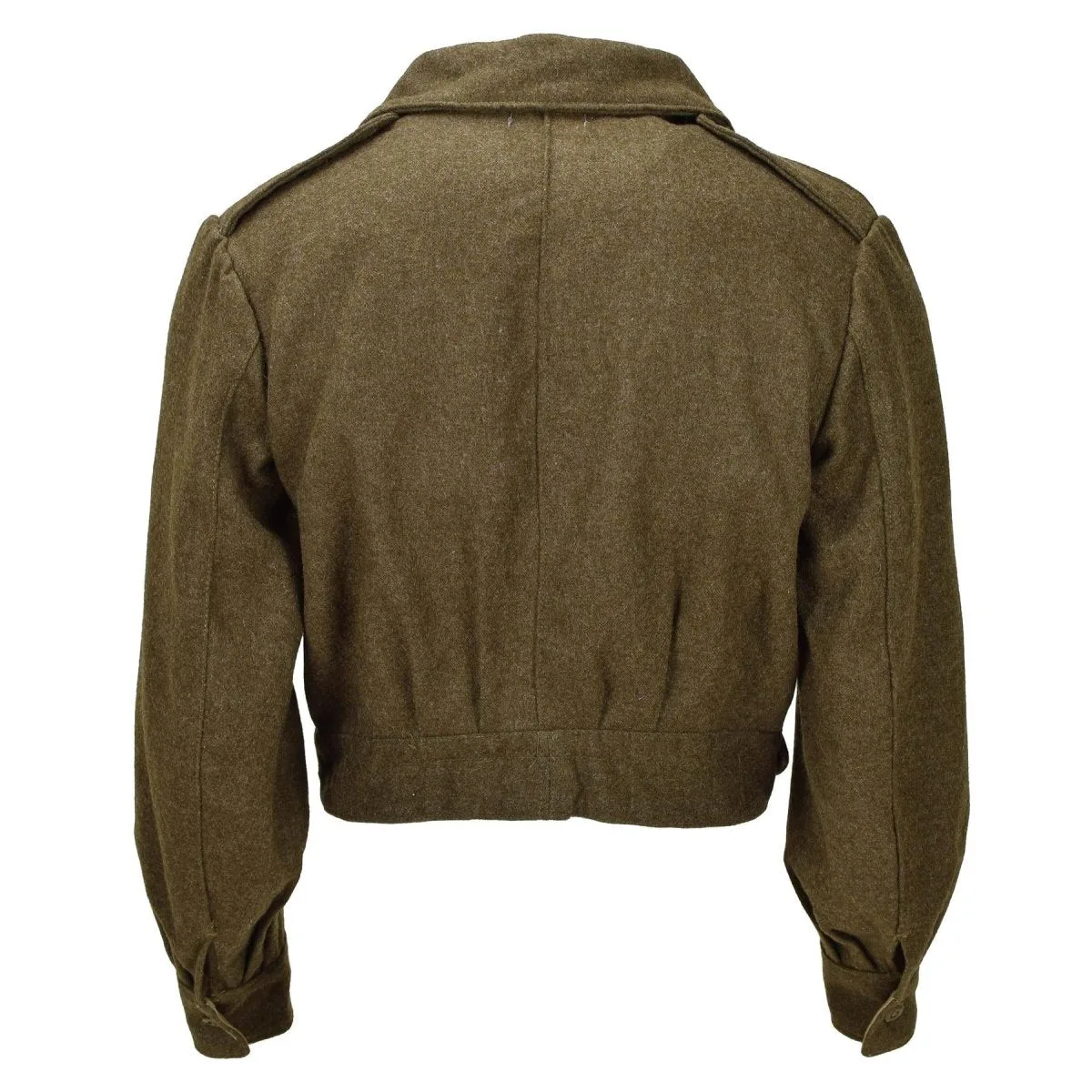
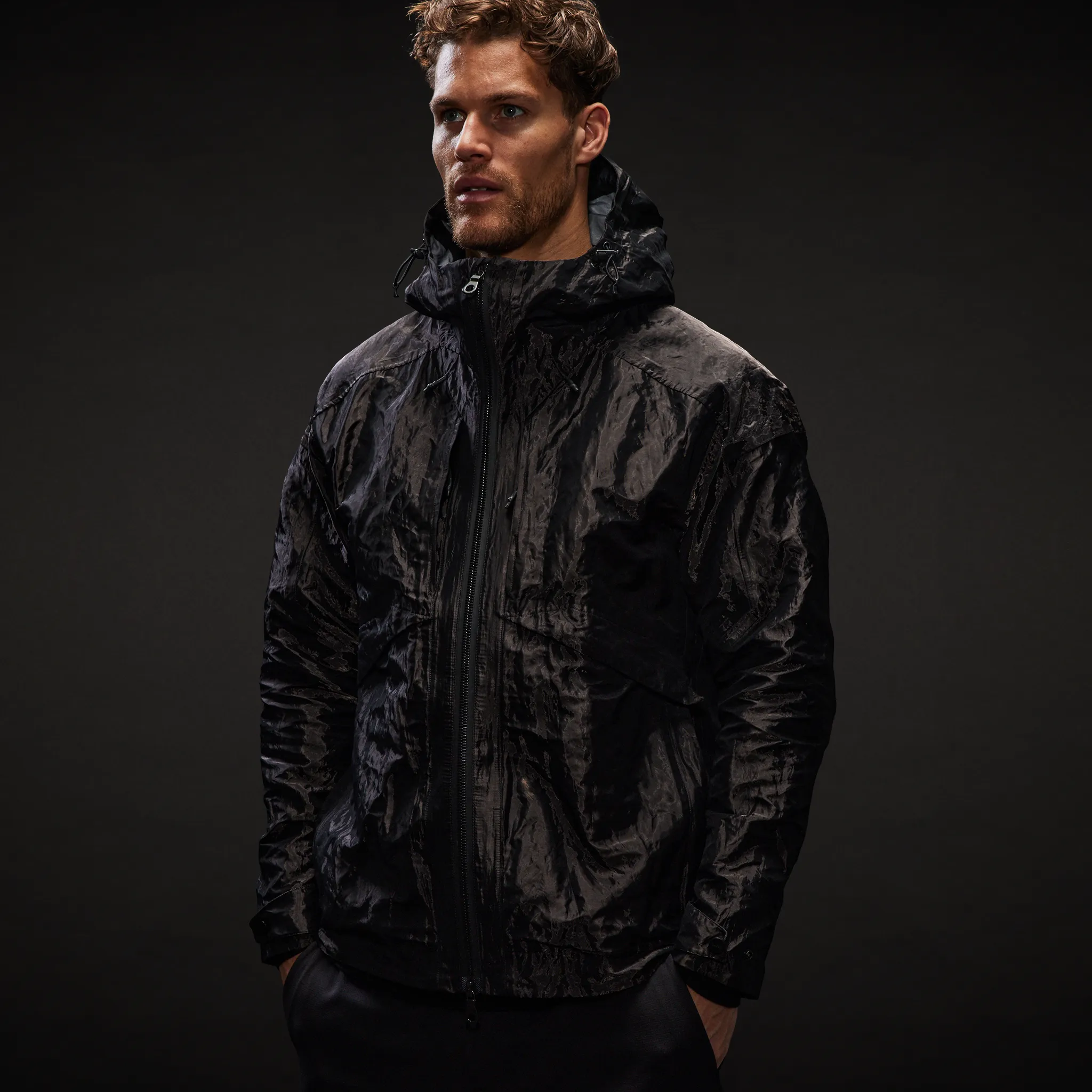
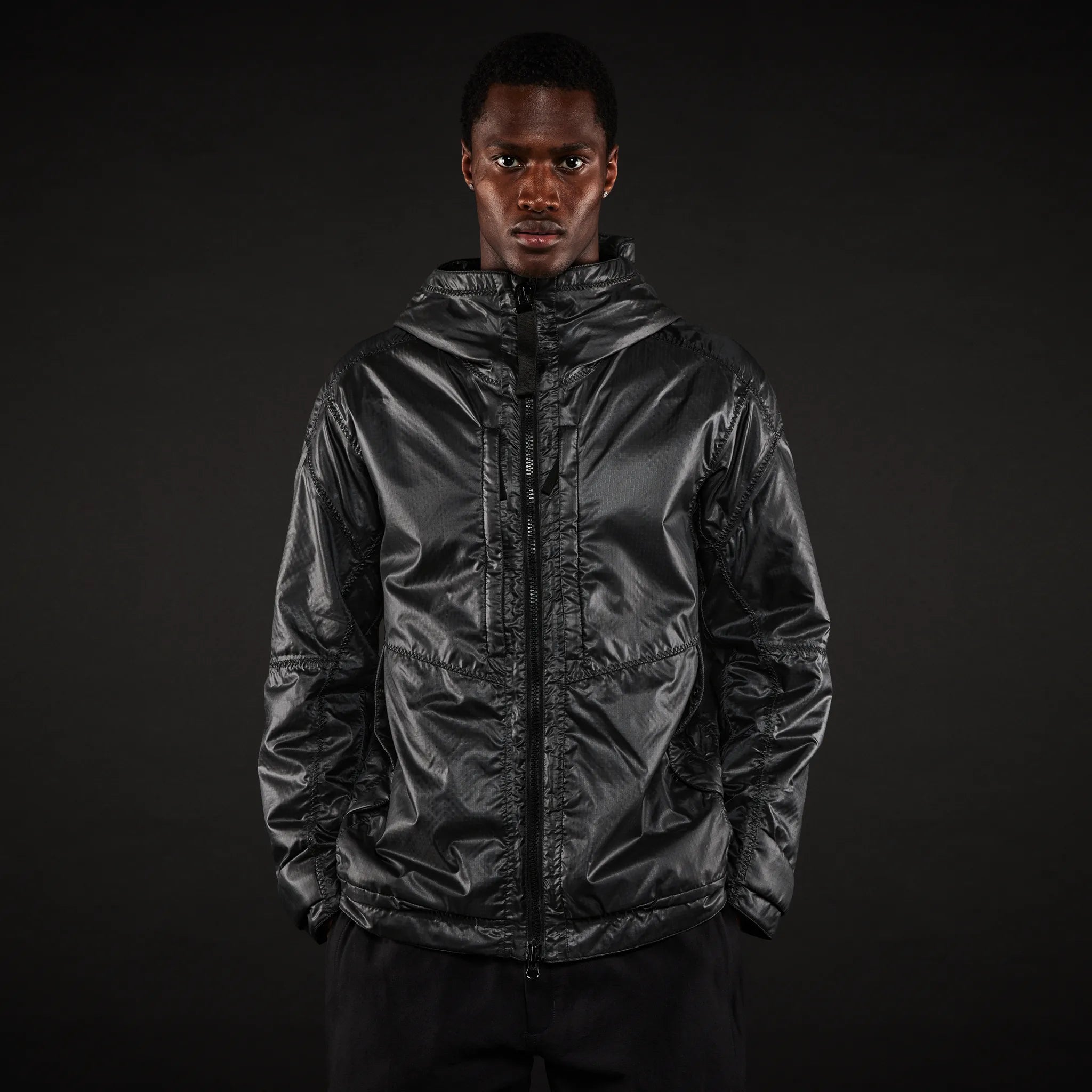
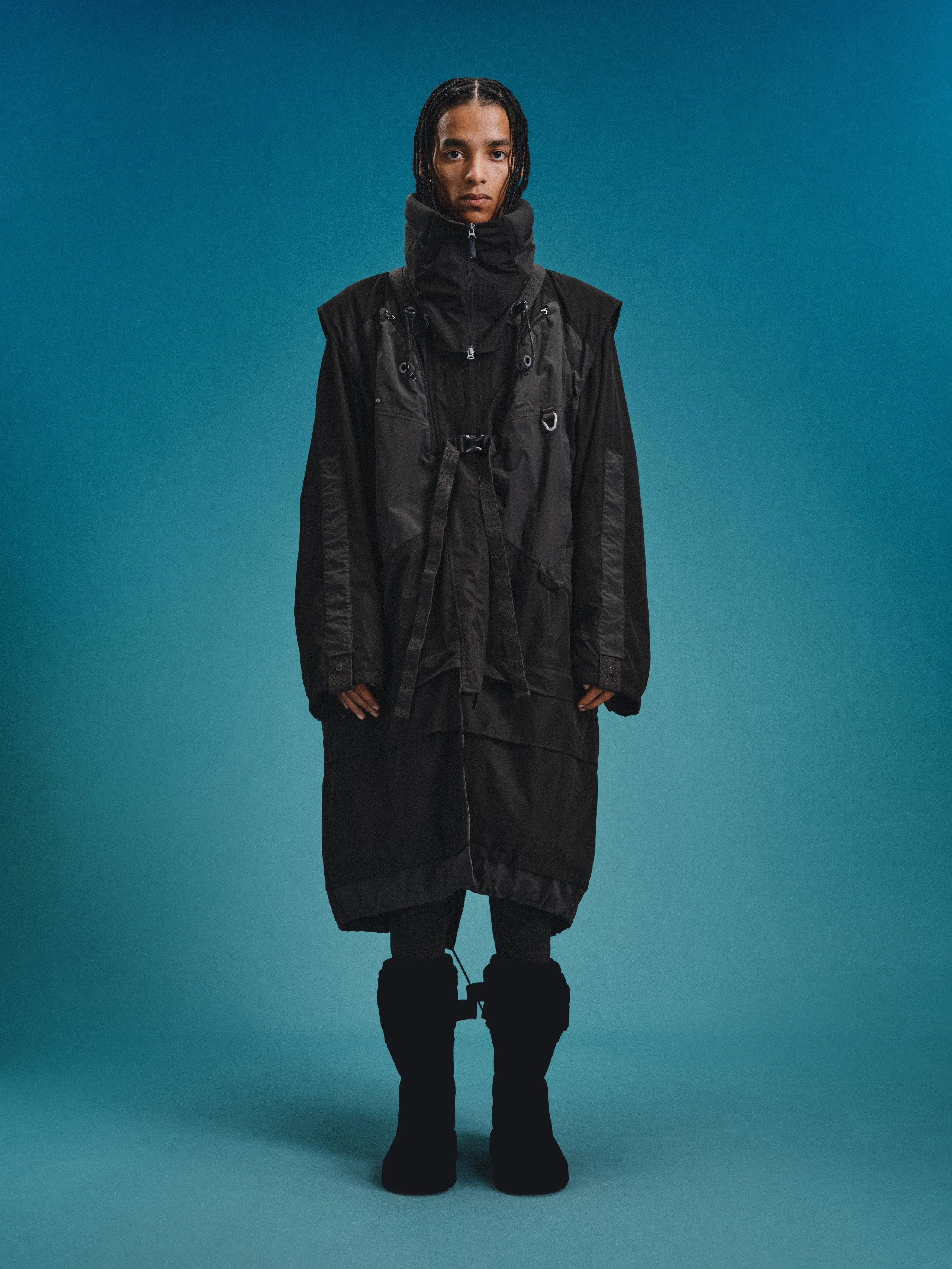
- Yard jacket: the off-duty concession. A shorter, less formal version of the tunic, similar to a peacoat or Eisenhower jacket. Still has collar pins. Still has the silhouette. Some feature metallic-shell composites, the same full-metal fabric used in hull plating, scaled down to jacket weight.
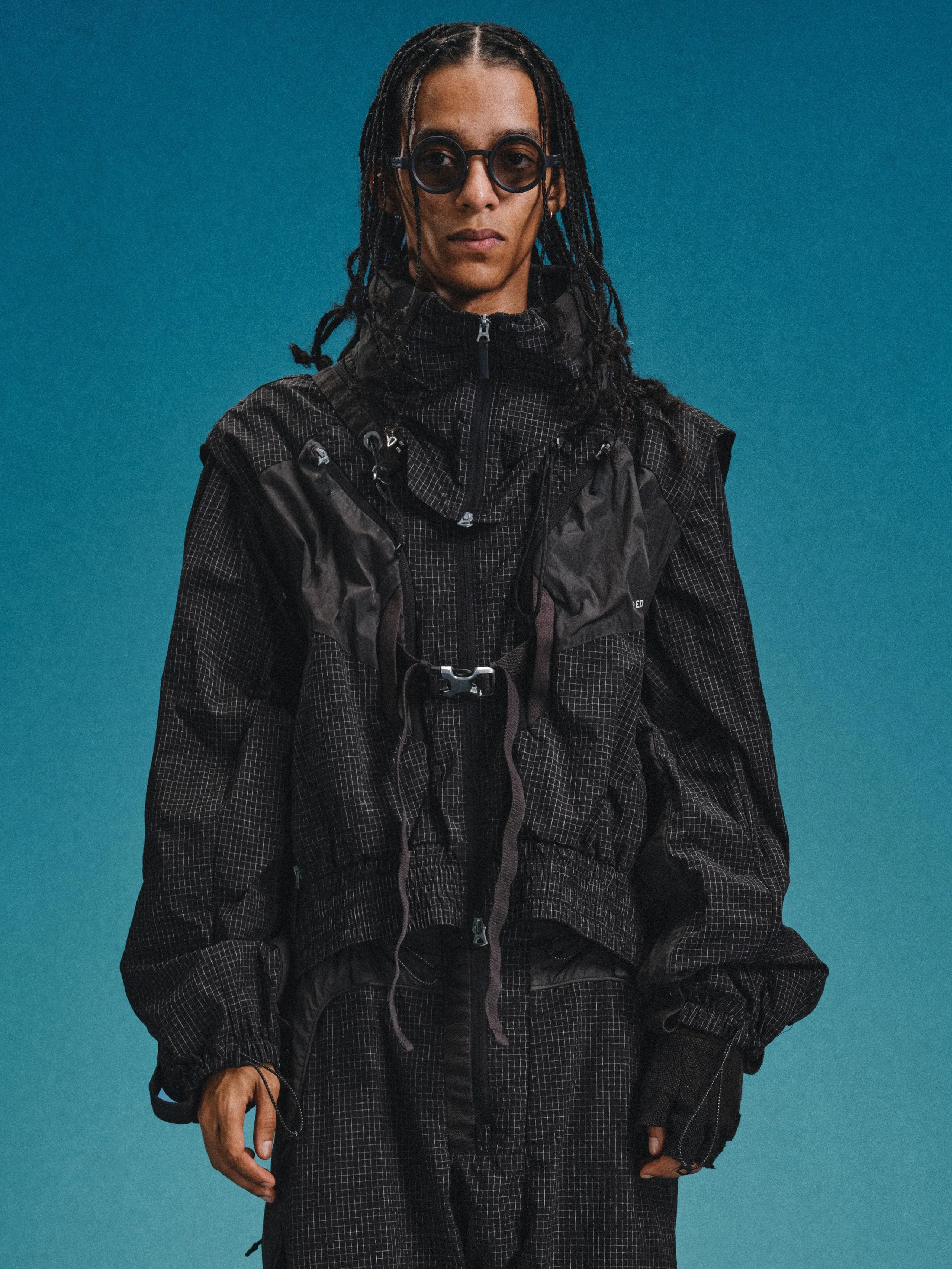
- Operations overcoat: for yard supervisors working exposed sections. Modular, insulated, with reinforced shoulders and integrated comms. Descends from the greatcoat but rebuilt for vacuum-adjacent environments.
- Ship emblems: patches or pins representing specific vessels the wearer helped build. Worn on the right breast, opposite the service ribbons. Building an Explorer-class like the Argent Threshold is a career-defining mark.
Materials & Color: Dark navy and charcoal with brass hardware. Formal dress is black with gold. The palette never varies. The Dorsans are the only culture in the system with something approaching a dress code, and they enforce it through social pressure instead of regulation, which makes it more effective.
Elovar — The Living Weave
Elovar clothing is alive. Not metaphorically. The garments incorporate living organisms, and the line between "wearing" and "symbiosis" blurs deliberately.
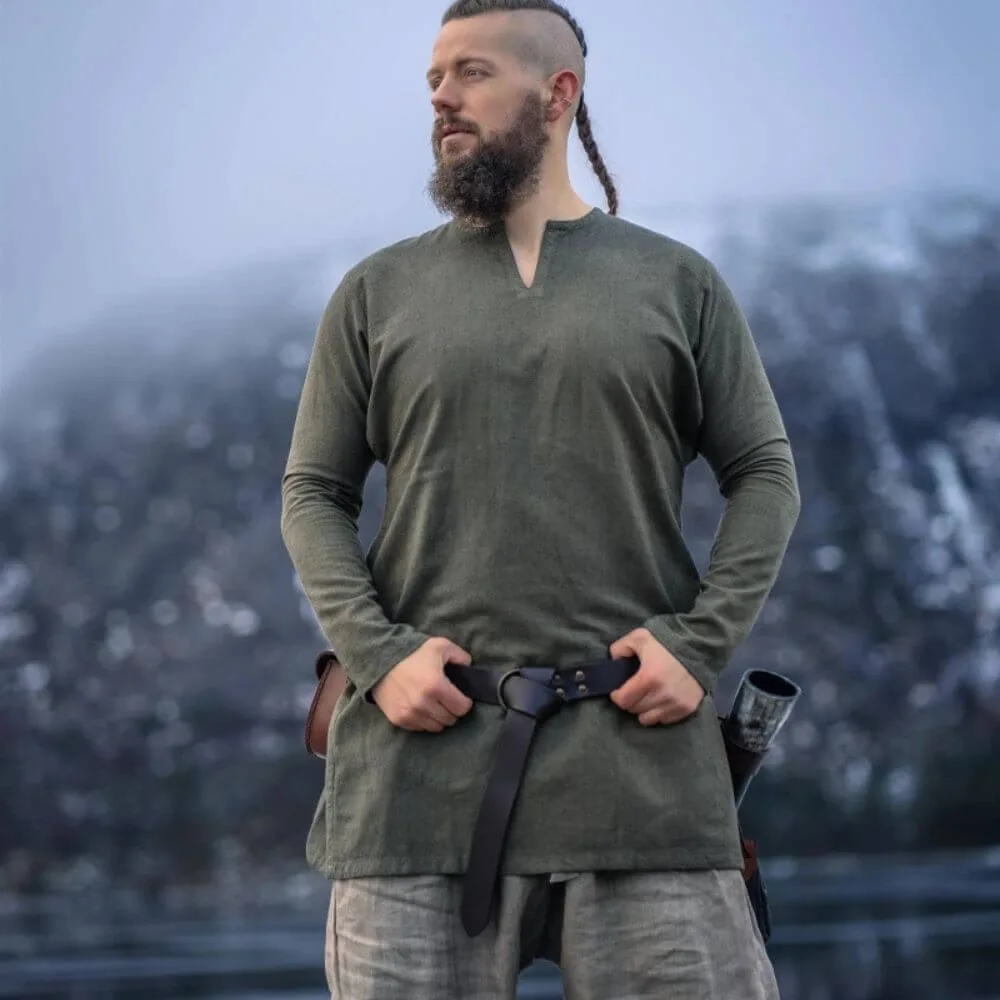
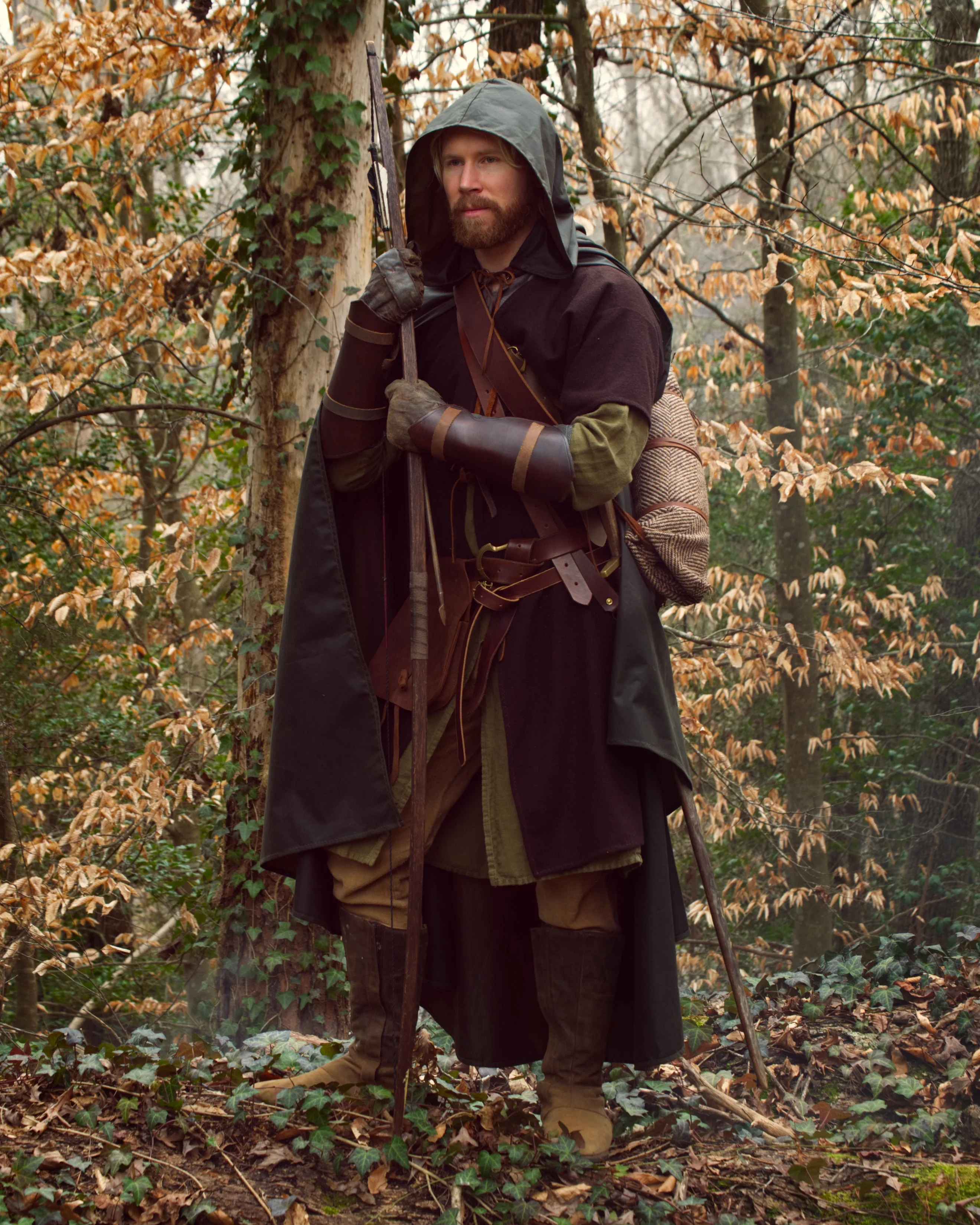
Silhouette: Layered, textured, organic. An Elovar steward dressed for fieldwork looks like part of the forest. That is the point.
Key Pieces:
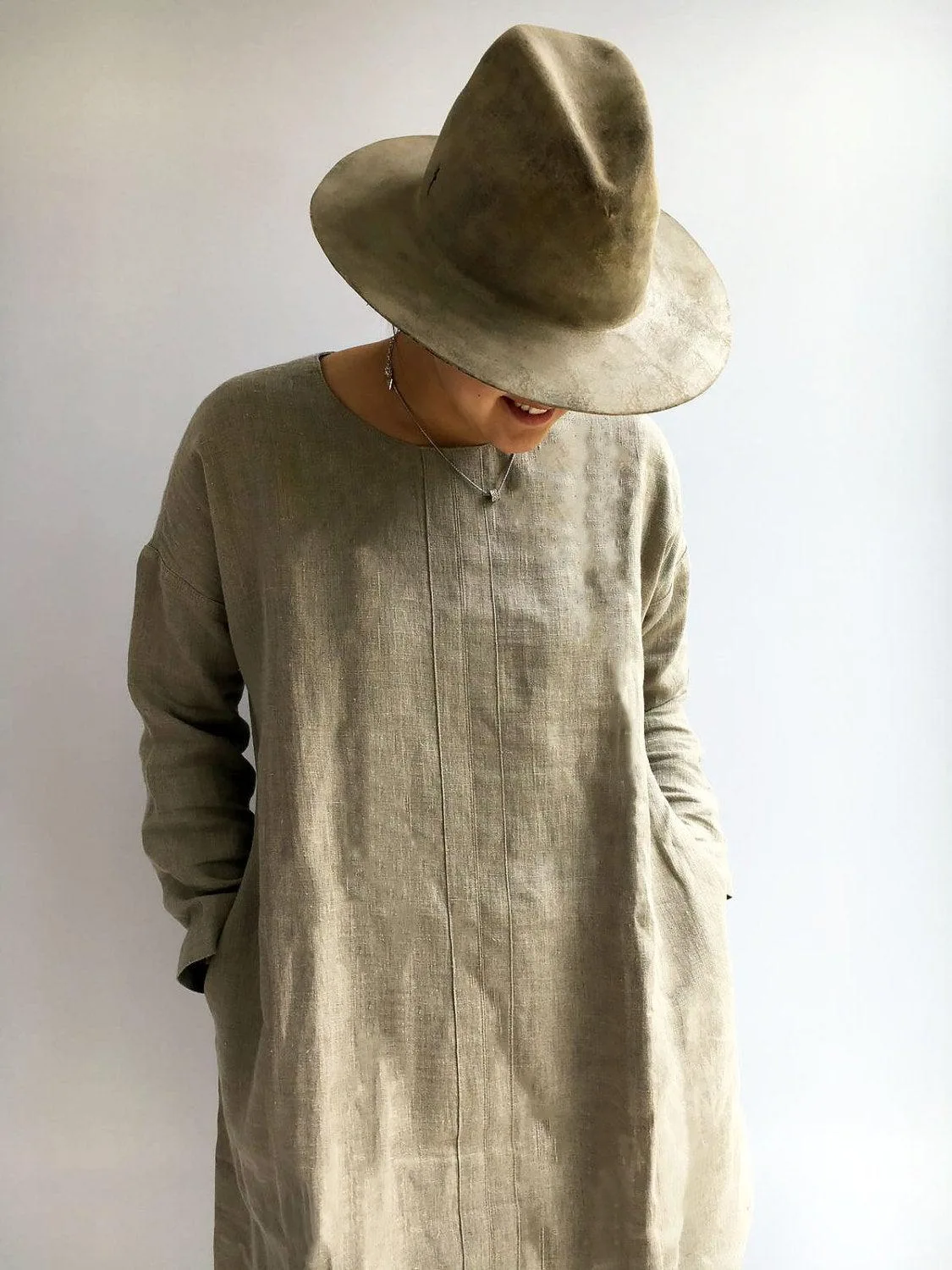
- Bio-integrated tunic: a base garment woven from engineered plant fibers. The fabric regulates body temperature through embedded moss cultures and changes color subtly in response to environmental toxins. Think linen tunic meets living textile.
- Utility harness: similar to a chest rig or ranger harness, worn over the tunic. Carries sampling tools, diagnostic equipment, and seed pouches. Functional, not decorative.
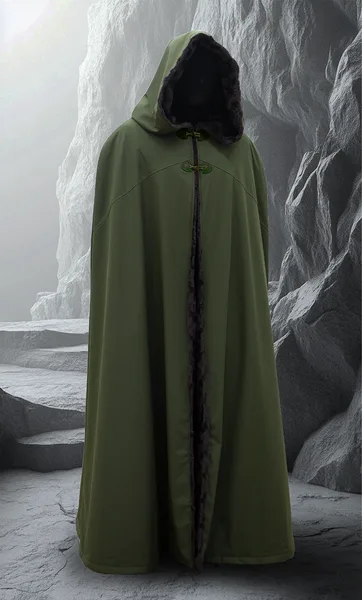
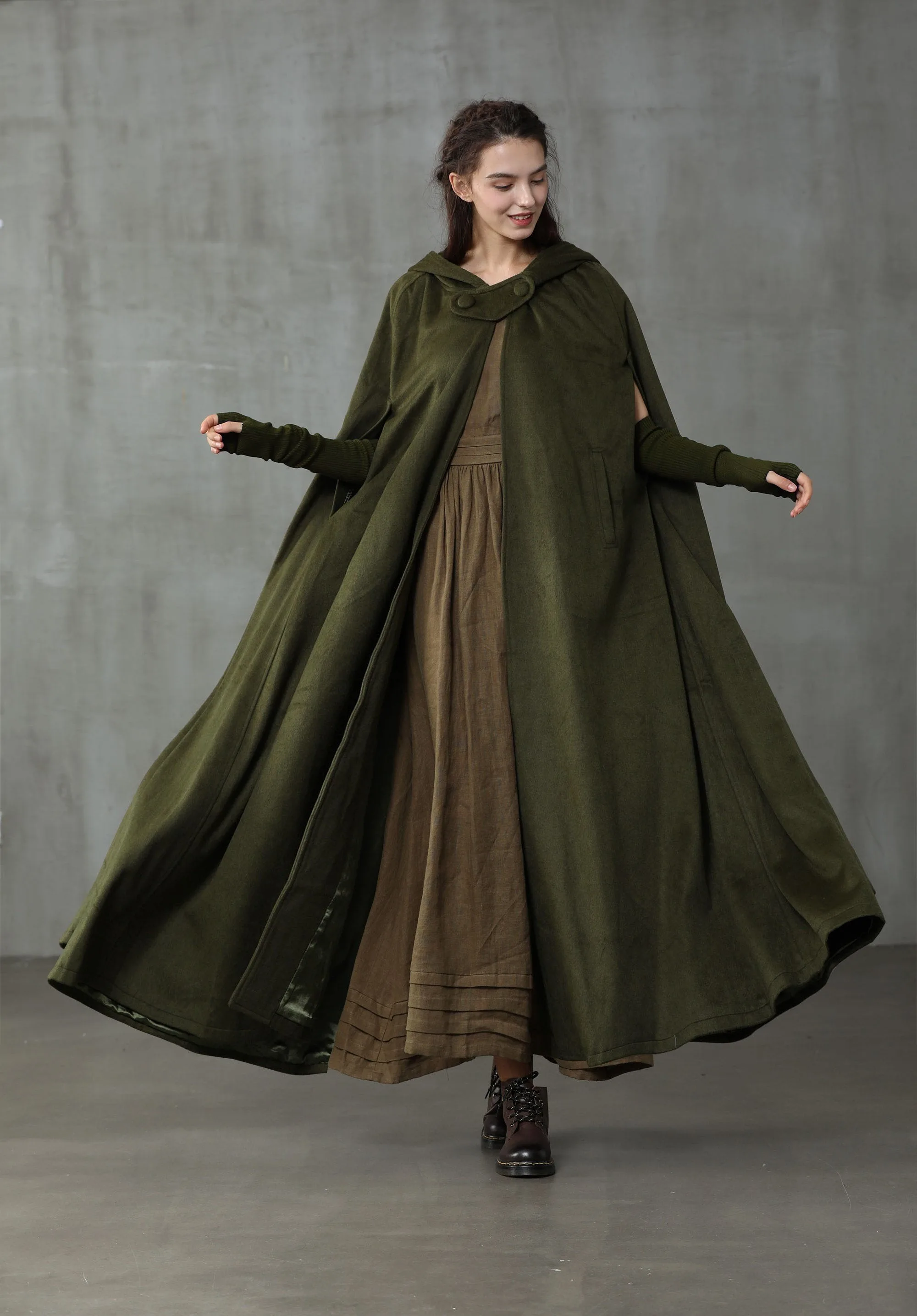
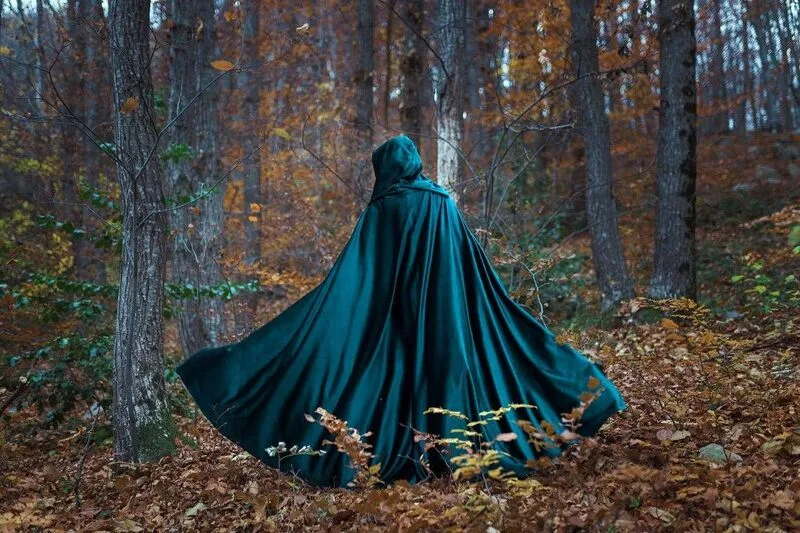
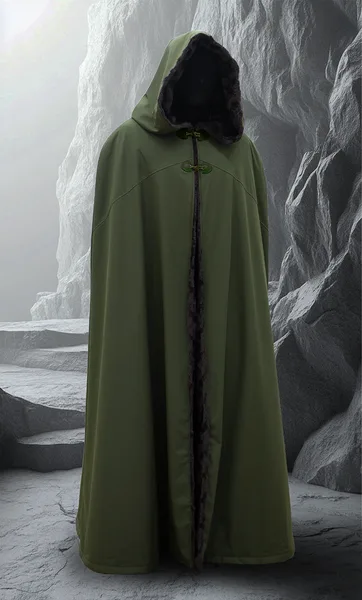
- Draped over-layer: a poncho or hooded cloak for fieldwork, woven from weather-resistant bio-fibers. Often shows faint bioluminescent patterning from the engineered organisms in the weave.
- Field boots: tall, waterproof, designed for traversing multiple biomes in a single day. Similar to hiking boots or Wellington boots depending on terrain assignment.
- Living accessories: bracelets of cultivated vine, hair ties of braided moss, pouches grown from seed-leather. These are not ornaments; many serve as passive environmental monitors.
- Bioluminescent accents: faint glowing elements in the fabric, particularly visible at dusk. Not bright enough to be garish. More like the clothing itself is breathing light.
Materials & Color: Greens and browns and the deep amber of healthy soil, with occasional flashes of bioluminescence. Everything looks organic because it mostly is. The aesthetic goal is to be visually continuous with the landscape.
Ostren — The Preserved Threads
Ostren fashion is not one style but many — each refugee community maintaining and adapting its traditional dress across generations in Trisurus. What they share is the act of preservation: the deliberate choice to keep wearing the clothes of a dead world.
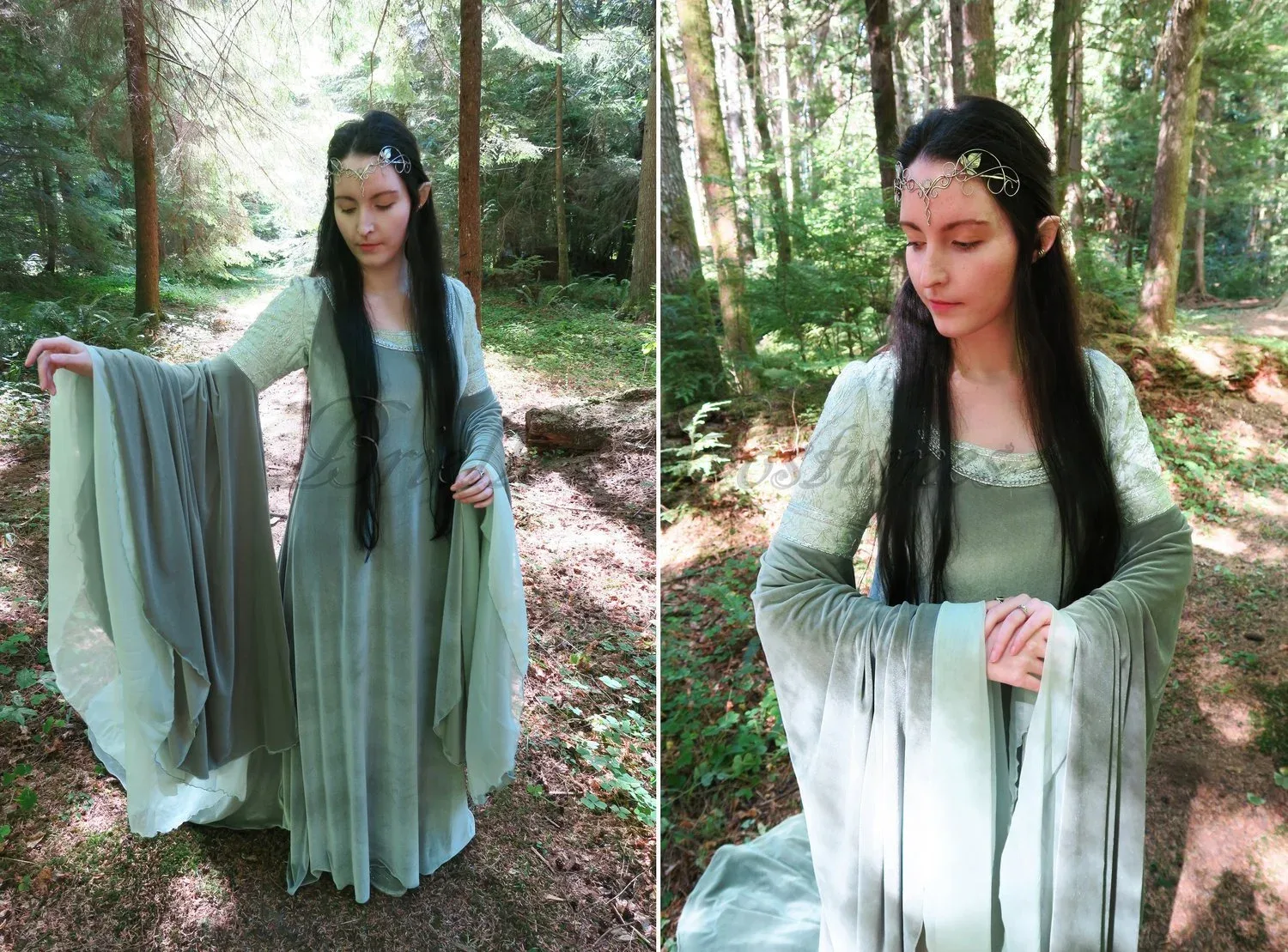
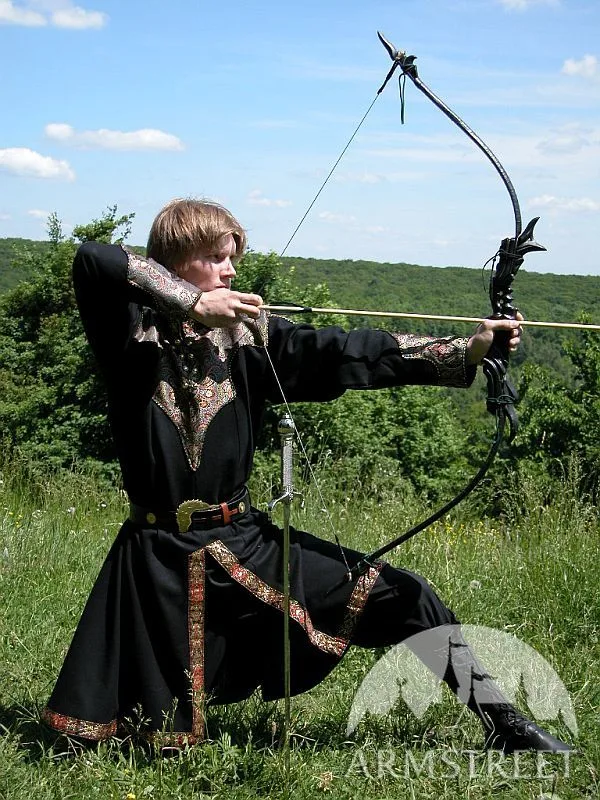
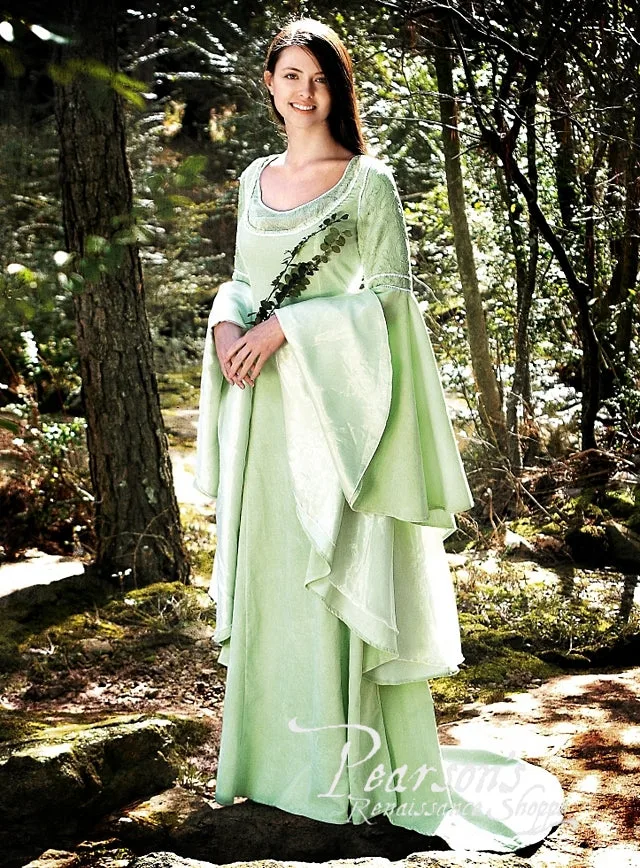
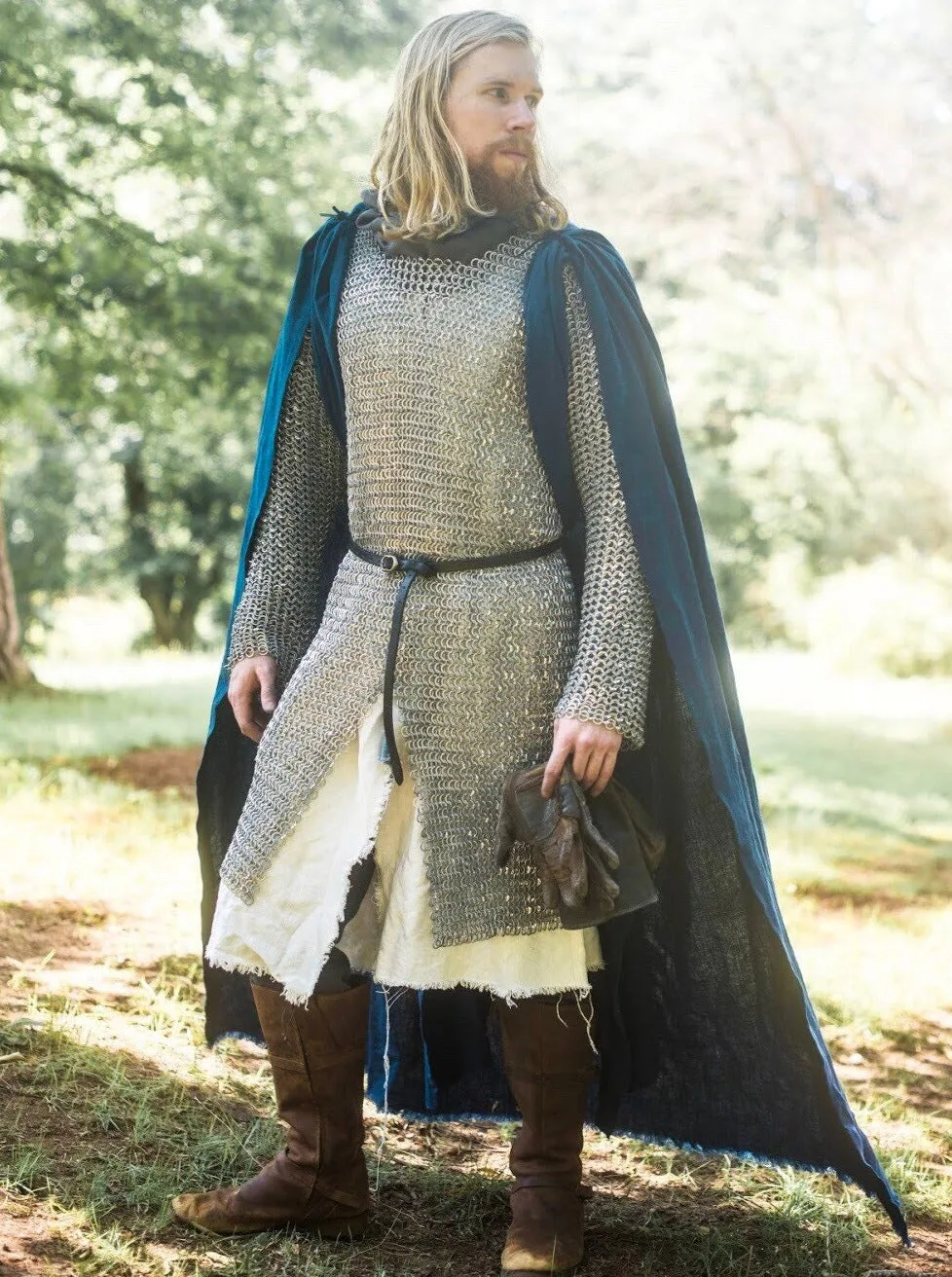
Sylvan Remnant (3,000 years integrated):
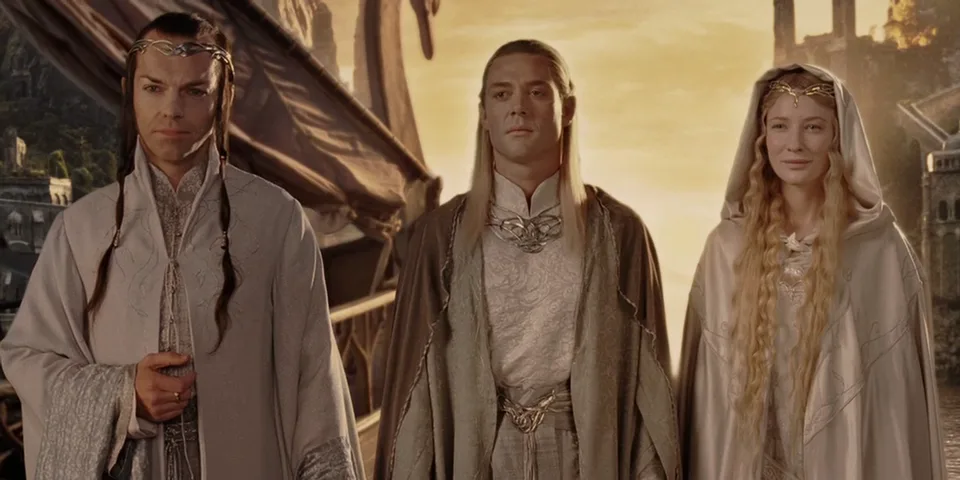
- Flowing, elvish-inspired garments: long tunics, draped stola-style wraps, embroidered sashes
- Nature motifs: leaf patterns, vine embroidery, floral brocade
- Silvery and green palettes, translucent layered fabrics
- After three millennia, Sylvan dress has influenced mainstream Trisuran fashion more than most realize; many "classic Trisuran" garments are Sylvan in origin

Khelvar (5 years, minimally integrated):
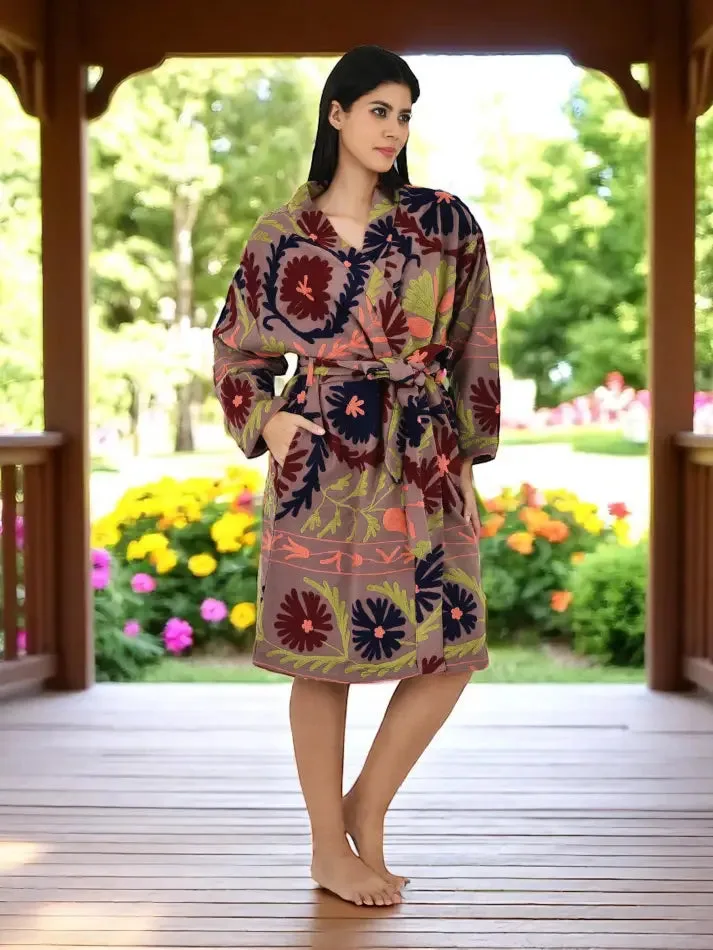
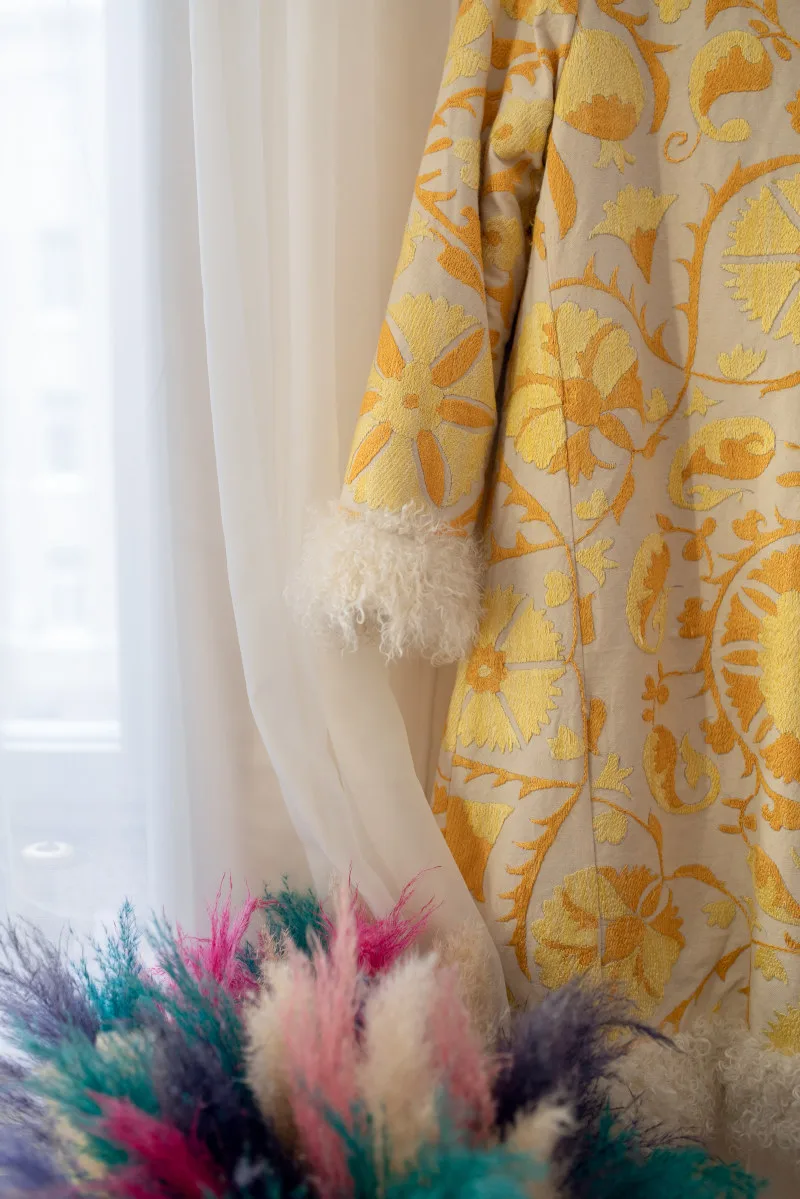
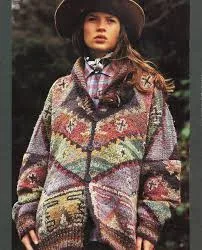
- Long suzani-embroidered coats and open-front robes, worn loose over wrapped layers, every stitch a record of herd lineage and regional origin from the lost homeworld
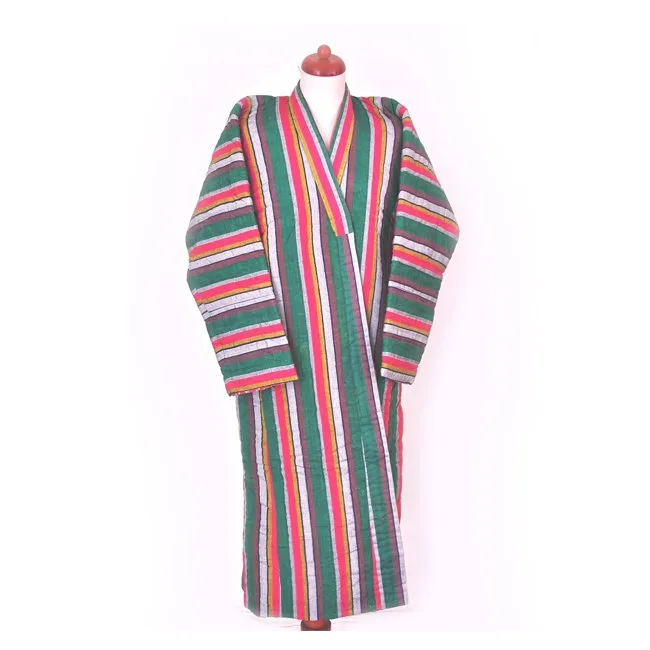
- Ikat-woven chapan coats in deep earth tones; the handwoven fabric technique survived the evacuation because the song-keepers memorized the dye recipes alongside the history
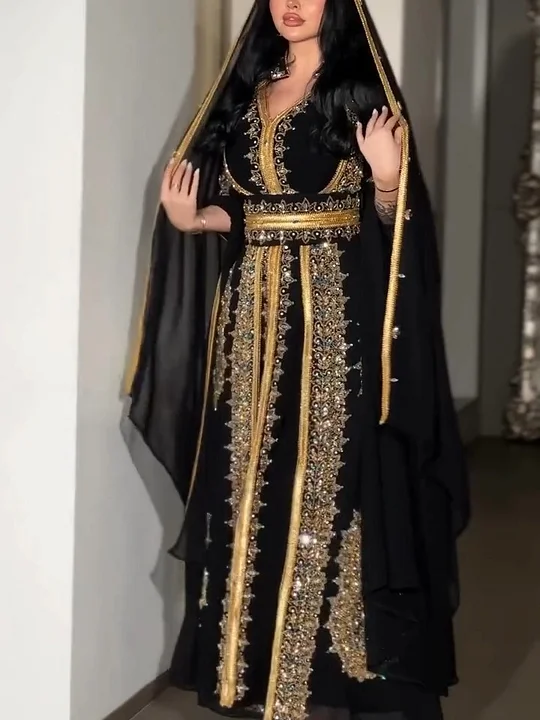
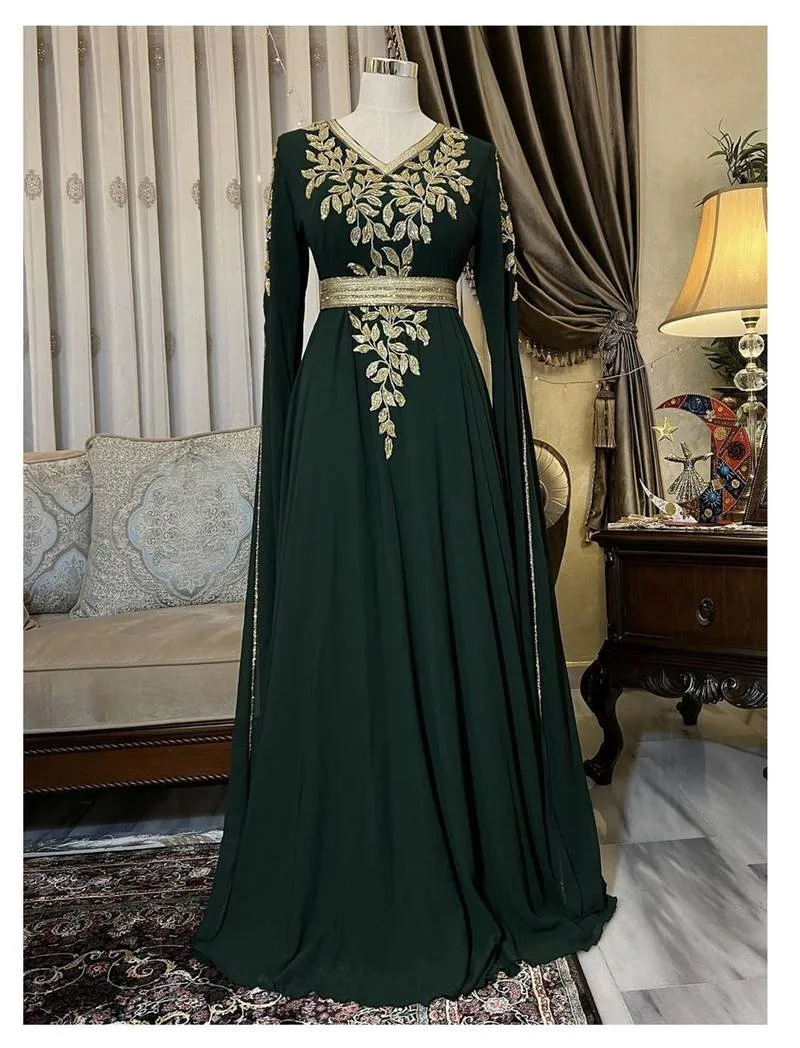
- Formal kaftan gowns in black or forest green with gold geometric beadwork, reserved for the Remembering and herd gatherings, the closest thing the Khelvar have to ceremonial dress
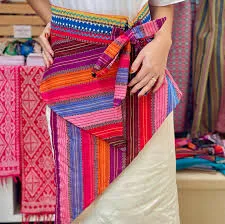
- Kilim-patterned textiles used as wraps, sashes, and wall hangings; geometric motifs encoding clan identity, each diamond, chevron, and stepped pattern carrying meaning that machines can replicate but never read
- Heavy handwoven fabrics, coarse by Trisuran standards. Machines can produce identical textiles in seconds. Most Khelvar still loom their own, because the making is the memory
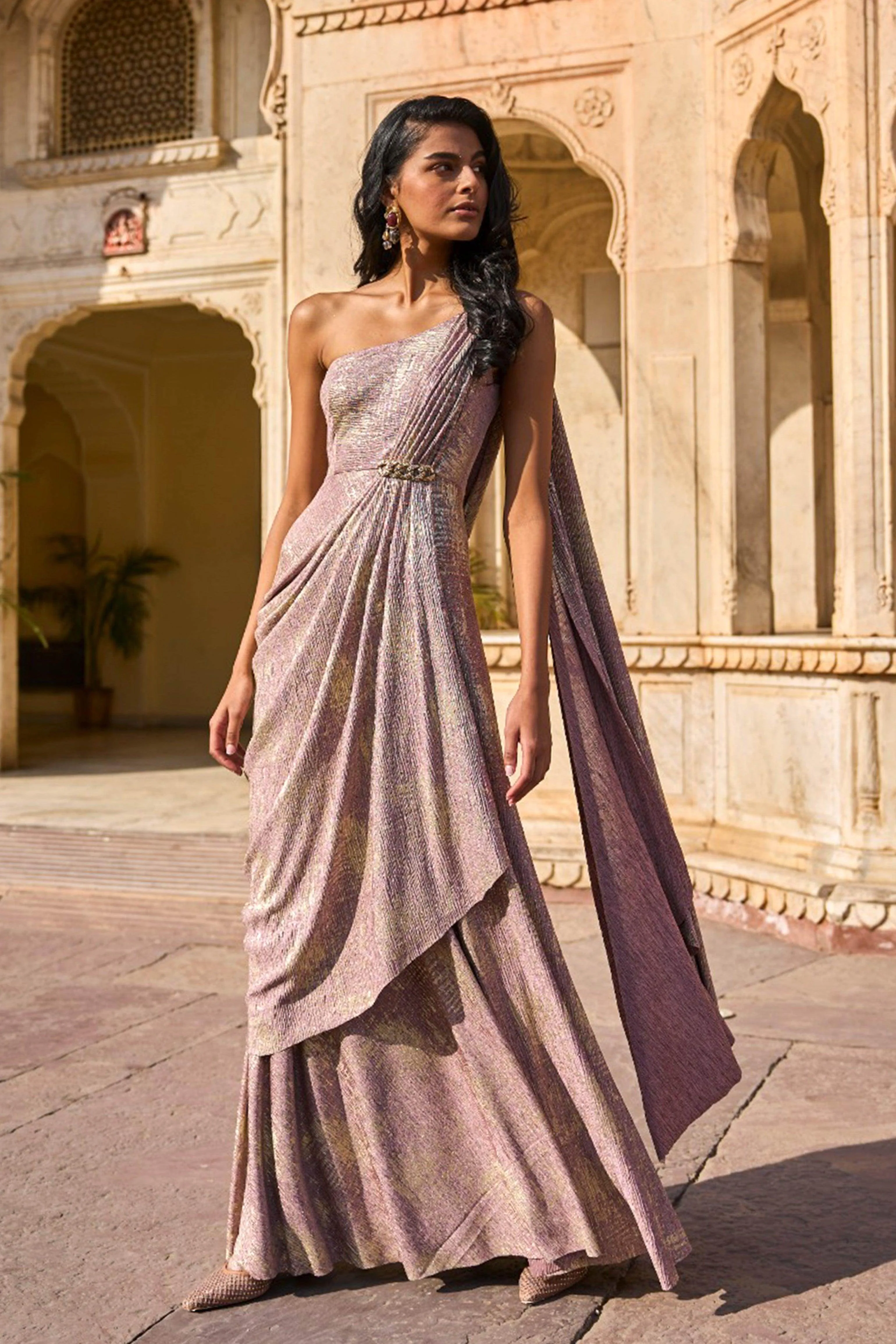
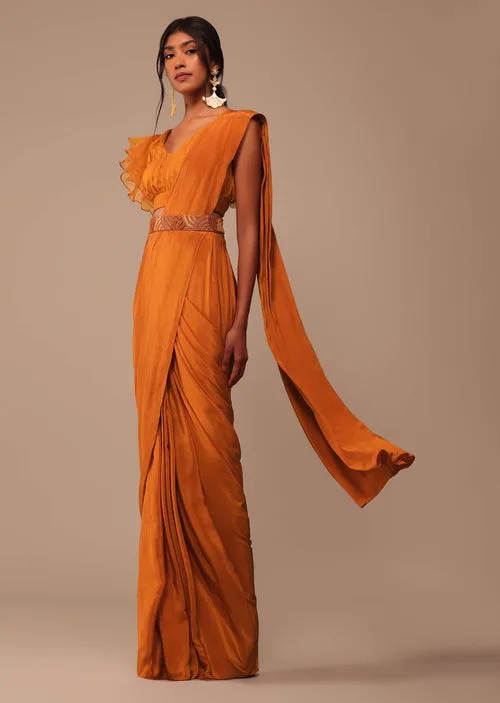
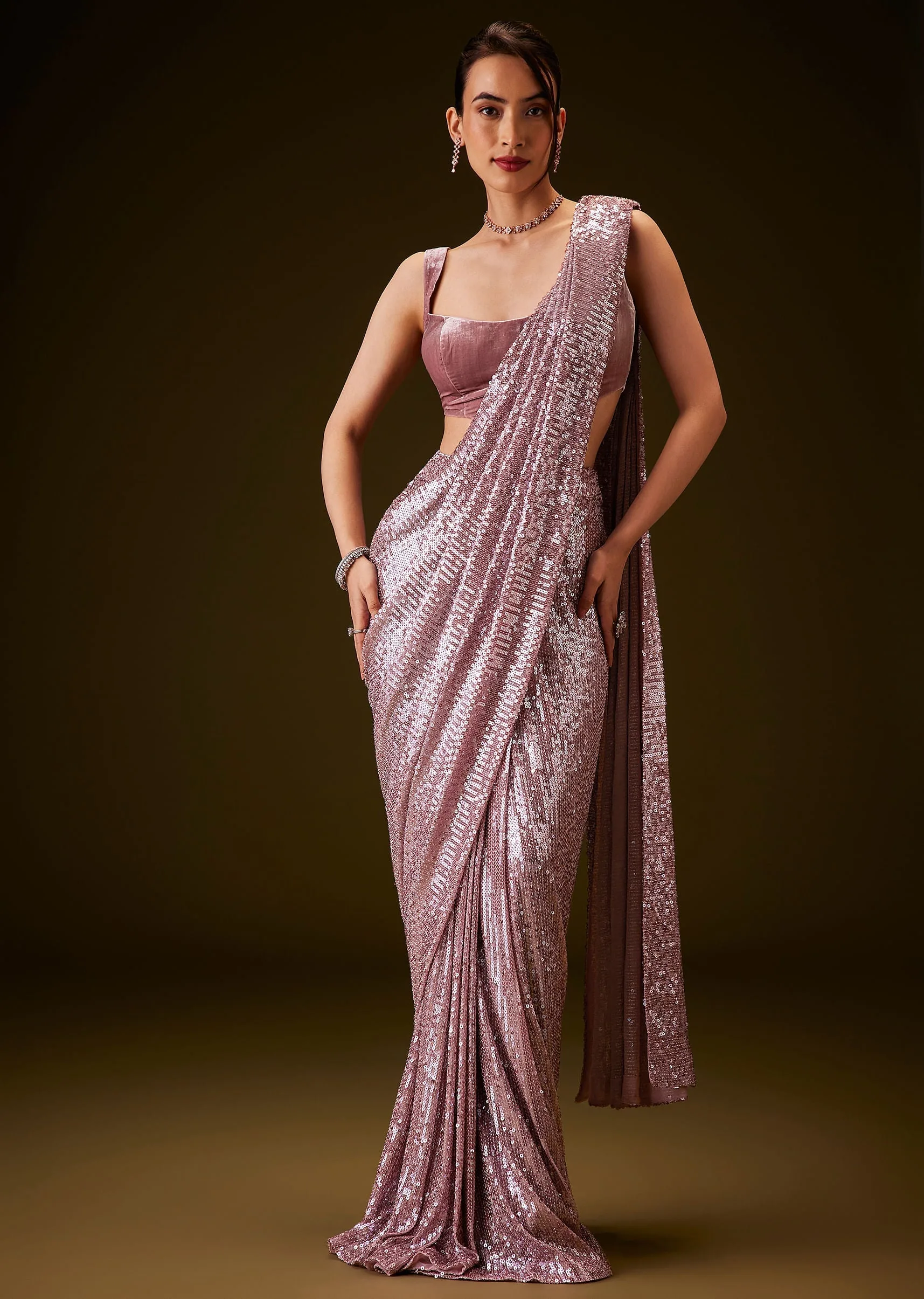
Mirathene Diaspora (~100 years, partially integrated):
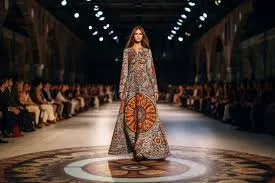
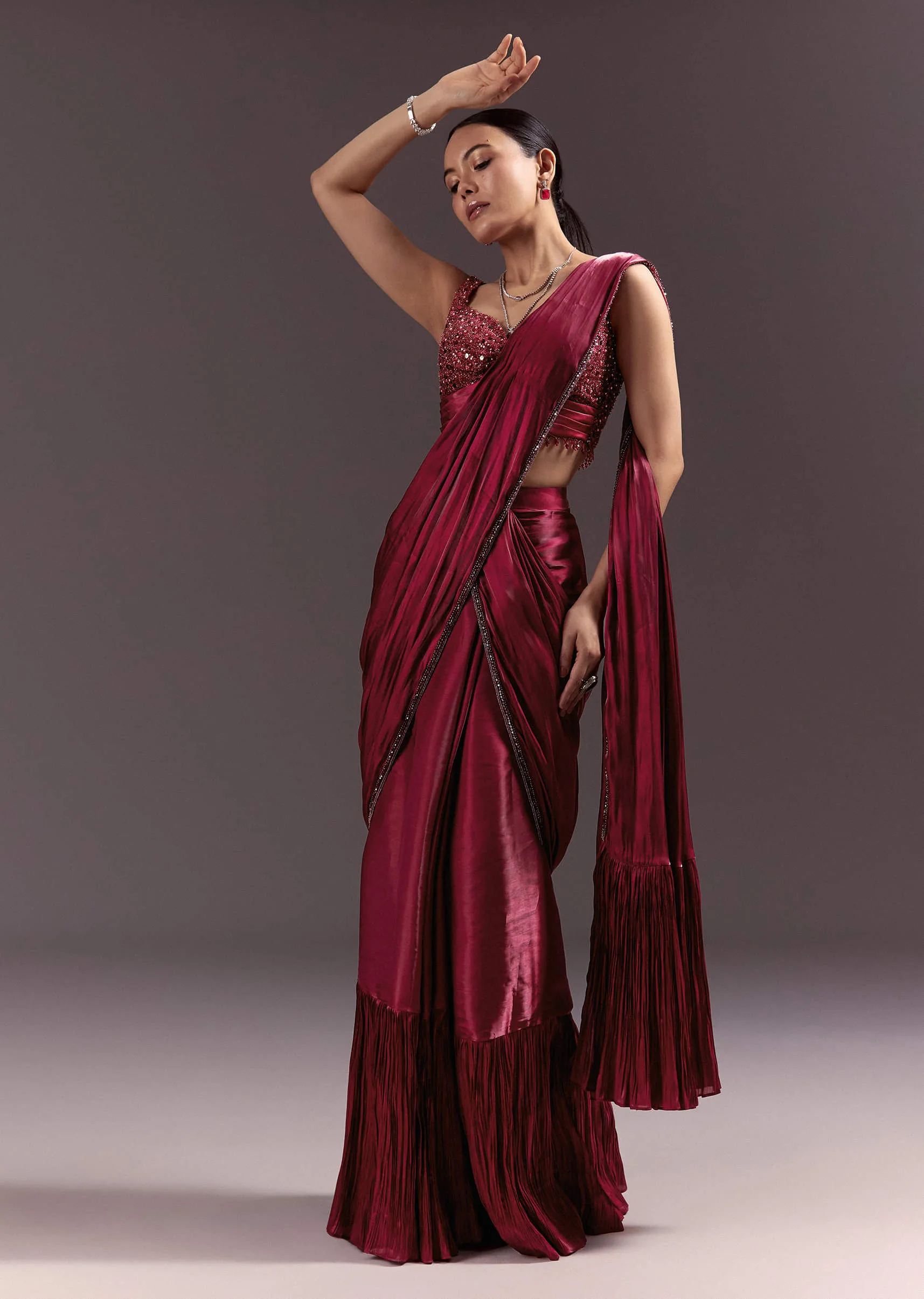
- Sari-draped gowns that blur the line between garment and sculpture, with pre-stitched wrapping over structured blouses and fabric flowing in deliberate cascades that reference ocean currents from a homeworld none of the younger generation ever saw
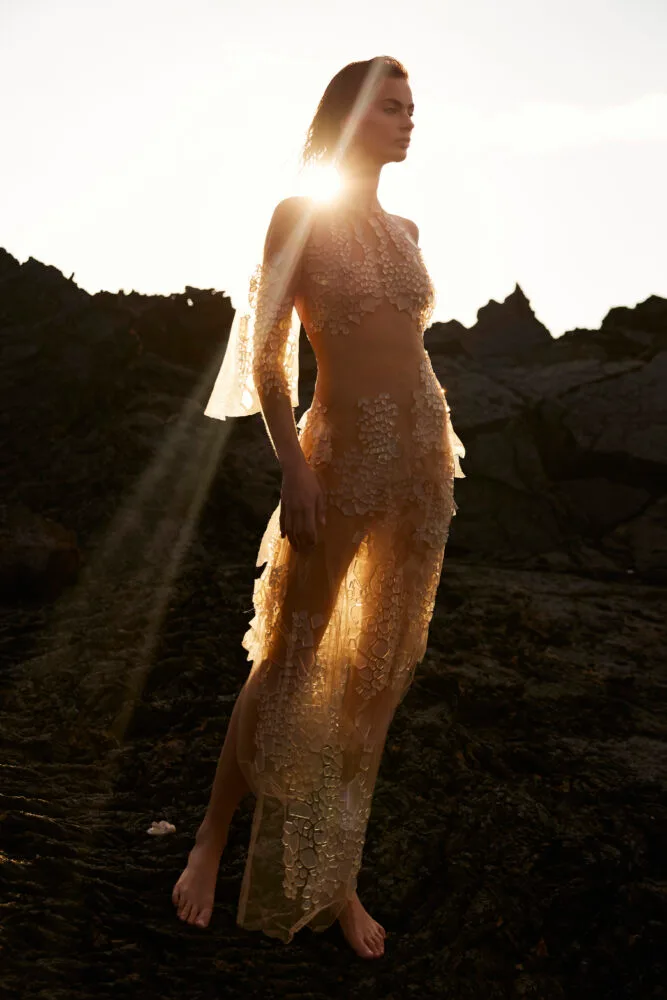
- Rich jewel tones (rust coral, deep cerulean, rose-pink, crimson) worn with metallic accents and sequined velvets. The Mirathene do not dress subtly. Their homeworld was an ocean sphere, and they dress like the sea at sunset
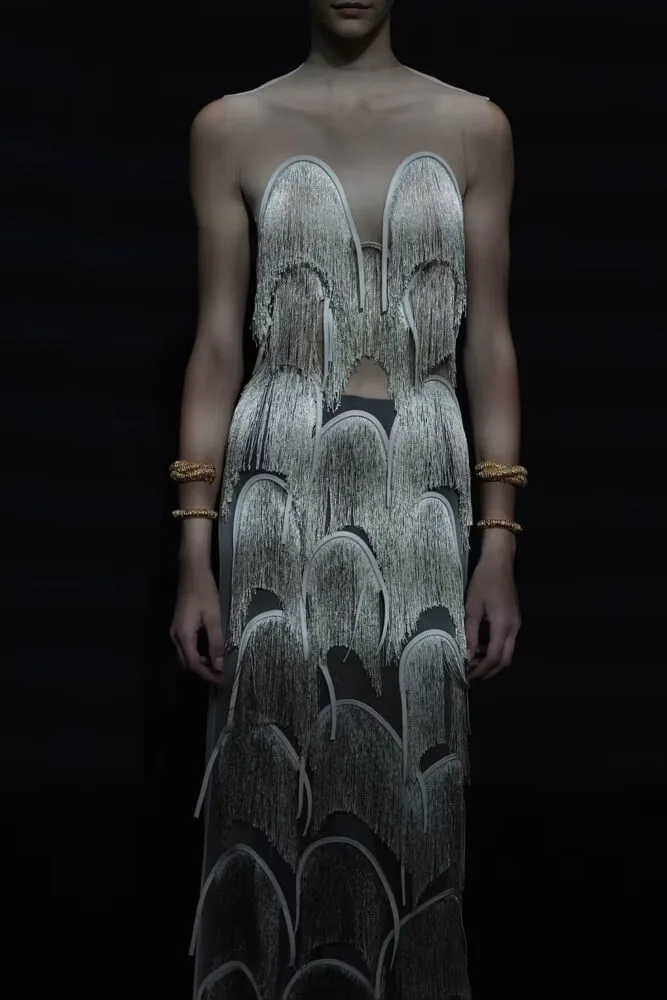
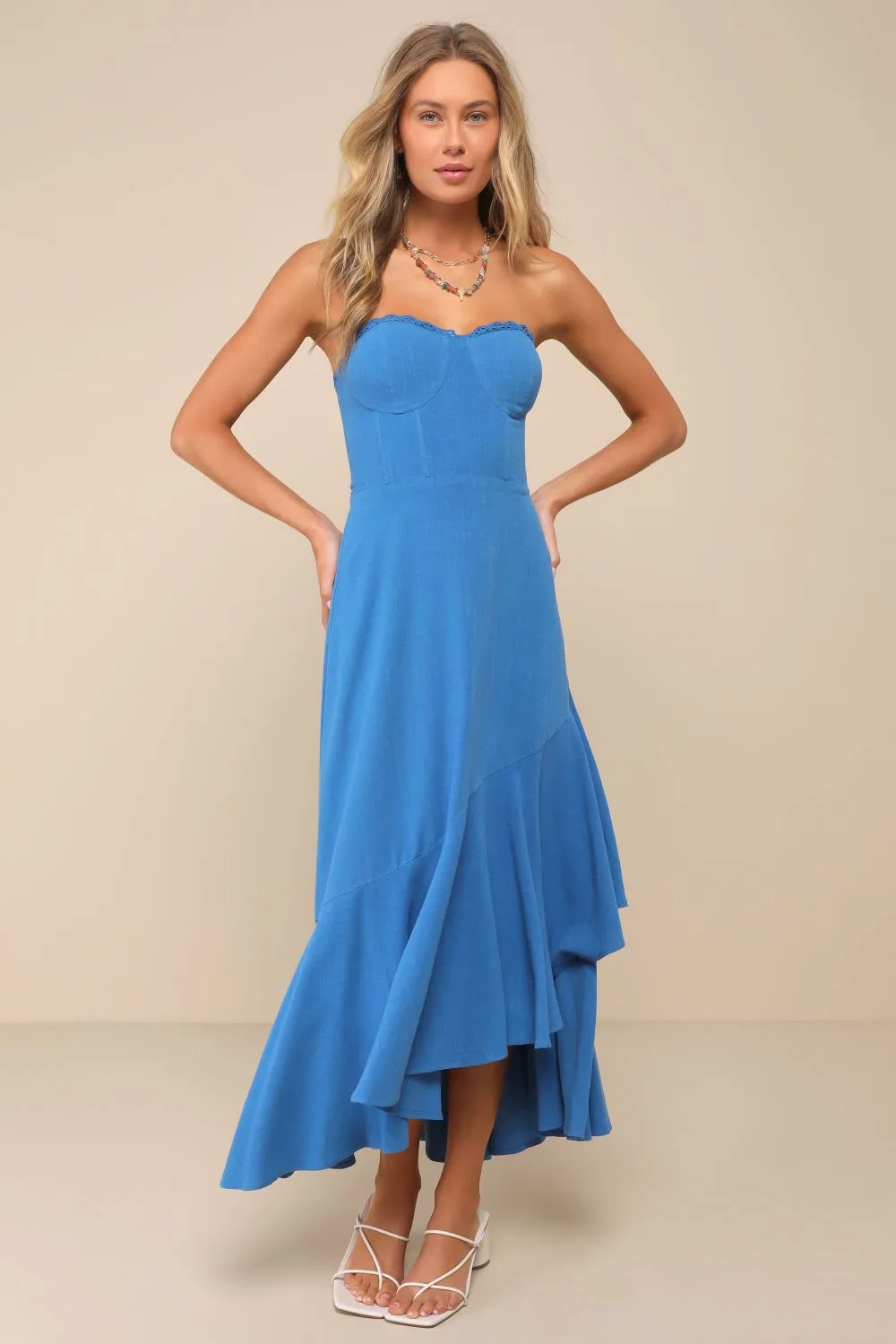
- Ruffled and architectural silhouettes: pleated layers, sculpted draping, embroidered belt-cinched waists. The garments are engineered to move, every fold catching light differently as the wearer shifts
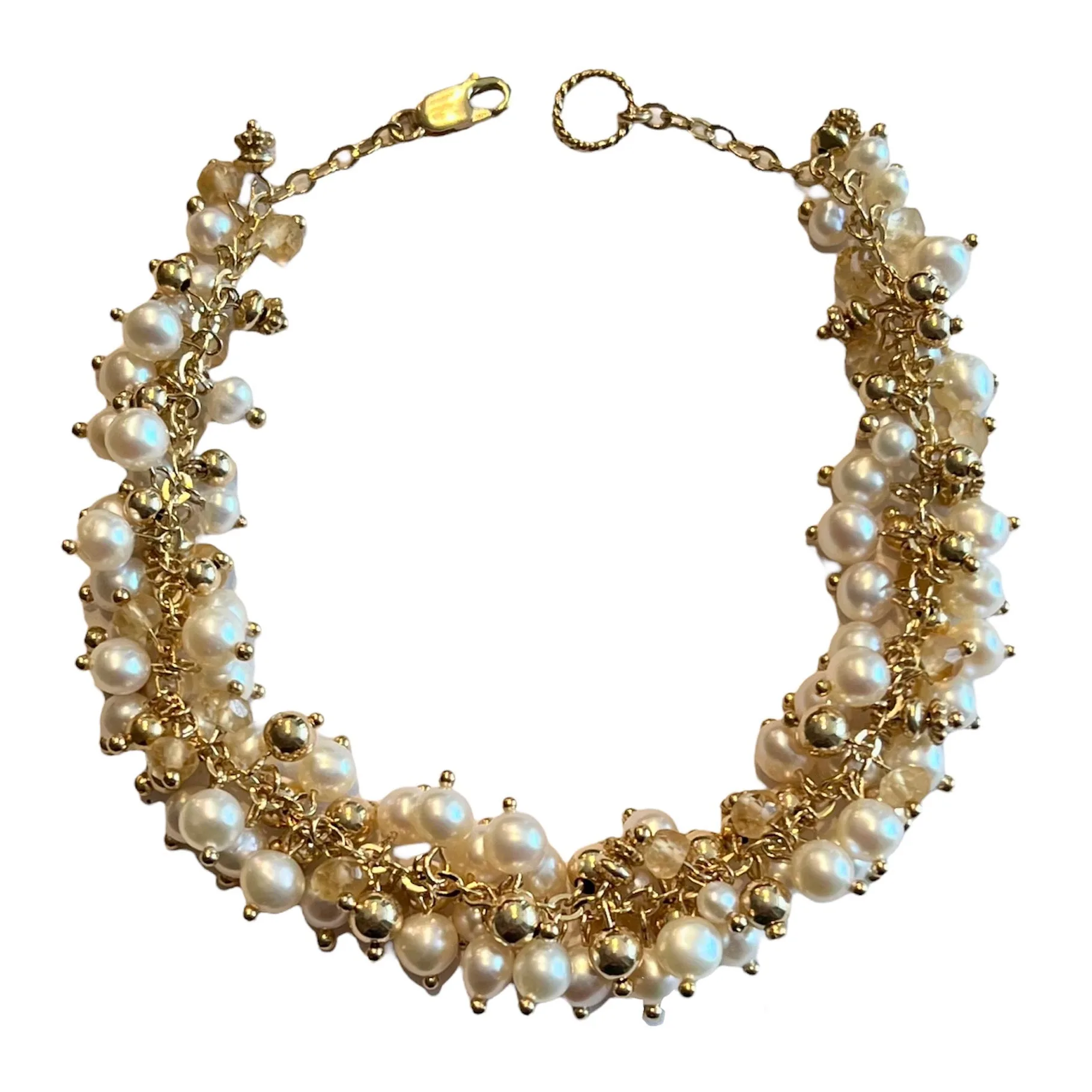
- Shell, coral, and pearl jewelry layered in abundance, the last physical connection to a marine ecology that no longer exists. Statement pieces, not trinkets
- The aesthetic has started blending with broader Trisuran fashion, creating the fusion styles the Velanth have adopted and the Mirathene elders view with complicated feelings
Novari — The Remixed
Novari fashion is the collision of everything, worn deliberately and without apology.
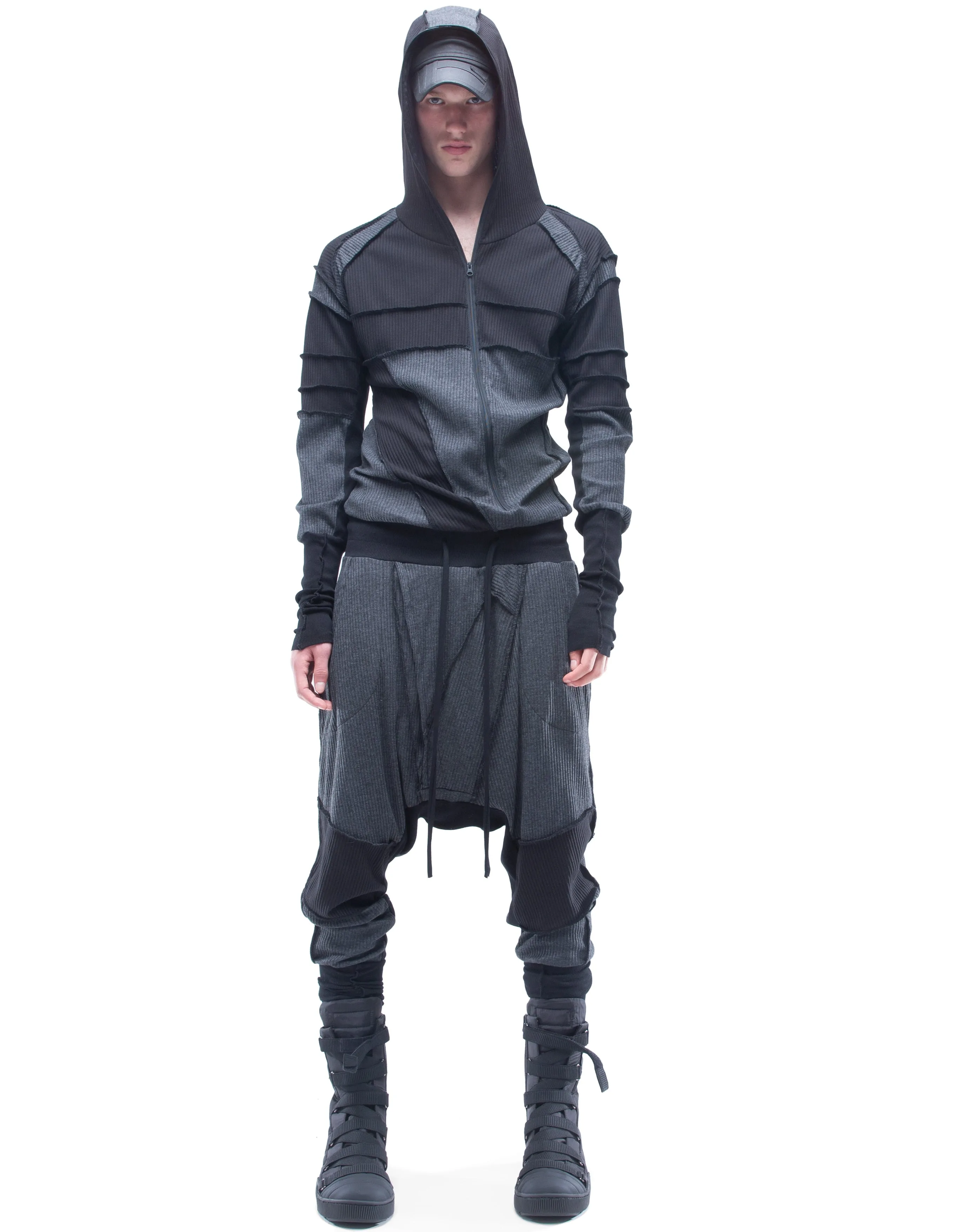
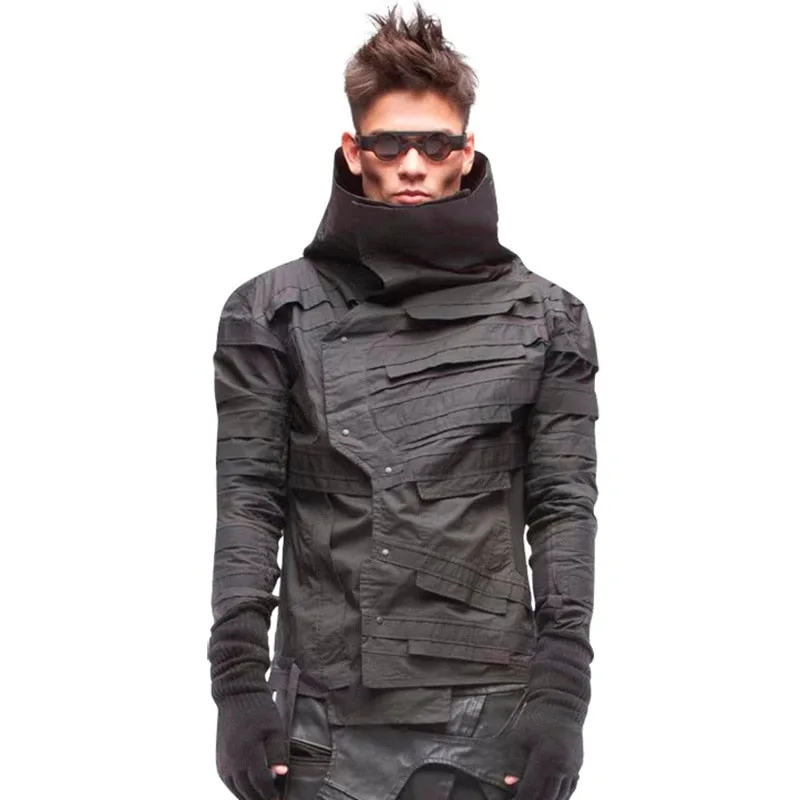
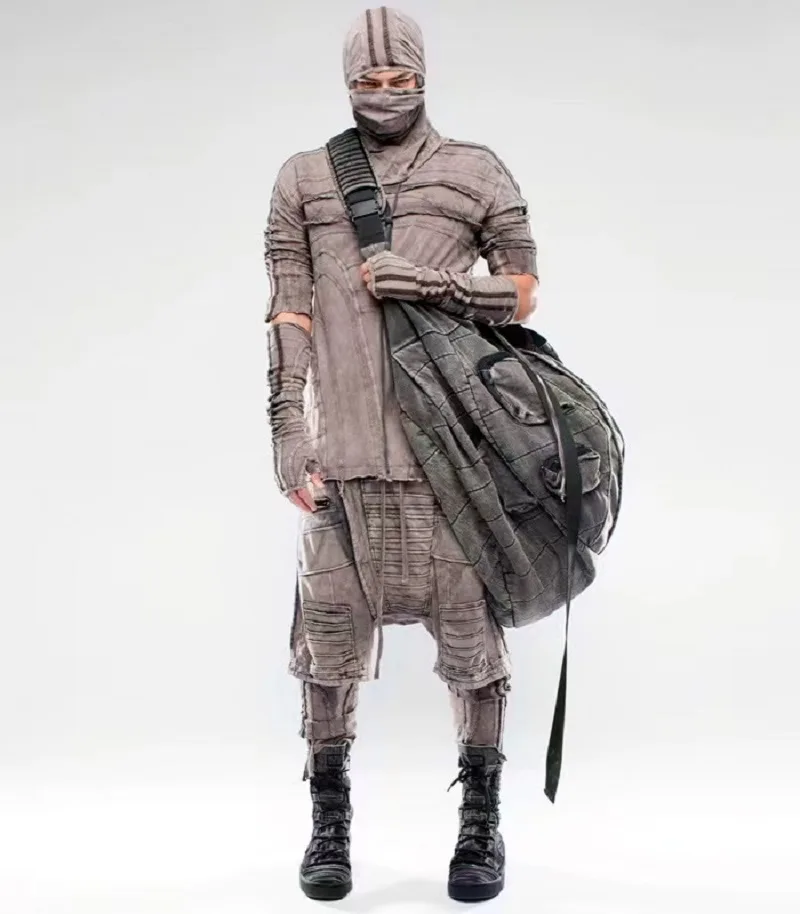
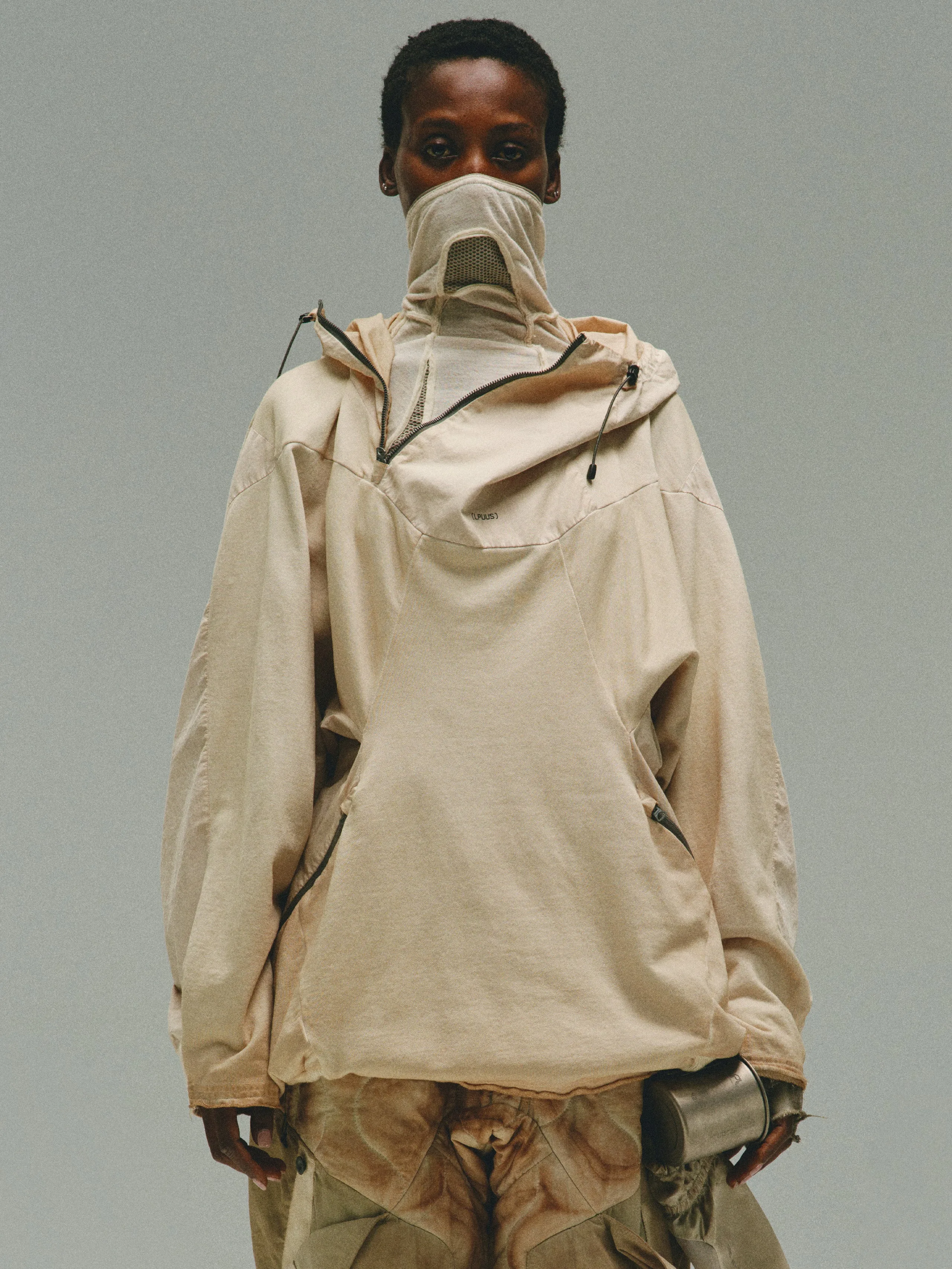
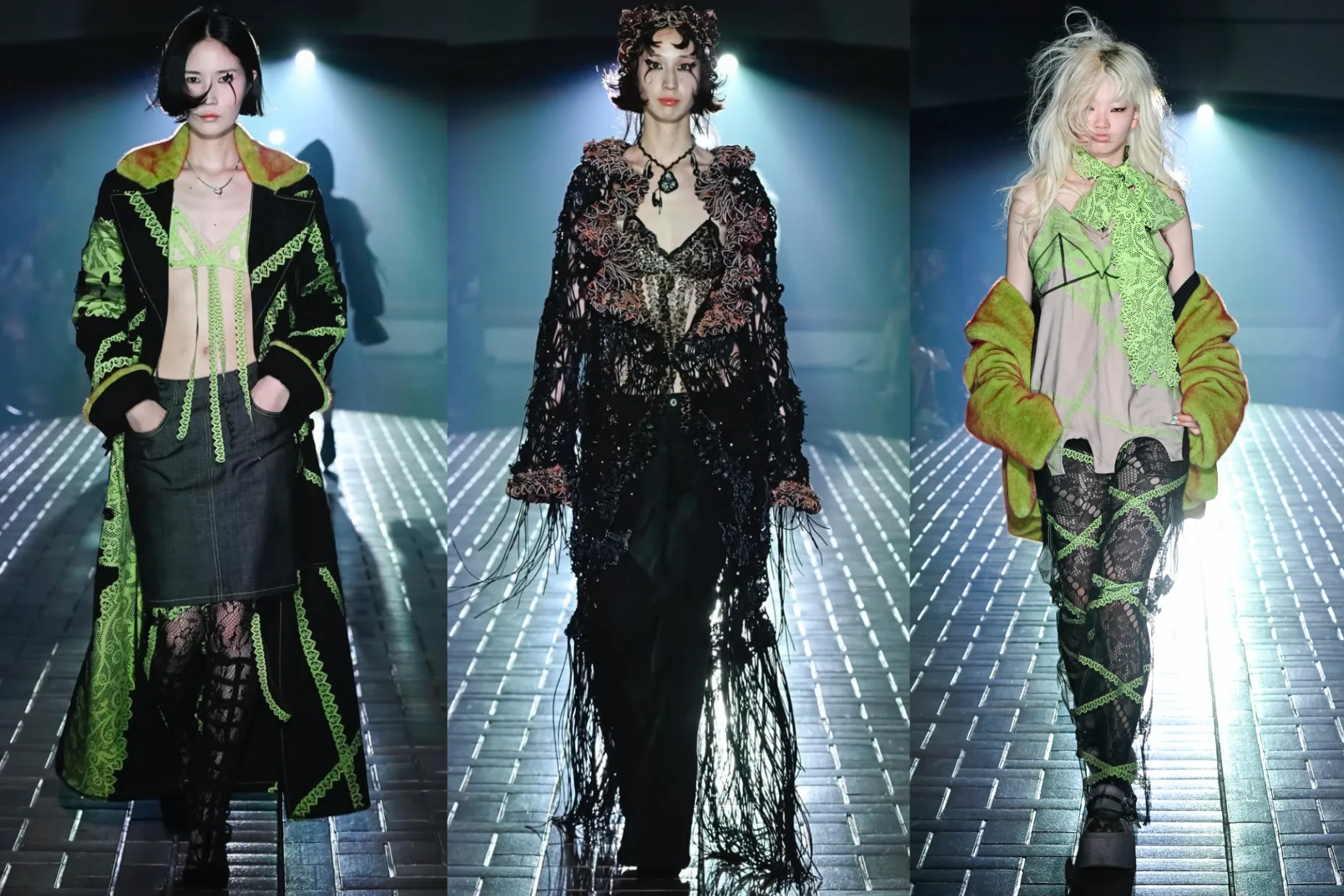
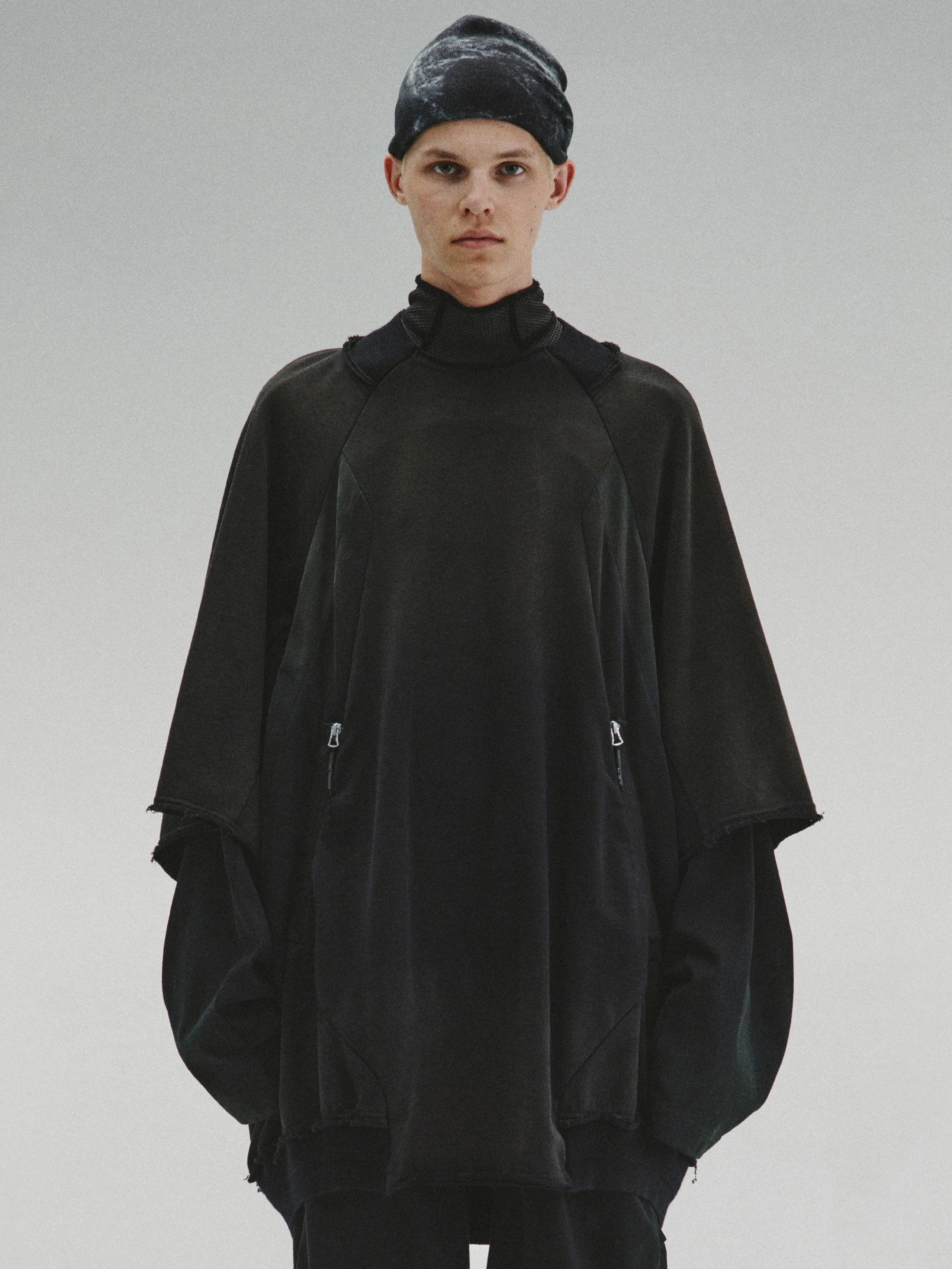
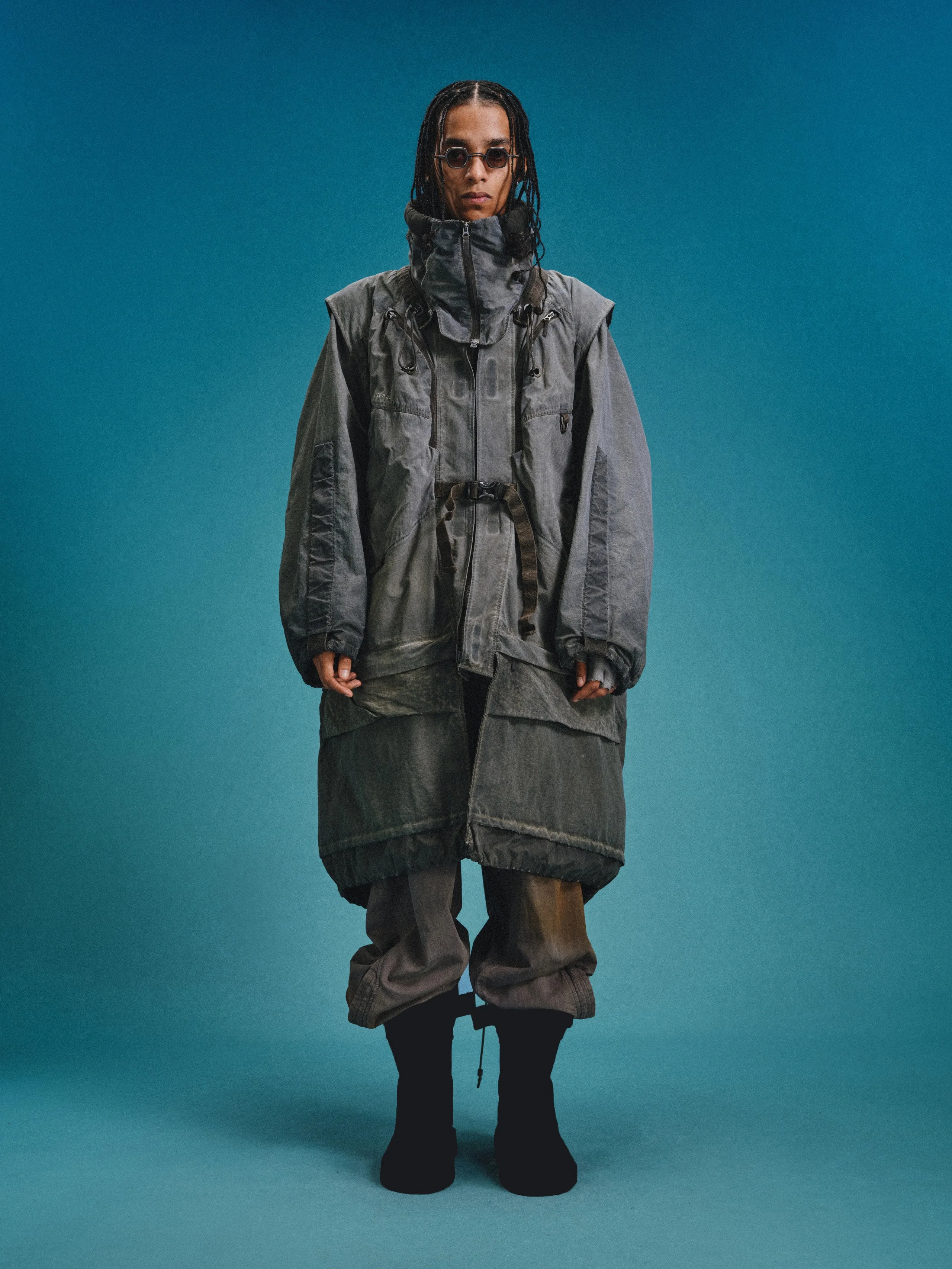
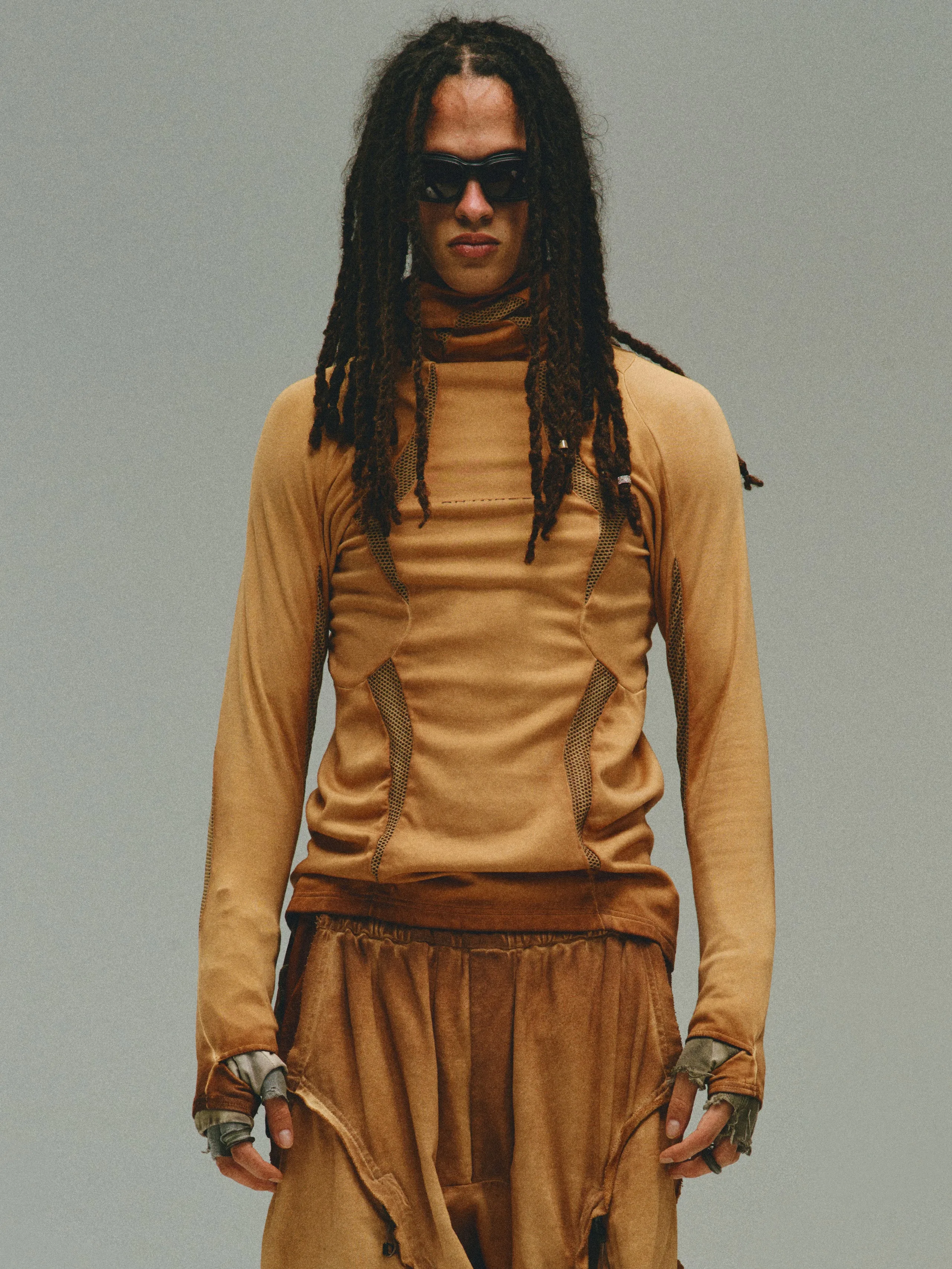
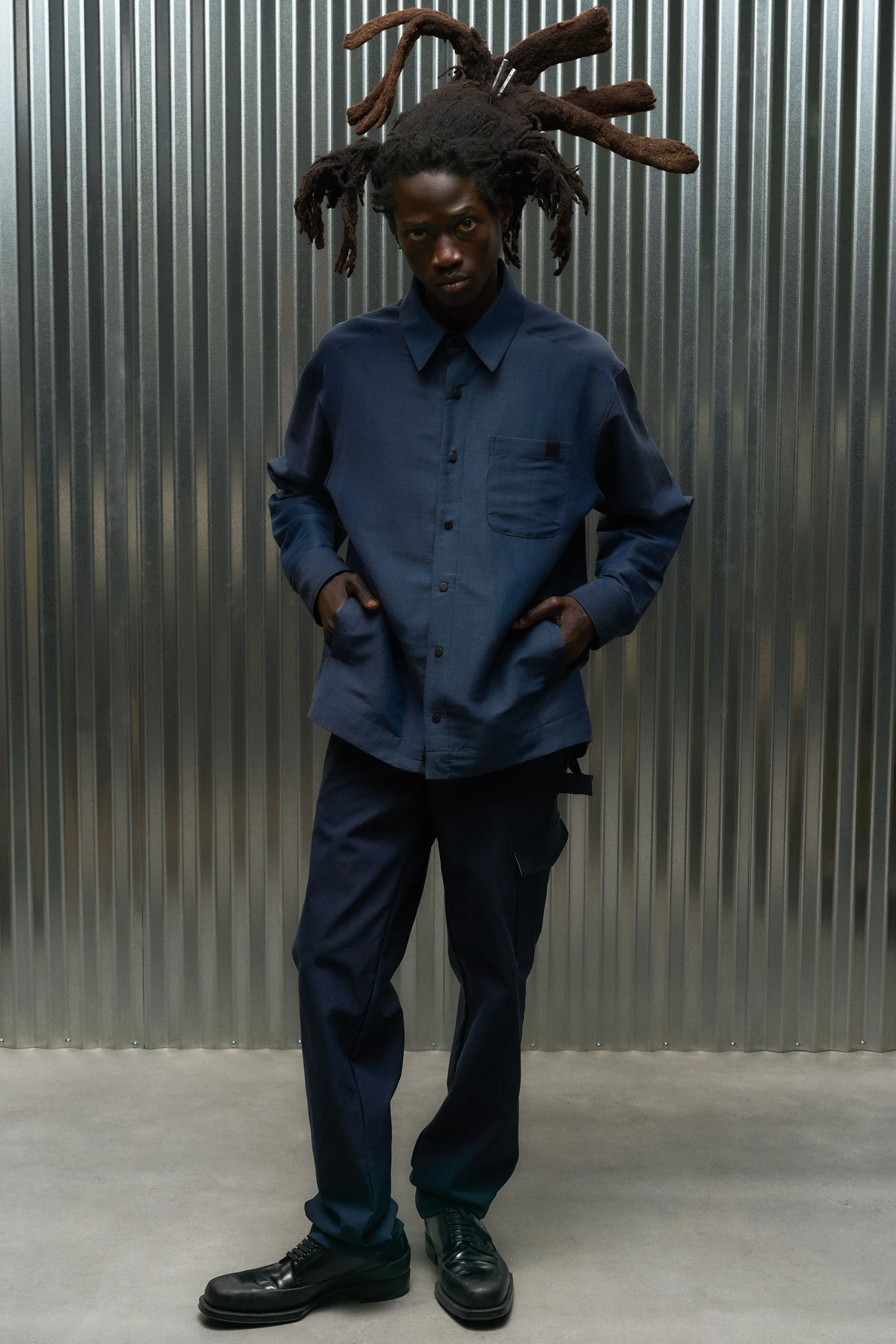
Silhouette: There is no single silhouette. That's the point. But the dominant mode is techwear-meets-streetwear: structured, modular, dark-toned, and assembled from whatever pieces feel right that morning. The overall impression is someone who raided a dozen traditions and a futurist's workshop and made it all work through sheer confidence.
Key Pieces (mix and match):
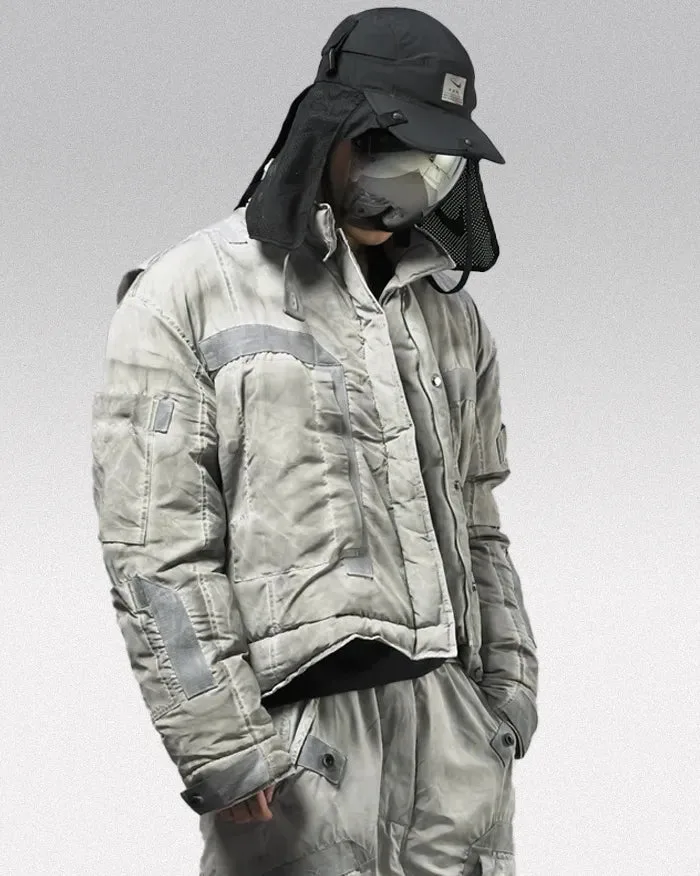
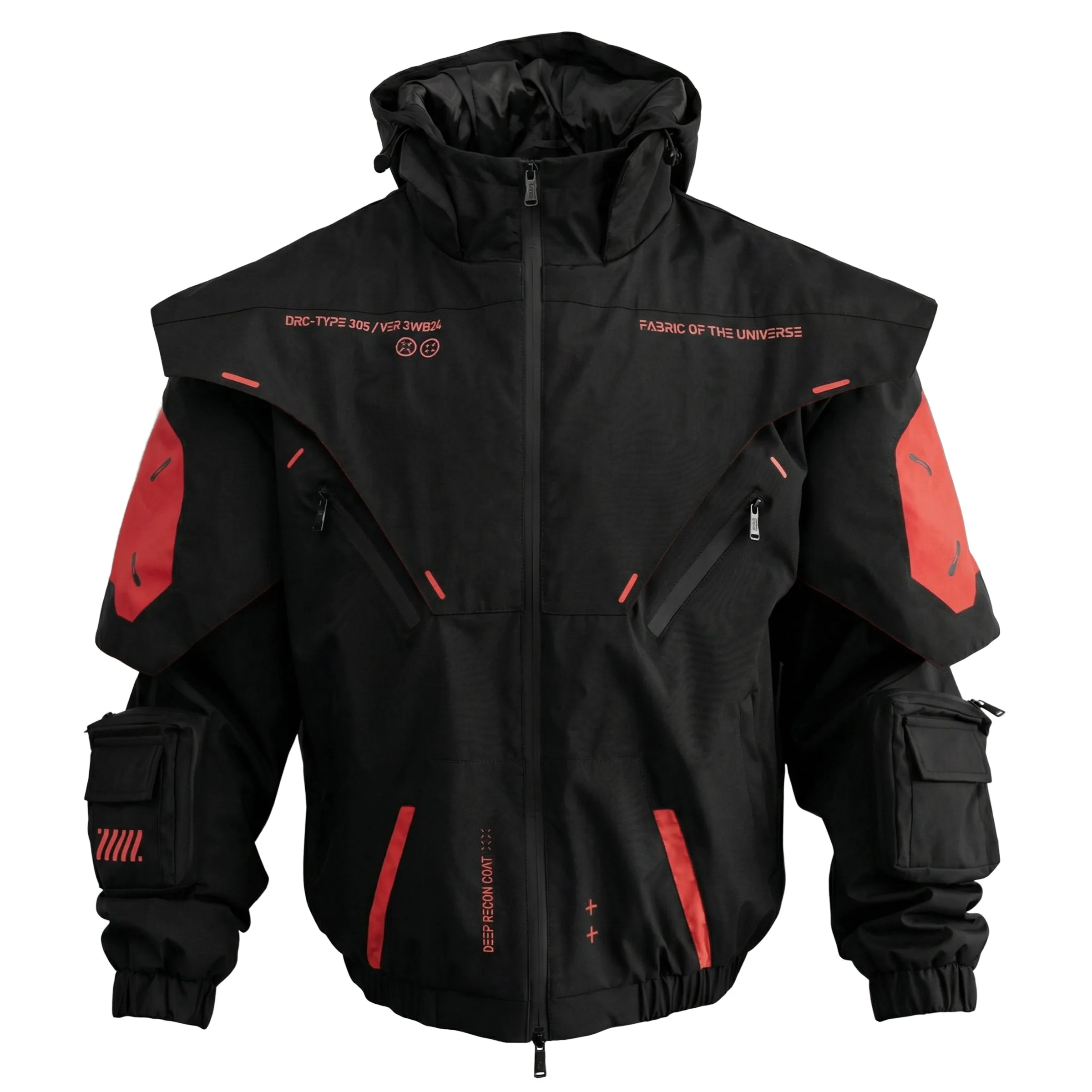
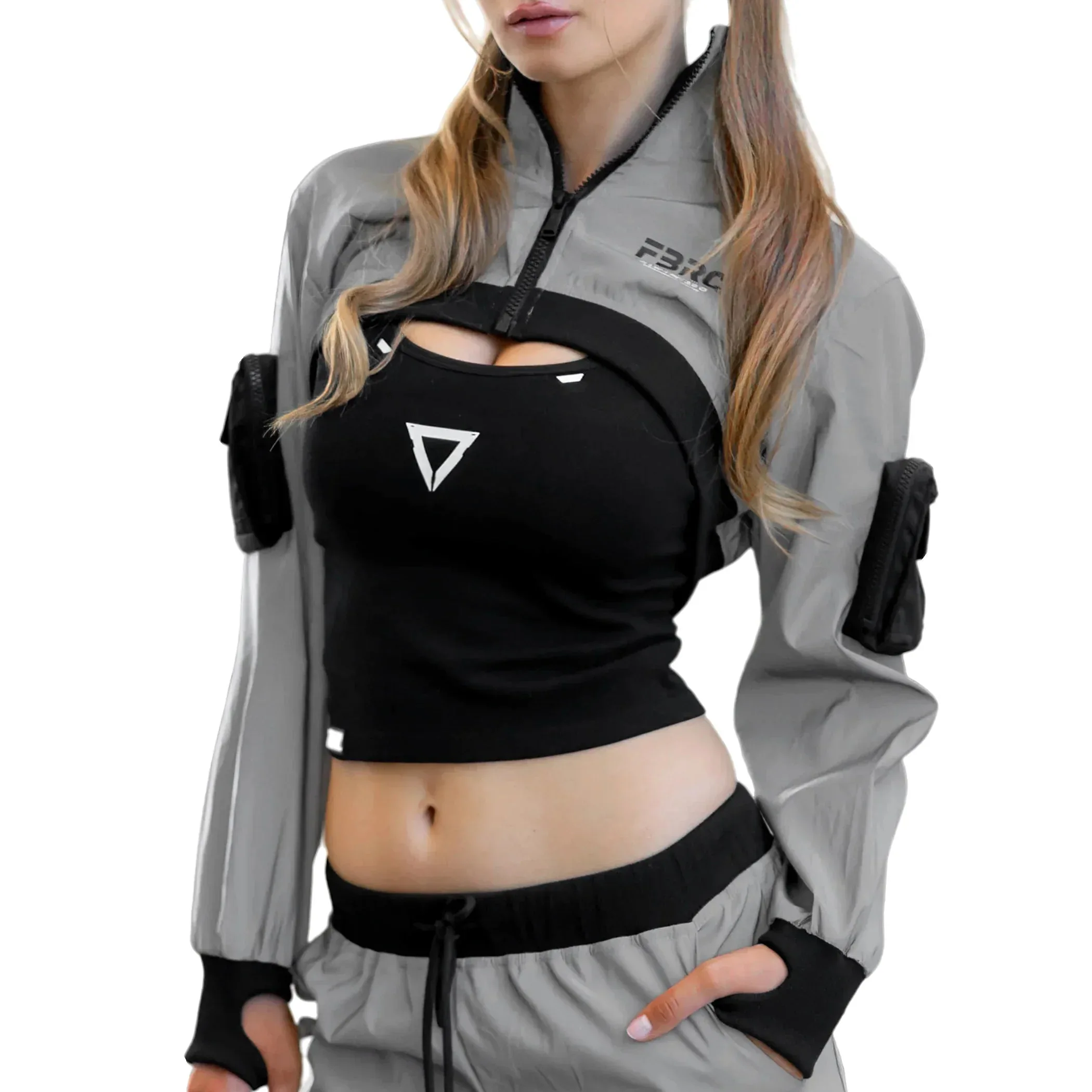
- Recon coats and tech jackets: long, structured outerwear with modular panels, reflective piping, and integrated hoods. The deep recon coat (black, high-collared, with red or contrasting accent panels) has become a Novari signature. Shorter versions include reflective shrug jackets with articulated shoulders, worn as much for the visual statement as the weather protection.
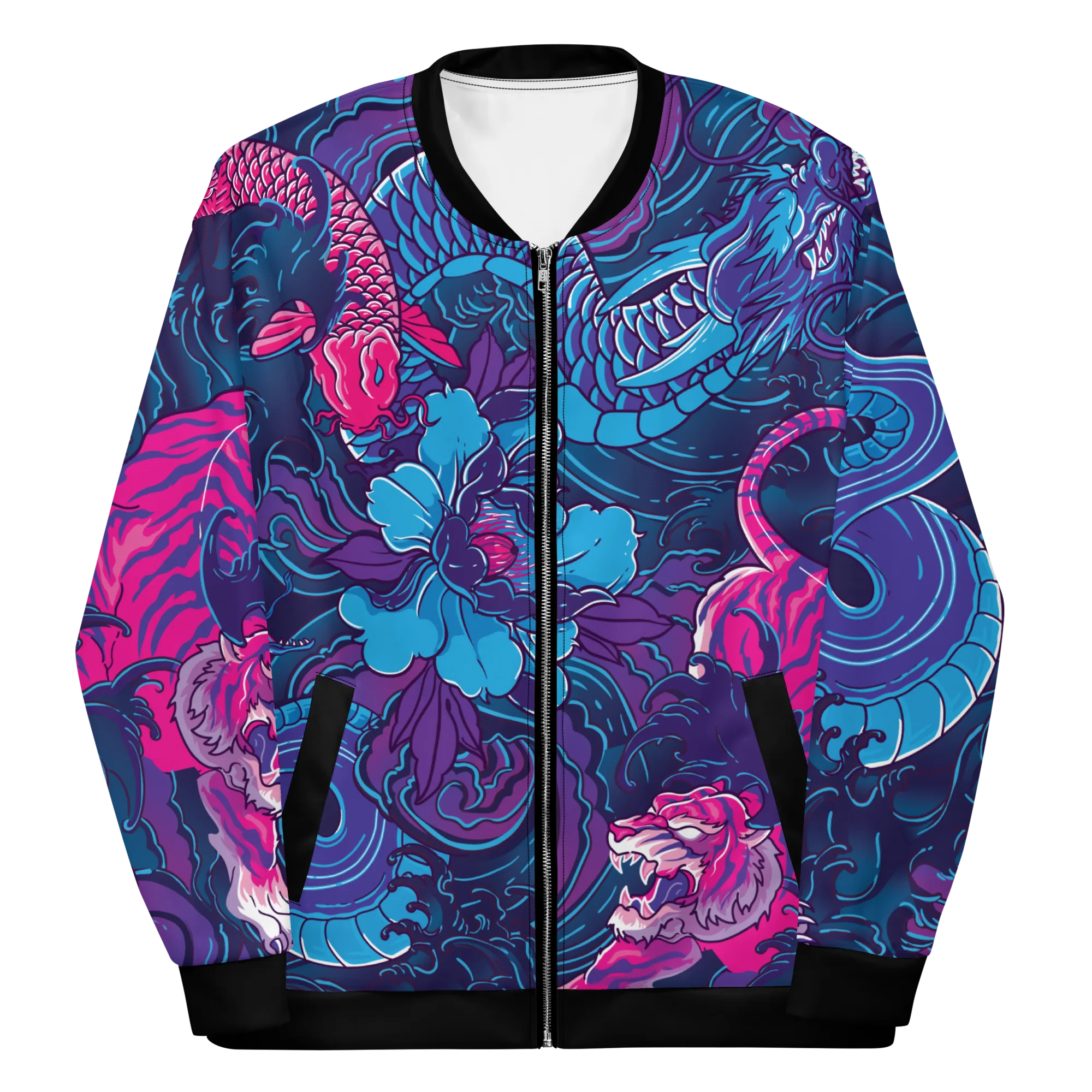
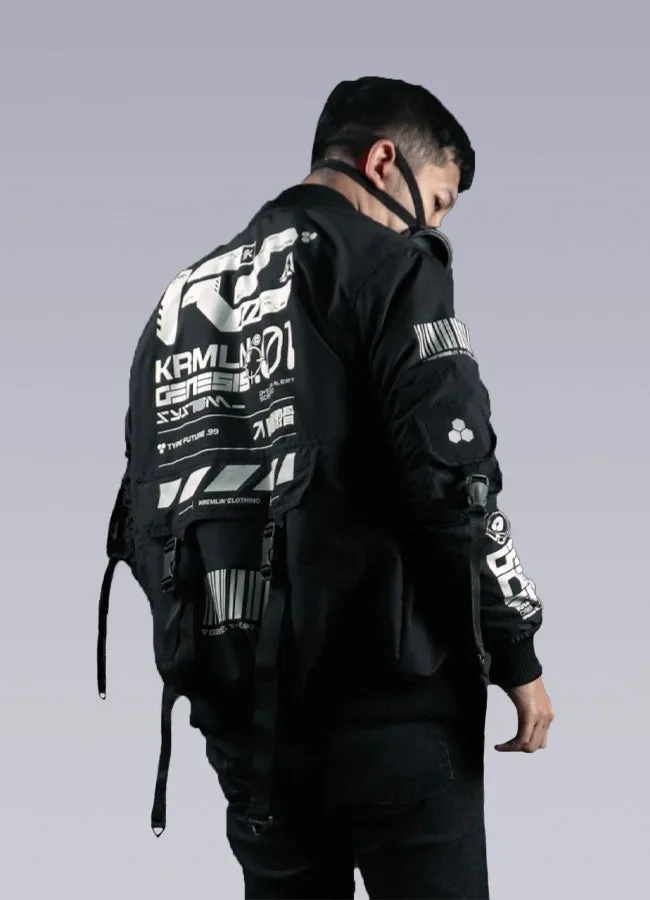
- Printed bombers: the bomber jacket survived two thousand years because it works on everyone. The Novari version features irezumi-style full-back prints, heritage tattoo art, or abstract graphic panels, each jacket a wearable canvas. Some are produced fresh each season. Others are hand-painted originals that appreciate in social currency.
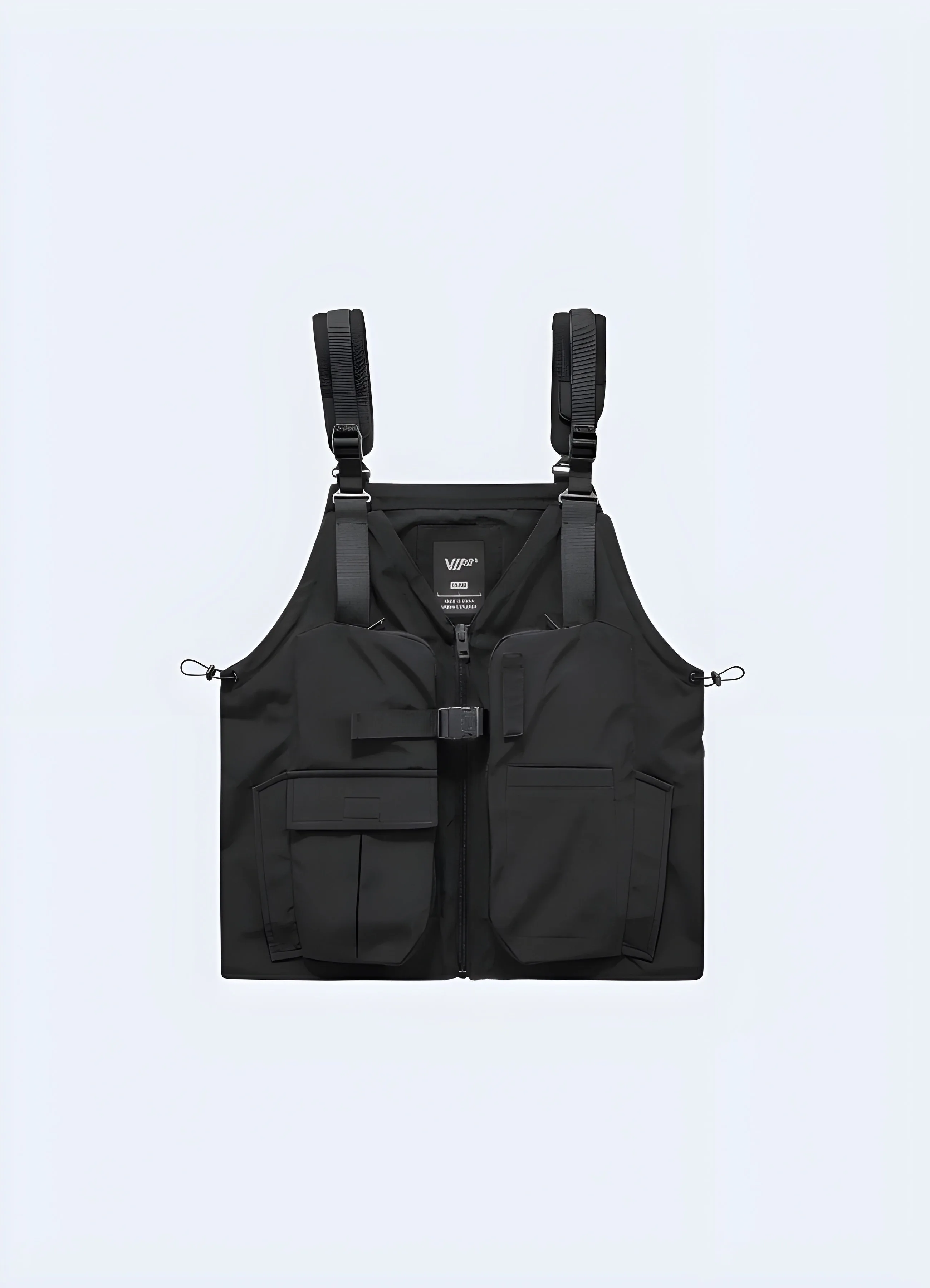
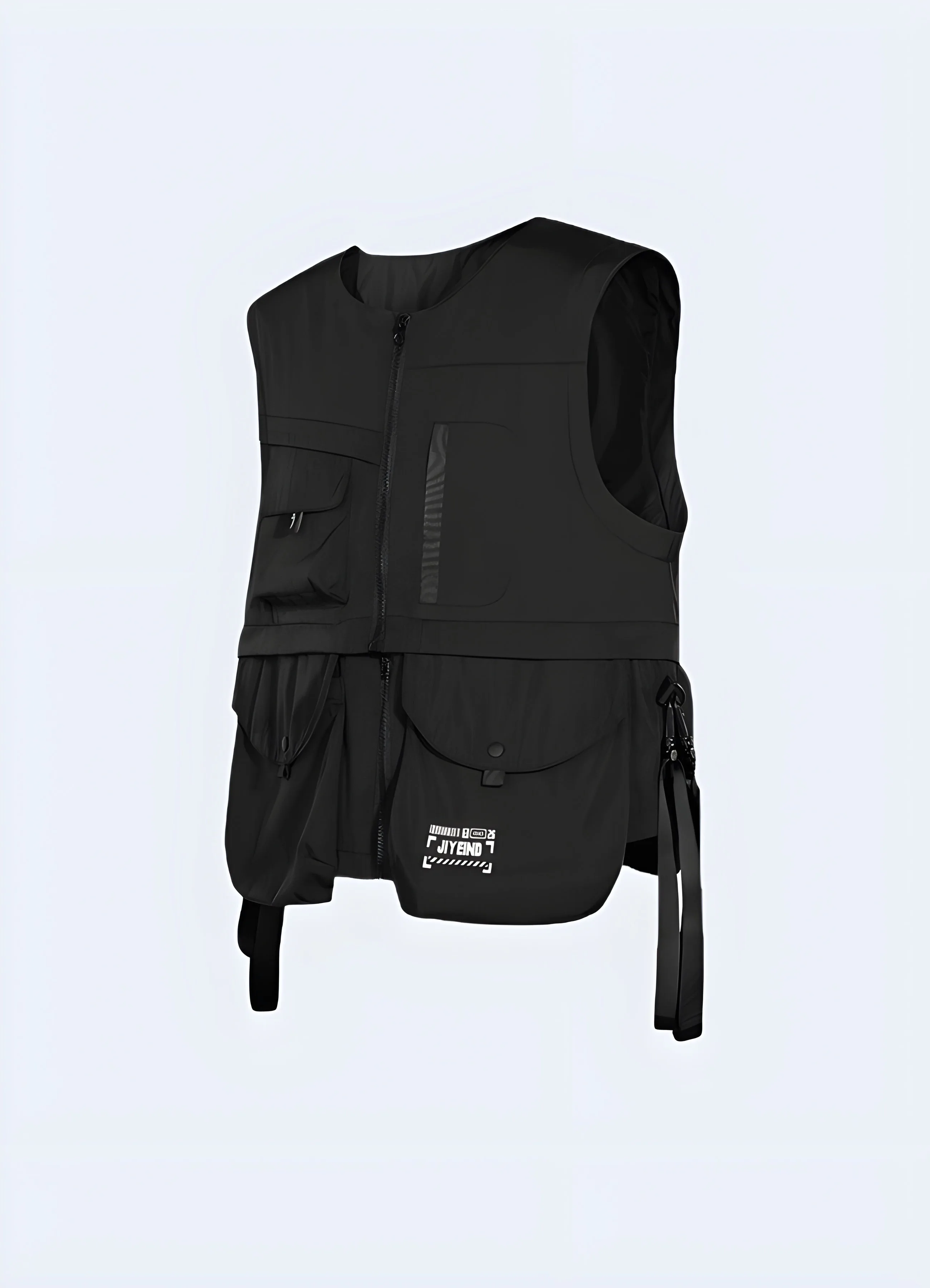
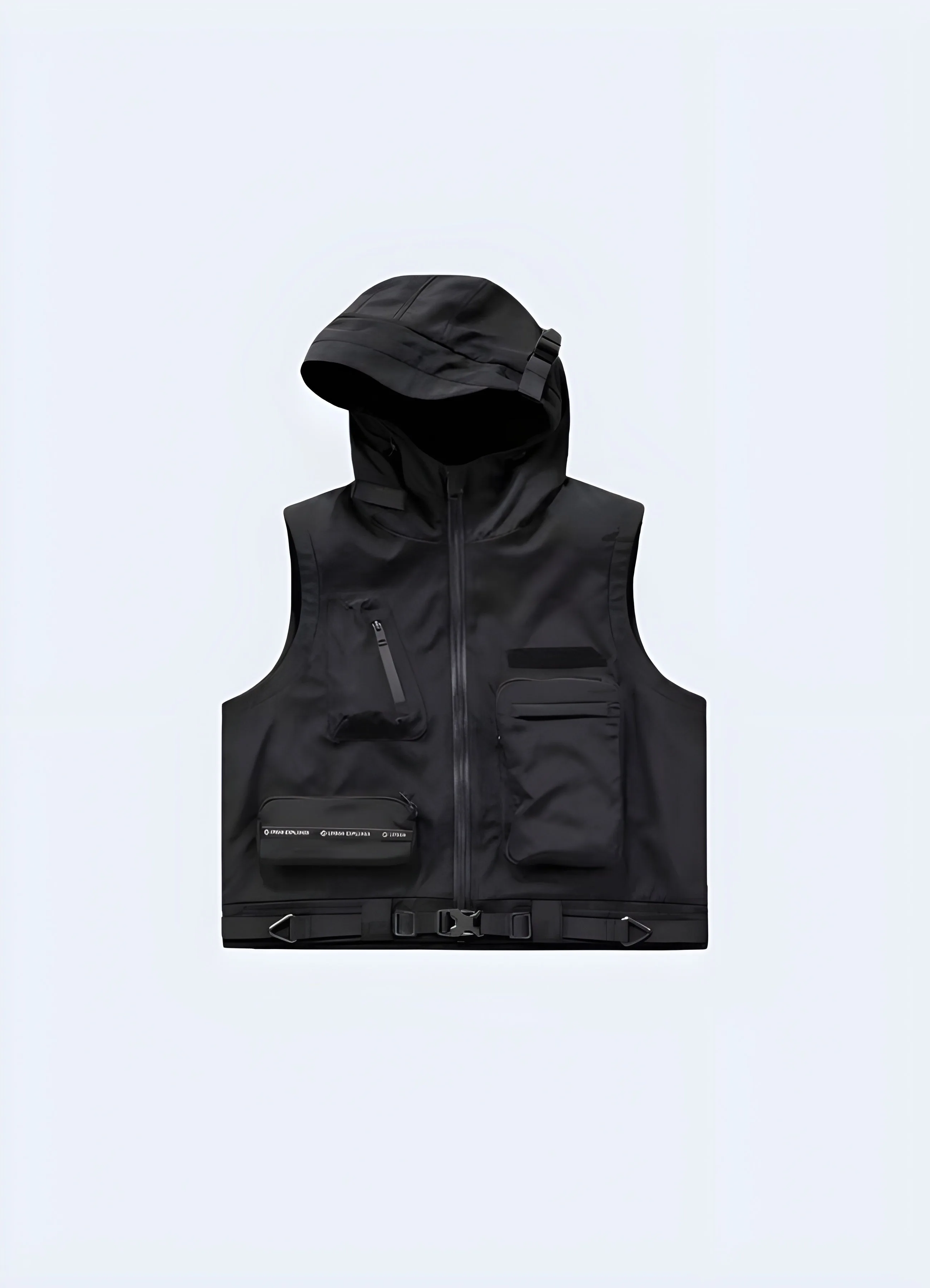
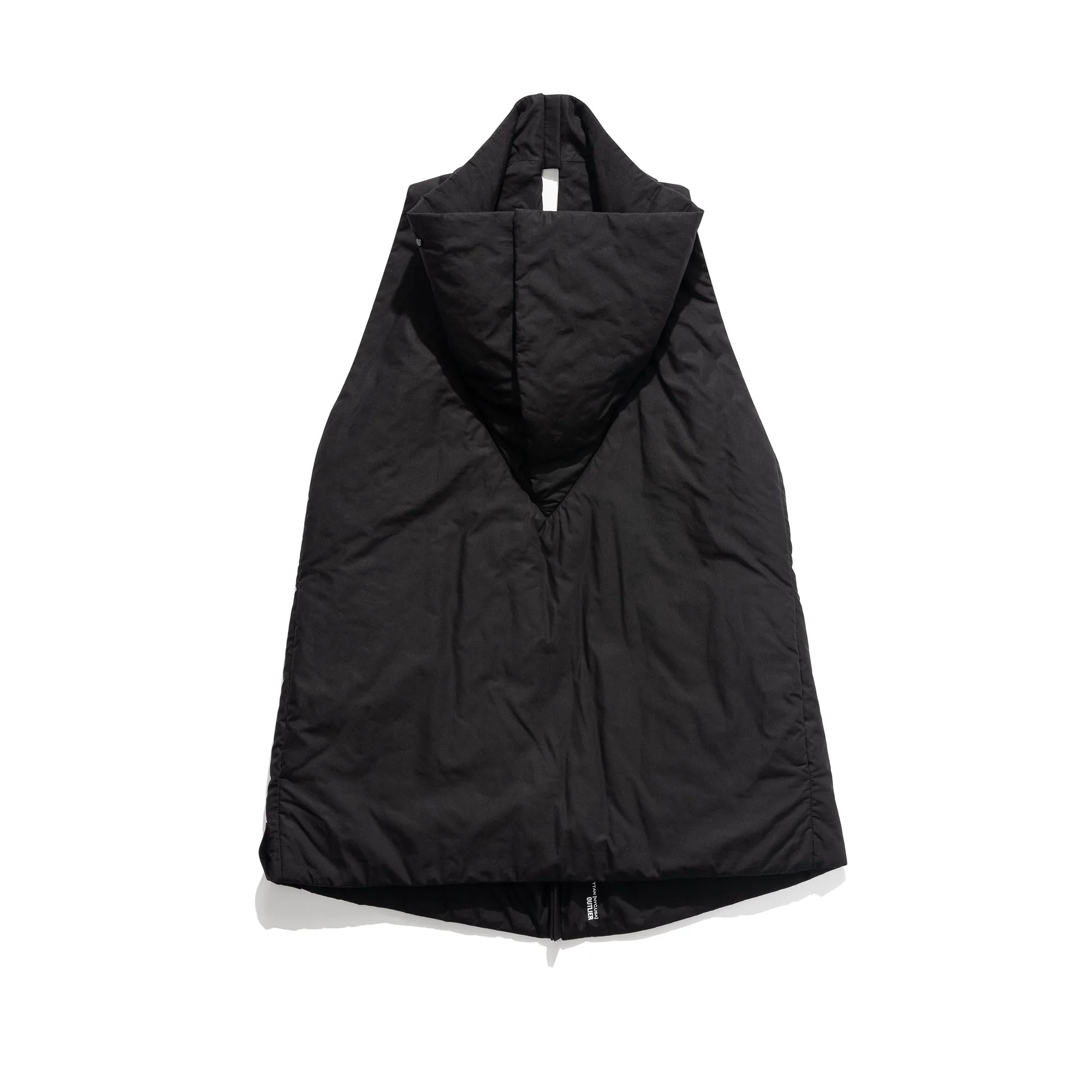
- Techwear vests: functional vests and hooded tactical vests in matte black, loaded with modular pockets and chest rigs. The Cintari wear utility gear because they need it. The Novari wear it because it looks good, a distinction the Cintari find either flattering or infuriating depending on who you ask.
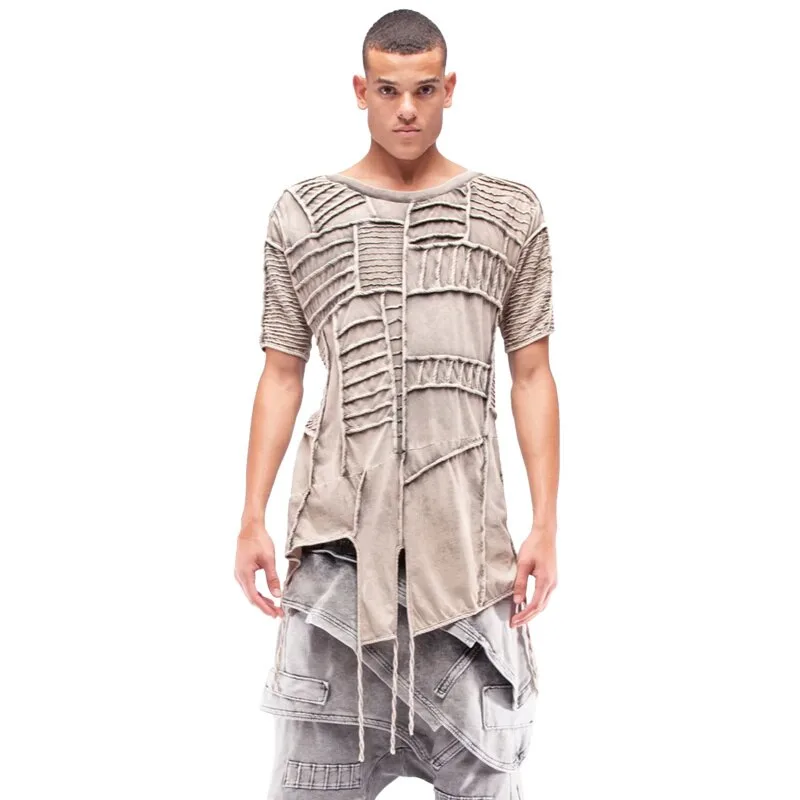
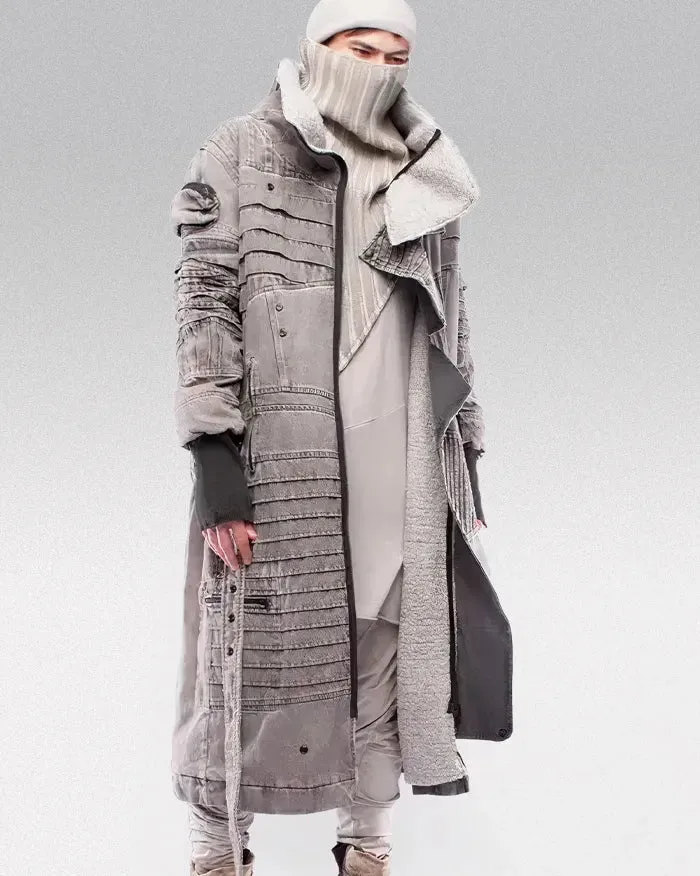
- Industrial layers: heavyweight knit pieces, oversized pullovers, and structured tops from the industrial-utilitarian end of the aesthetic. Raw seams, exposed construction, muted earth tones or charcoal; the influence of Dravik workwear filtered through Novari remix logic.
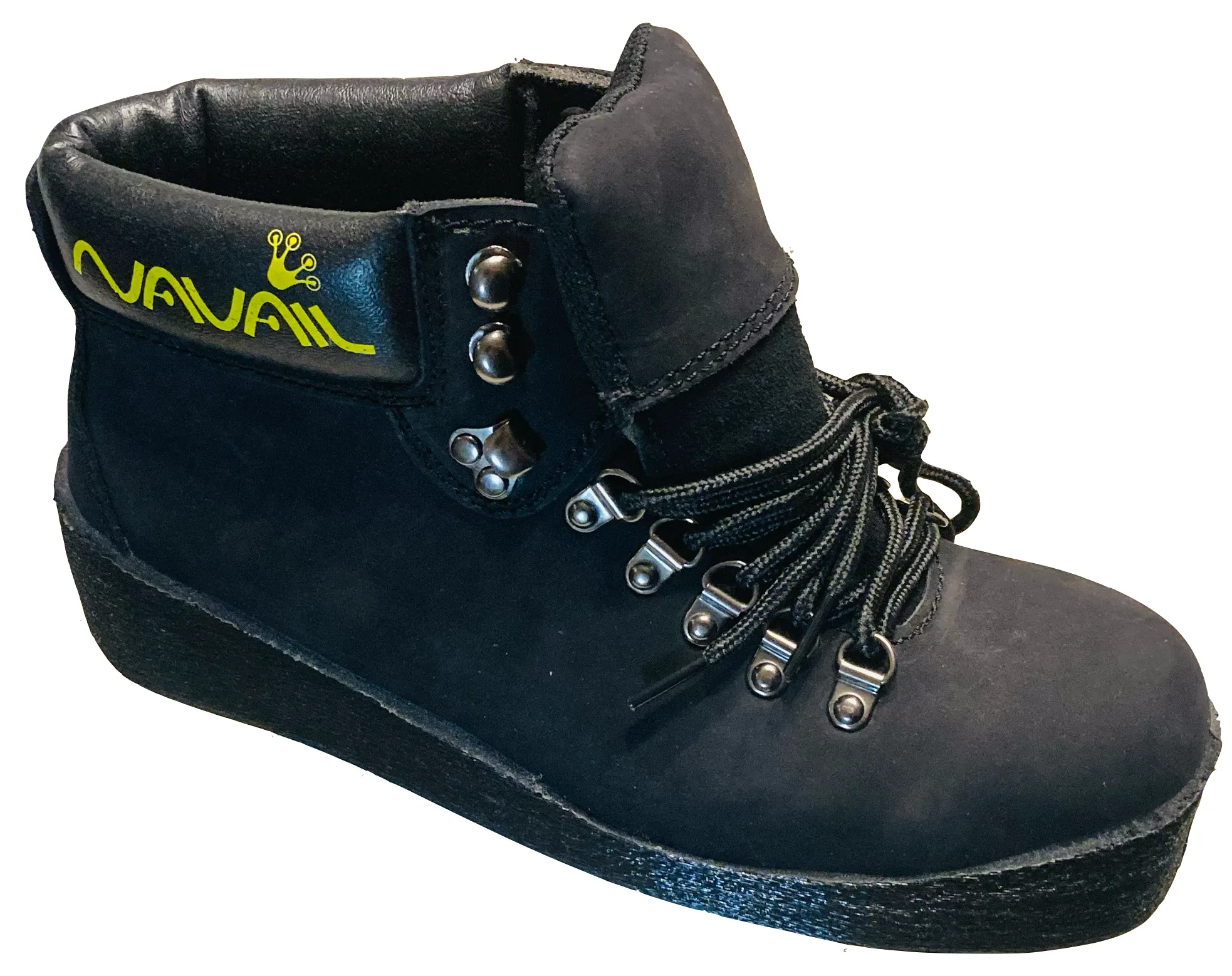
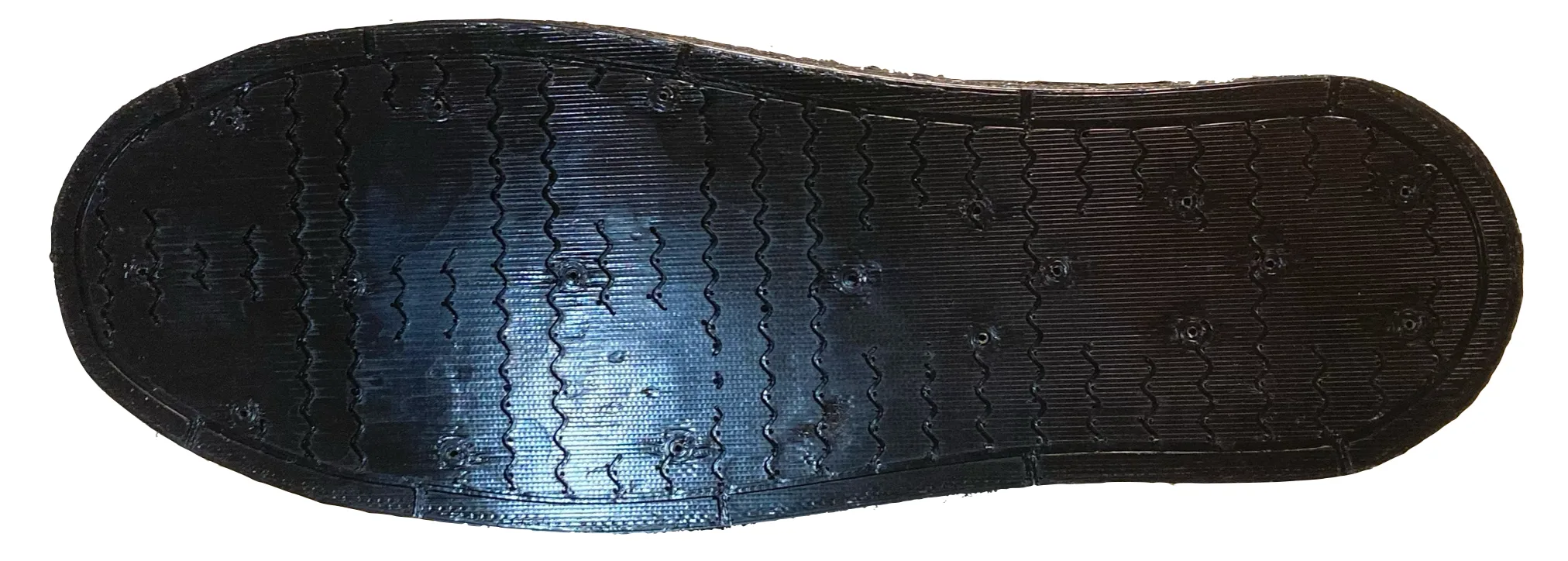
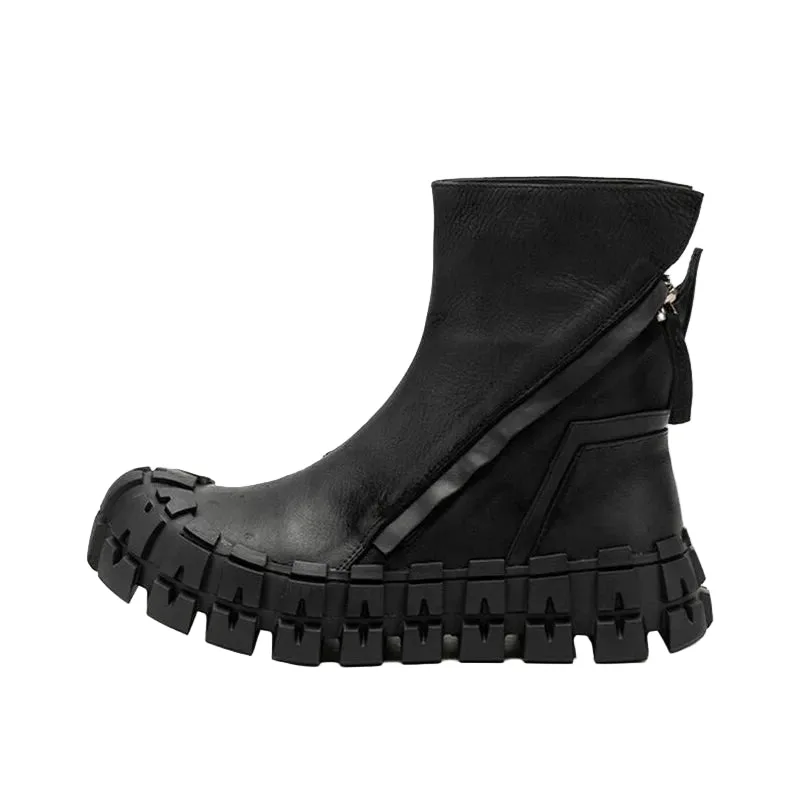
- Tech boots: heavy-soled, buckled, architecturally aggressive. Cyberpunk-influenced silhouettes with platform soles, armored panels, and strapping systems that reference Cintari mag-boots without the magnets. The shoes are often the loudest piece.
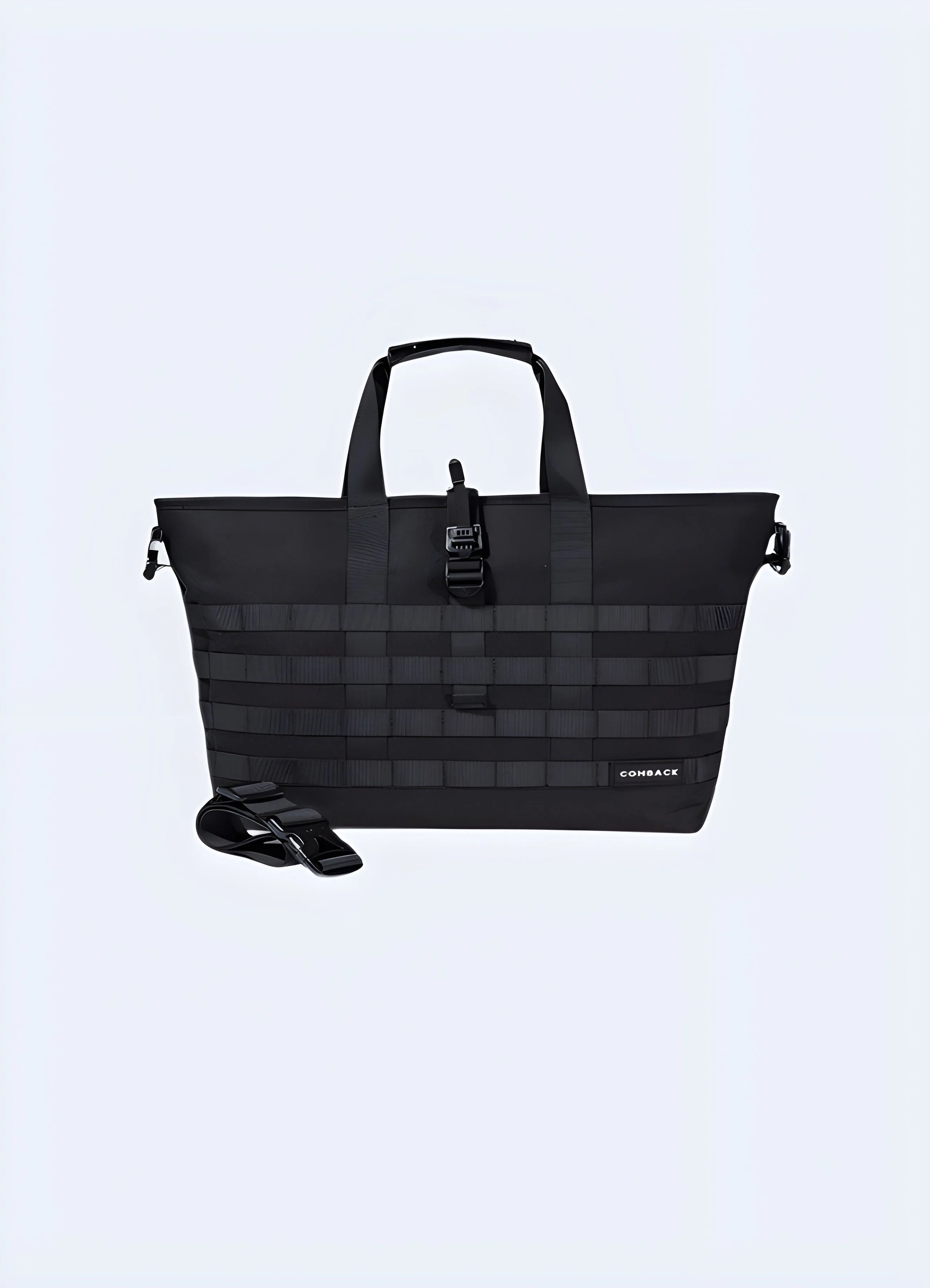
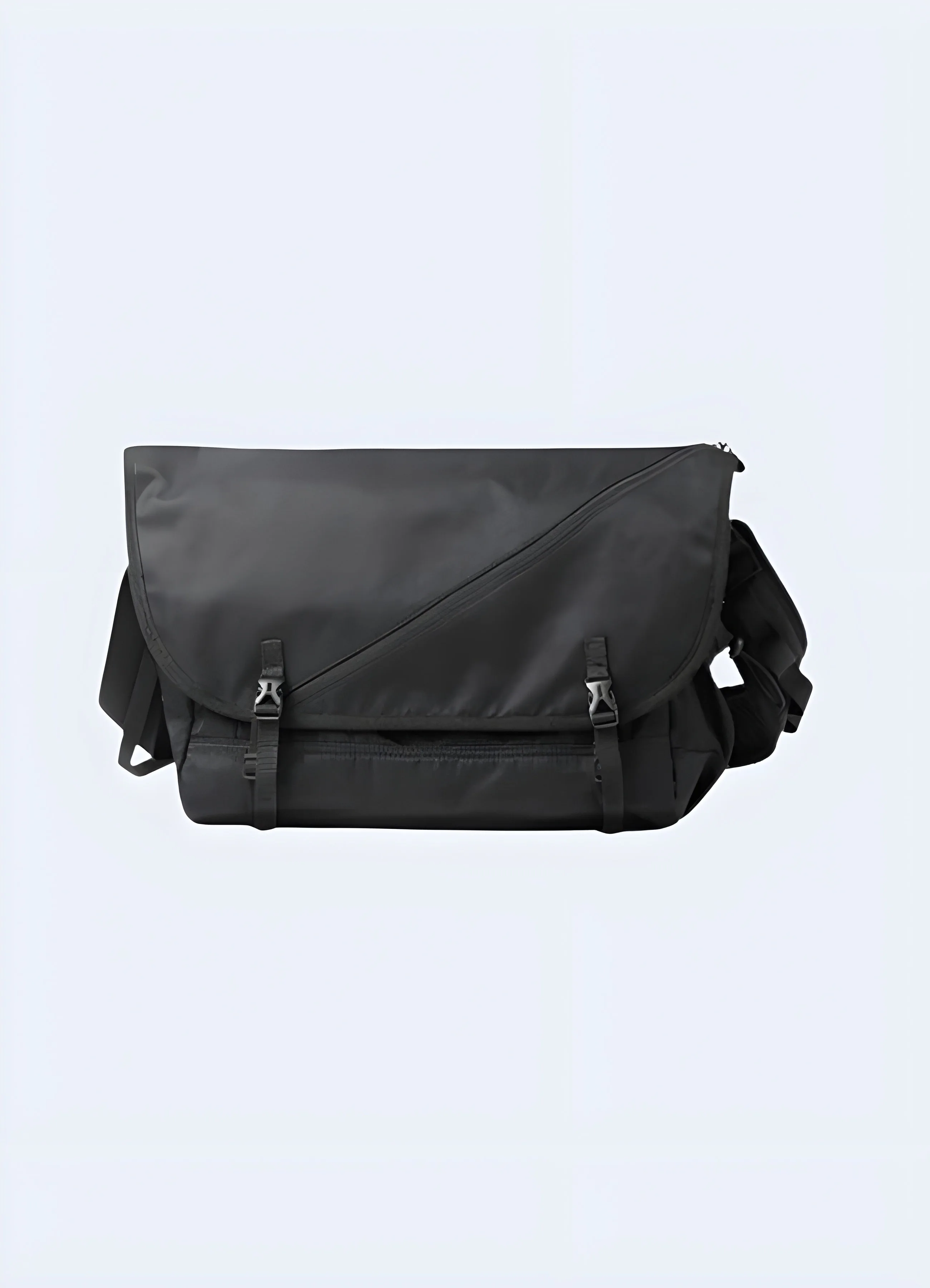
- Utility bags: waterproof crossbody bags, tote bags in ballistic nylon, sling packs with modular attachment points. Carried as fashion accessories, arranged as deliberately as jewelry.
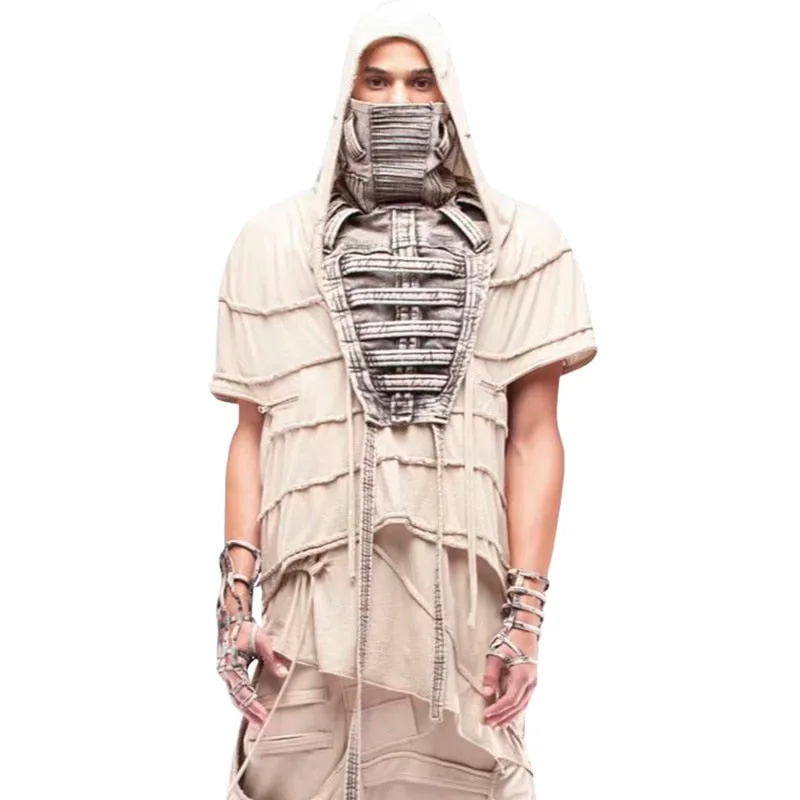
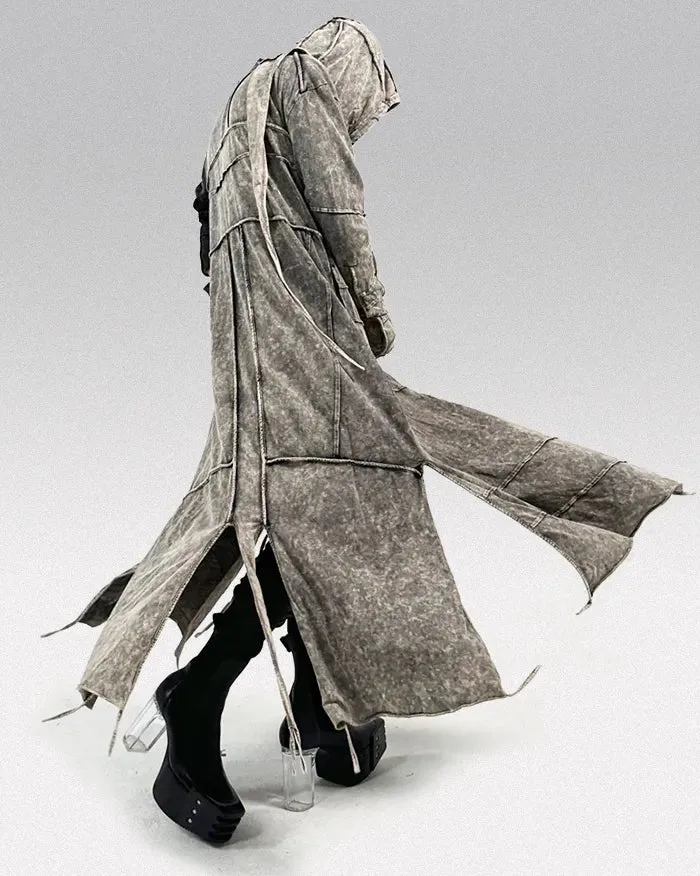
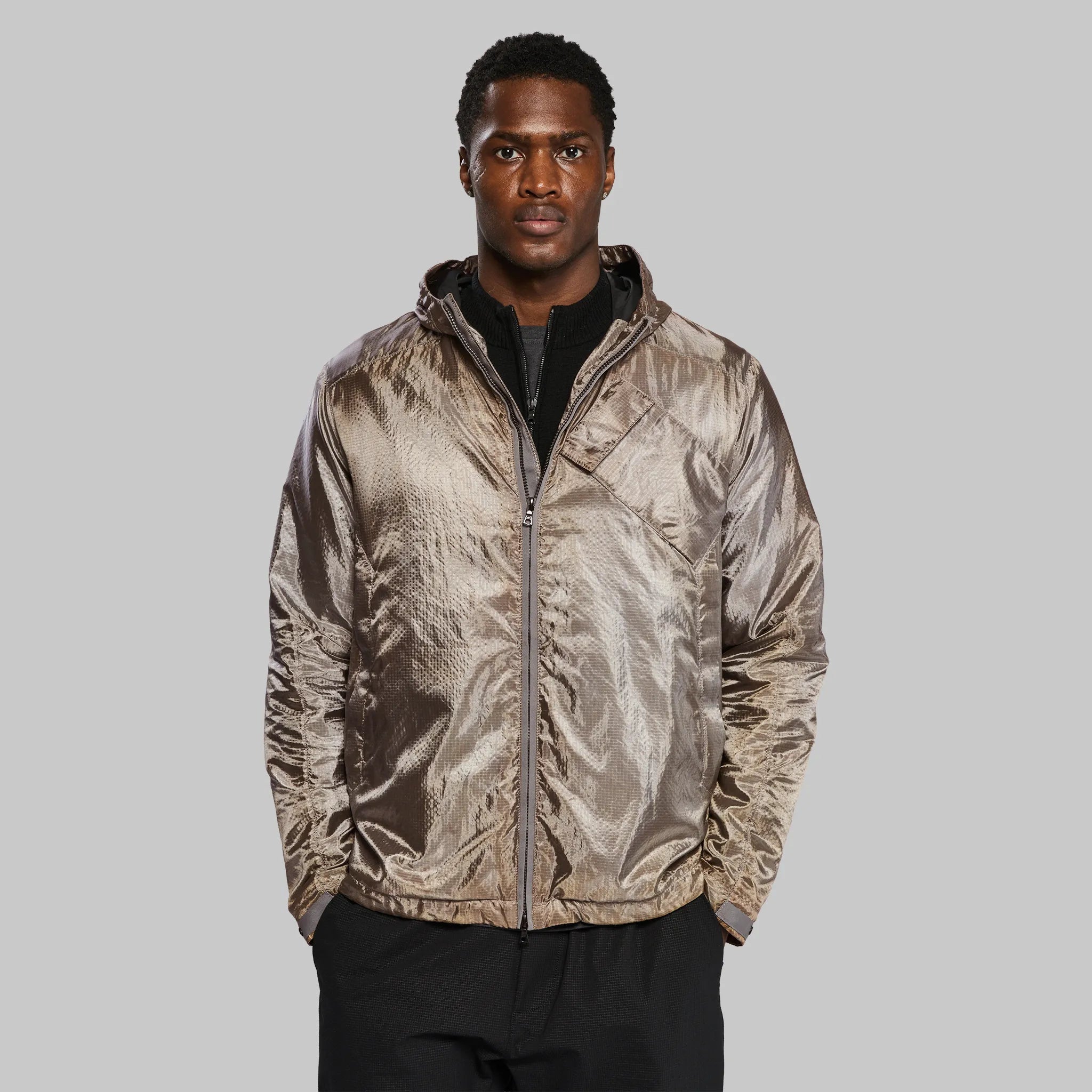
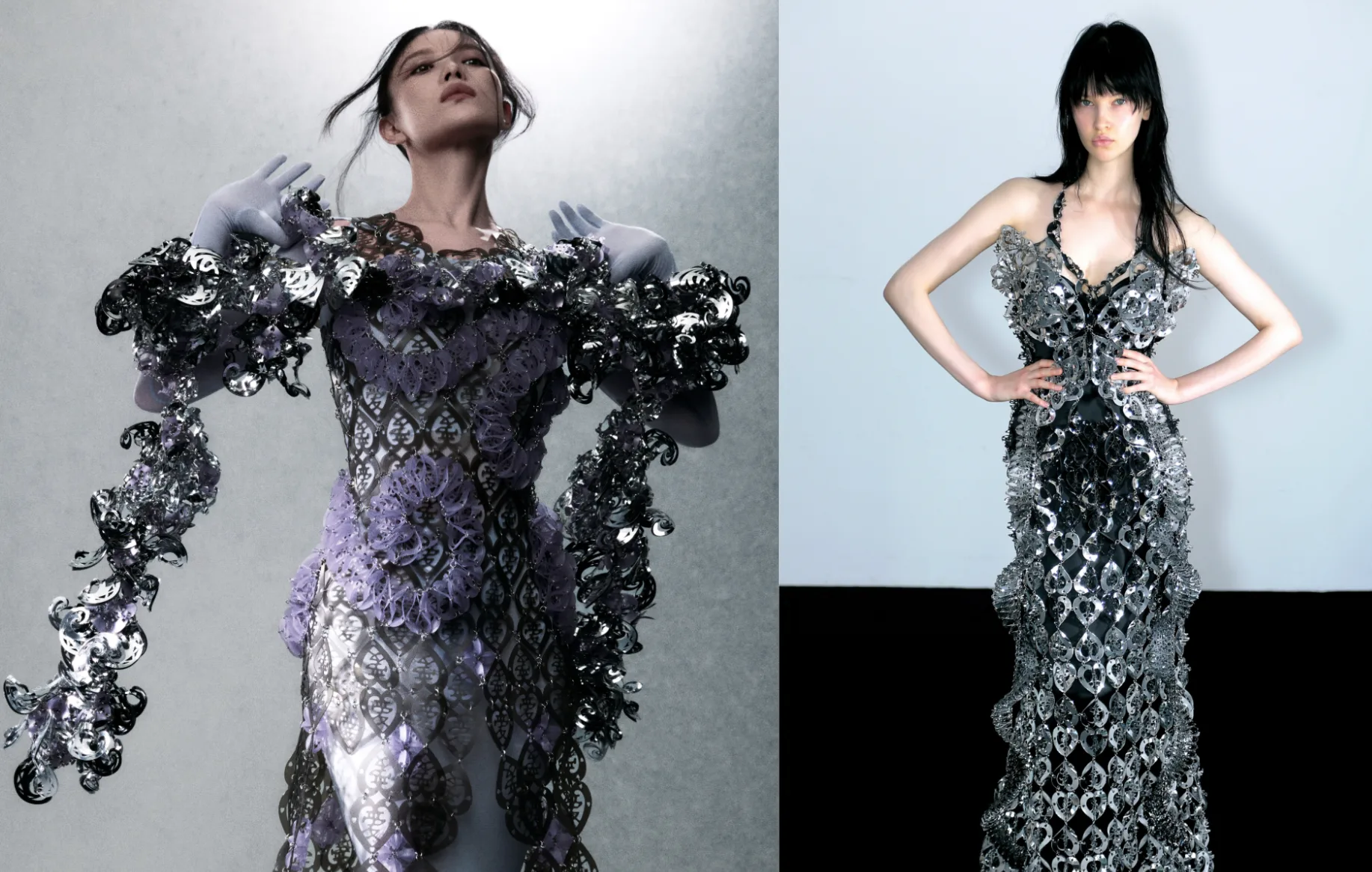
- Retro-futurist editorial: at the high end, Novari fashion tips into sculptural territory. Y2K-influenced metallic fabrics, exaggerated proportions, architectural draping that references Mirathene ocean-couture through a futurist lens. The kind of outfit that stops conversation in a Sanctuary corridor.
- Technical layers: engineered jackets and vests from the performance end of the spectrum. Insulated, weather-sealed, minimalist; the Novari take what the Noeri wear for practicality and wear it for the silhouette.
- Mixed-heritage jewelry: combining ornamental traditions freely. An Arcis-style pin next to a Khelvar geometric pendant next to a Mirathene shell earring. Heritage markers worn without allegiance to any single origin.
The Ethic: The Novari do not see mixing heritage aesthetics as disrespect. They see it as the only honest expression of who they are — not one thing but many things, held together by the person wearing them. The Arcis call it appropriation. The Khelvar call it dilution. The Novari call it Tuesday.
Drifari — The Worn-In
Drifari fashion barely qualifies as fashion by system standards — and that's the most deliberate choice any of them make.
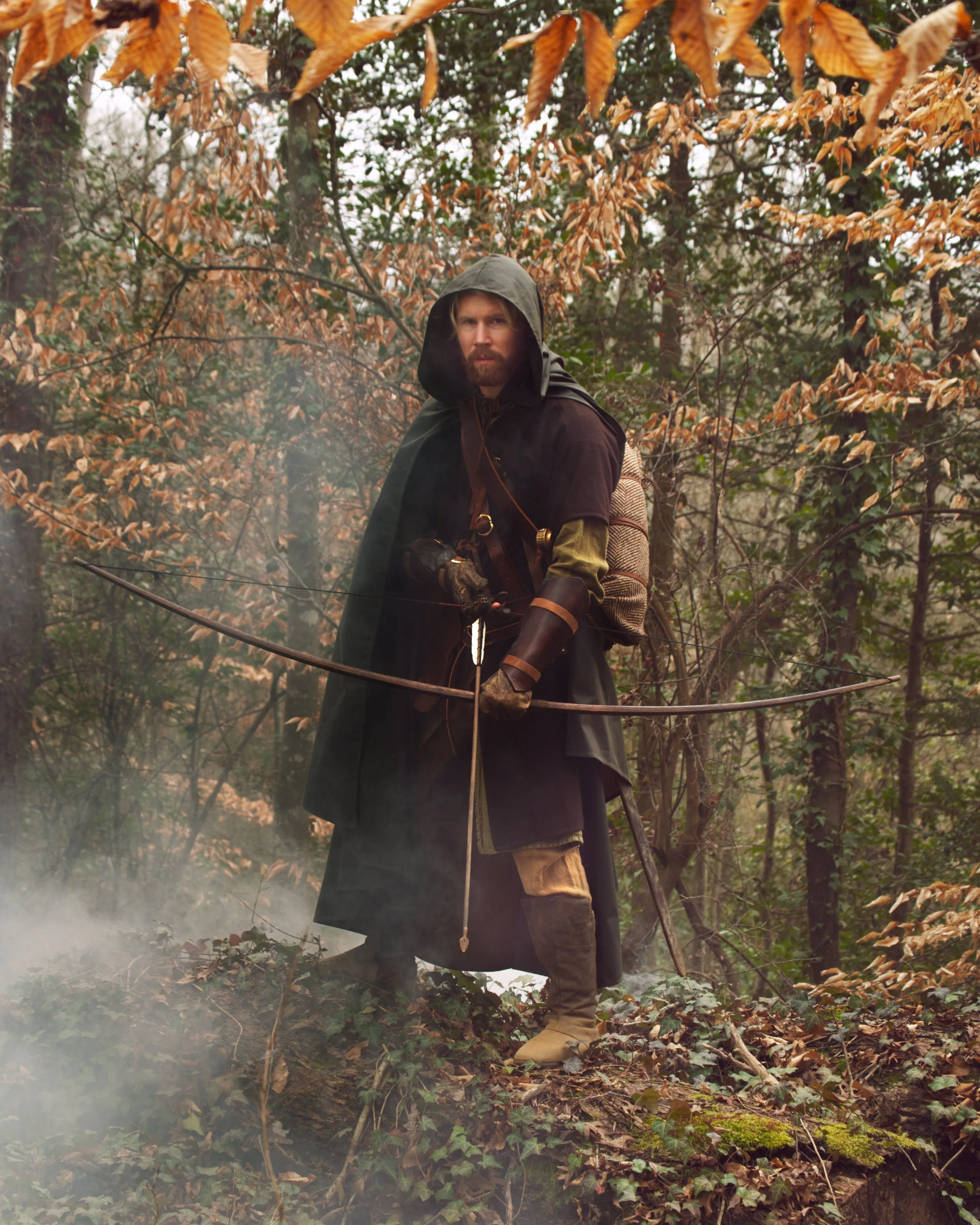
Silhouette: Asymmetric, layered, weathered. A Drifari outfit looks like it was assembled from what the land provided and what survived the last season, because it was. The overall impression is post-collapse frontier: functional, improvised, and worn hard enough that the garment has become part of the wearer's story.
Key Pieces:
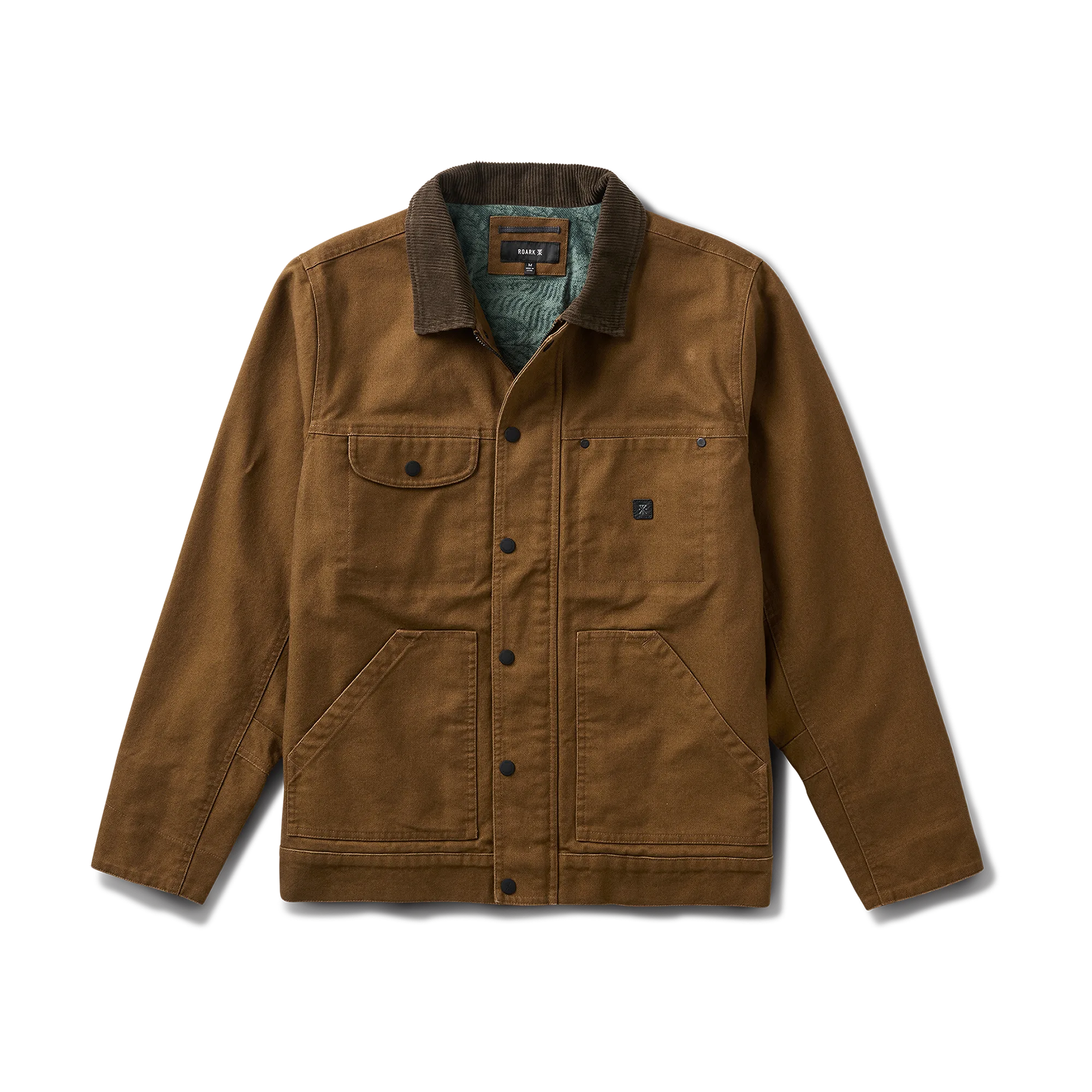
- Waxed canvas jacket: heavy-oiled cotton in otter brown or charcoal, water-repellent and self-patching with use. The Drifari field jacket descends from frontier work coats but has evolved into something rougher and more personal, hand-waxed, hand-repaired, shaped by years of weather until it fits no one else.
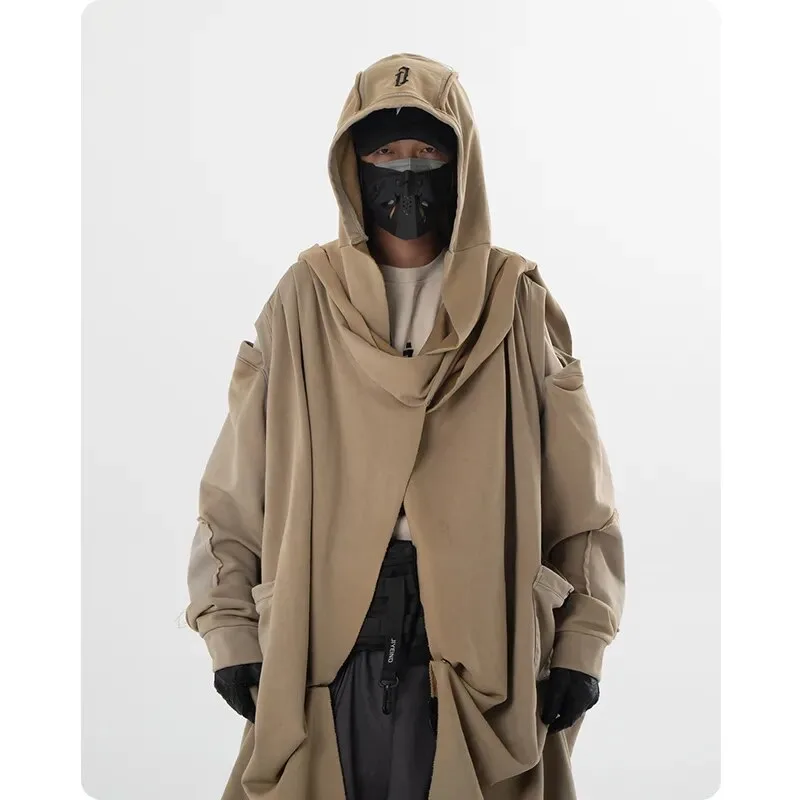
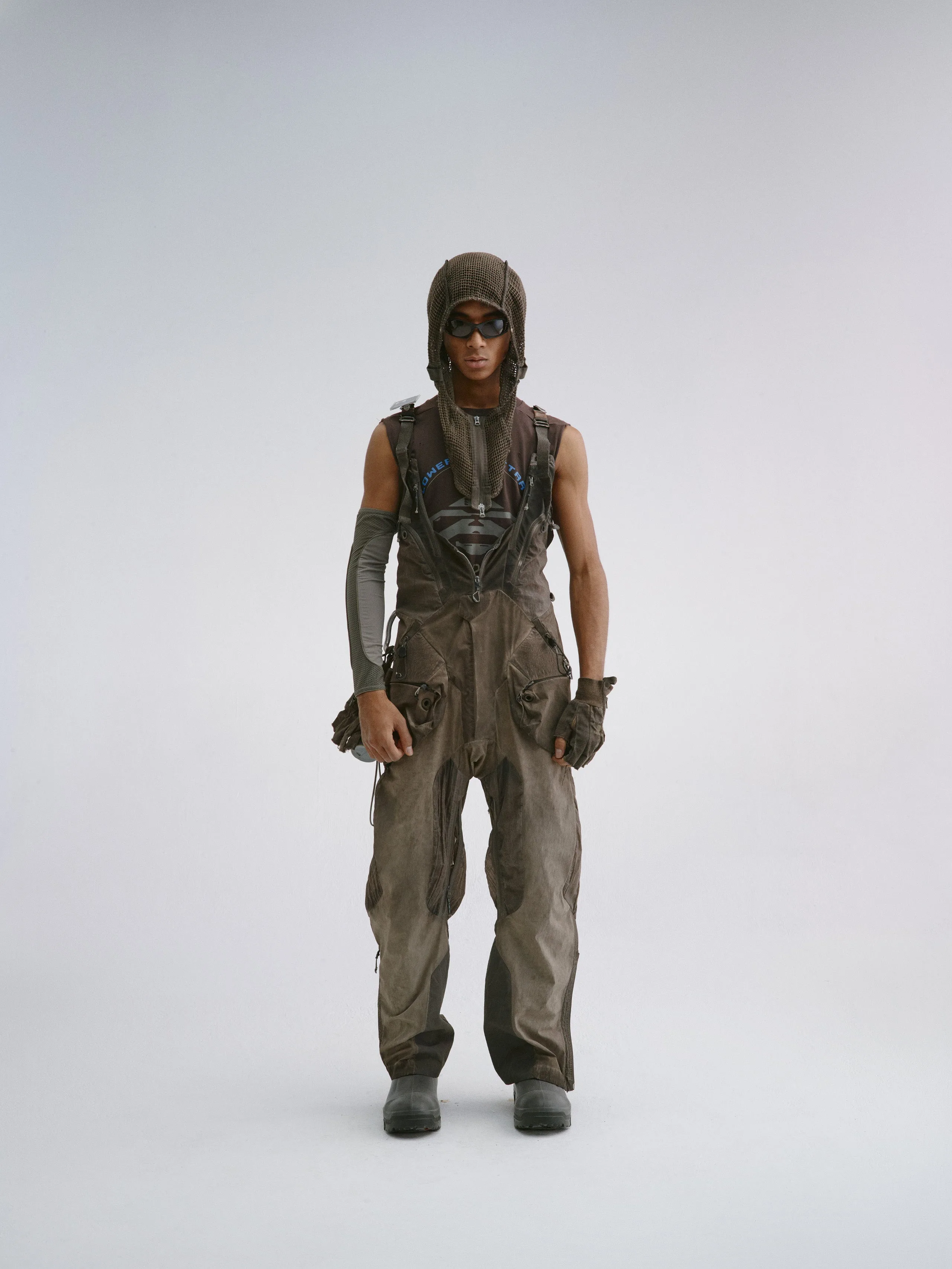
- Wasteland overcoat: long, hooded, built for traversing open wilderness between homesteads. Layered canvas or heavy-weave cotton, often with asymmetric closures and deep cowl hoods. Some are ankle-length cloaks; others are belted trench coats with modular panels that button on or off depending on season. The silhouette reads as wanderer, not soldier.
- Warrior overalls: full-body workwear descended from agricultural coveralls but rebuilt for frontier living. Reinforced shoulders, integrated tool loops, asymmetric closures. The Demobaza-style jumpsuit (structured, sculptural, vaguely martial) has become a Drifari staple because it does everything and needs nothing else underneath.
- Punk-cut shirts: asymmetric, pleated, slim-fit cotton tops with raw hems and unfinished edges. The Drifari did not borrow this from any tradition; they arrived at it independently, because when you cut and resew your own shirts by hand, asymmetry is what happens. The aesthetic reads as deliberate now, but it started as making do.
- Desert layers: lightweight woven shirts and tunics for Verdania's arid stretches. Loose through the body, gathered at wrists and neck to keep out dust and insects. Undyed or sun-faded to the color of the land they were worn across.
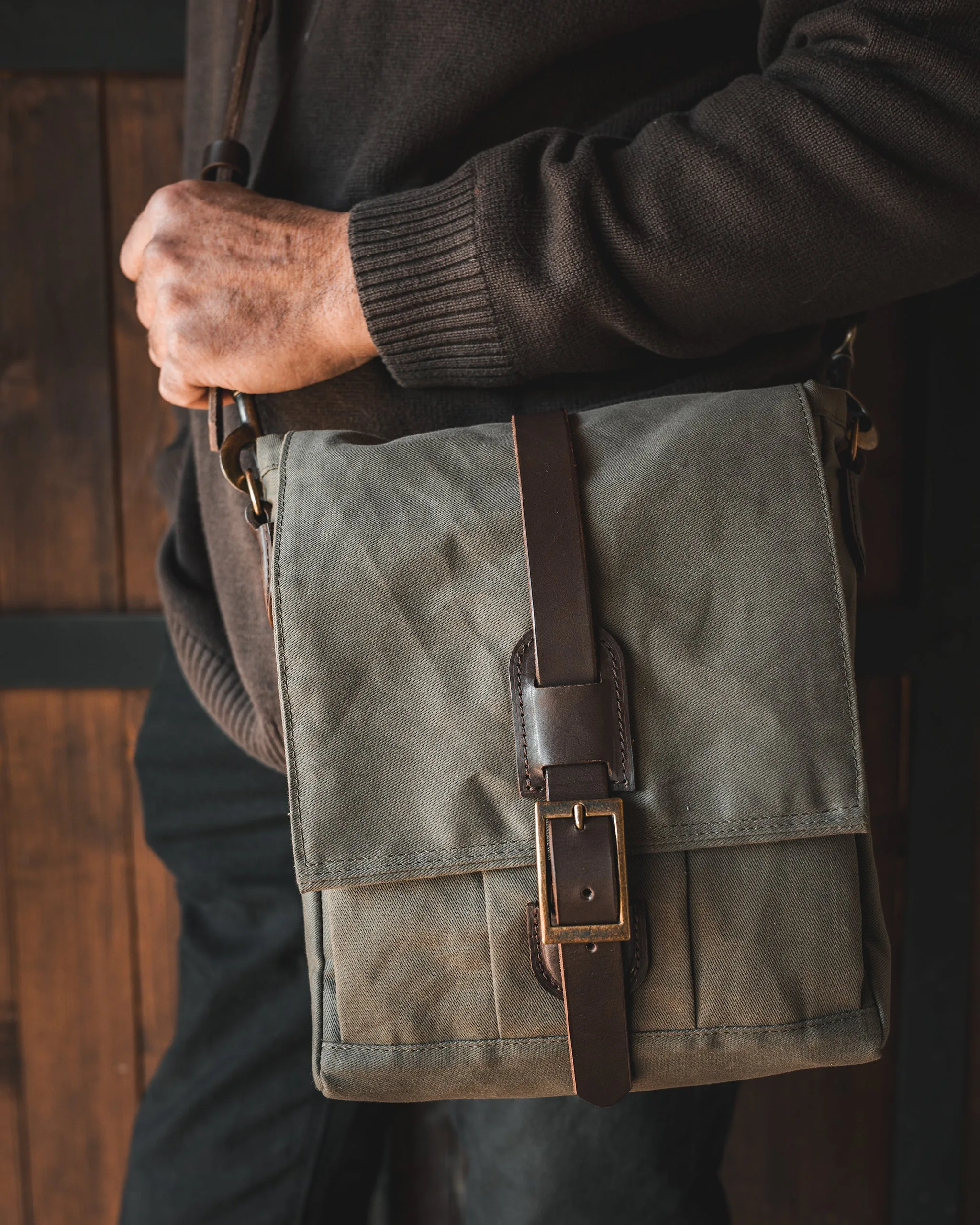
- Canvas satchel: waxed twill, hand-stitched, carried across the body. The Drifari do not use mass-produced bags. The satchel holds everything needed for a day's travel or a month's trade run, and its wear pattern maps the routes its owner walks.
- Safari pack: for longer journeys, a multi-pocket shoulder bag in heavy cotton, modular and over-engineered in the way only someone who has been caught without the right tool in the deep wilderness would design.
- Combat boots: heavy-soled, high-laced, built for rough terrain and long distances. Distressed leather or industrial-grade composites, resoled repeatedly. A Drifari's boots are the last thing they replace and the first thing other Drifari notice.
- Belt knife: worn as naturally as a Dorsans wears rank insignia. Not a weapon. A tool. But always present.
Materials & Color: Waxed canvas, raw cotton, hand-tanned leather, coarse wool. Colors are the colors of use — otter brown, storm gray, sun-bleached tan, the muted olive of oiled cloth. Nothing dyed. Nothing bright. Repairs are visible and valued: patches stitched over worn spots, seams resewn with whatever thread was available. The landscape is colorful enough.